
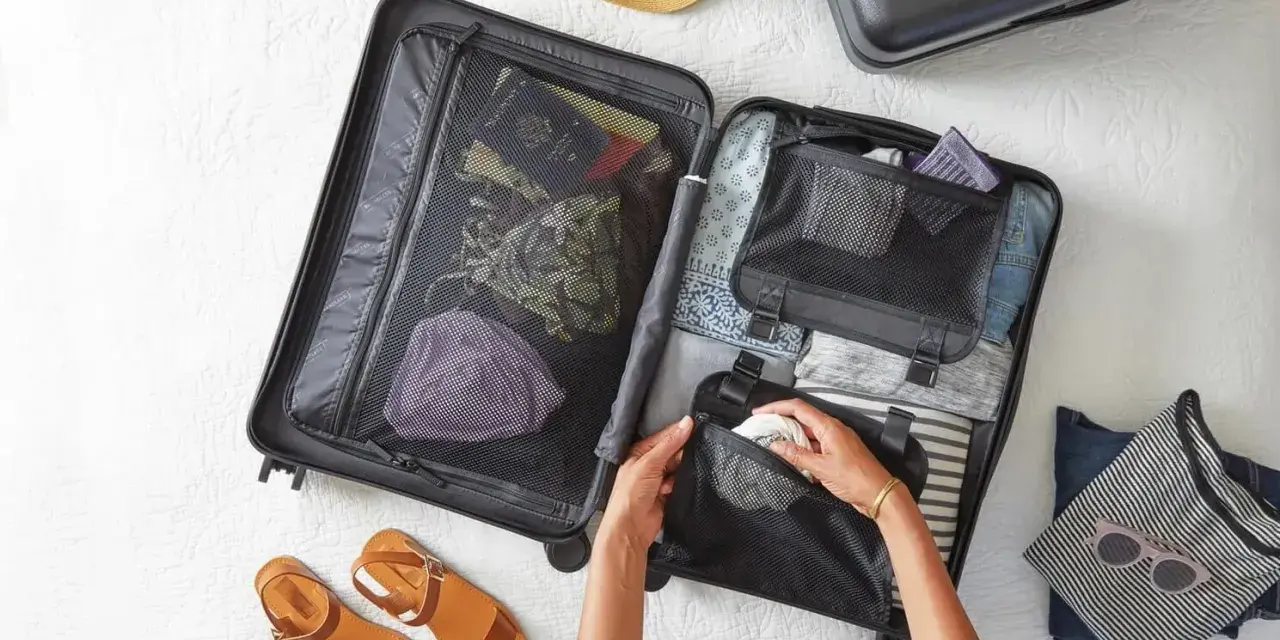
The best camping packing hacks are usually boring in the best way: fewer loose items, better zones, and a kit that matches the weather. I pack for camp as if I am creating a small, mobile home, which means sleep gear, cooking gear, clothes, and wet-weather items each have a fixed place. That simple structure saves space, speeds up setup, and stops the “where did we put the matches?” panic when the light starts fading.
The practical packing rule set I use every time
- Split your kit into sleep, kitchen, clothing, wash, and admin before anything goes into a bag.
- Load a rucksack in zones: light and bulky low, dense weight in the middle, essentials at the top.
- Use boxes, dry bags, and packing cubes to keep categories visible instead of letting gear spread out.
- Keep rainwear, torch, first aid, and spare socks where you can reach them without unpacking half the car.
- Plan simple meals and portion food at home so the cooler and kitchen box do not take over the boot.
Start with a system, not a pile
I start every trip by grouping gear into clear jobs. Sleep, kitchen, clothing, wash kit, and documents each get their own place, because random piles always create duplicates and forgotten items. REI’s campsite organisation advice gets this right: think in rooms, not in random piles.
- Sleep kit with tent, sleeping bags, mats, pillows, and spare layers.
- Kitchen kit with stove, fuel, cookware, utensils, cleaning items, and food.
- Clothing kit with weather layers, nightwear, socks, and a dry set for the drive home.
- Family kit with each person’s toiletries, torches, hats, and any medication.
- Admin kit with booking details, keys, cash, permits, and a paper backup of the route.
This does two things at once: it cuts packing time and makes unpacking almost automatic, because every category already has a home. Once that structure is clear, the next win is loading it in the right order.

Pack by zones so the bag behaves properly
Decathlon’s rucksack advice is useful even if you are not heading deep into the hills: light, bulky items belong low, dense weight sits close to the spine, and the things you need fast stay on top. I use the same logic for car camping, because a boot full of gear still works better when it is packed in layers rather than dumped in loosely.- Bottom zone for sleeping bag, sleepwear, pillow, and other soft items you will not need until camp is ready.
- Middle zone for the tent body, stove, food, cookware, and anything dense or awkwardly shaped.
- Top zone for rain gear, torch, first aid, snacks, and insect repellent.
- Side pockets for water bottle, sunscreen, map, charger, and anything you may need at a stop.
The trick is not just to save space, but to make the load predictable. If the first thing you need is buried under the last thing you packed, the whole system slows down. That is why the container you choose matters almost as much as what goes into it.
Use containers that earn their space
Good containers stop gear from drifting around the car, but the wrong ones can waste more room than they save. I prefer storage that is visible, stackable, and easy to repack when I get home, which is why I treat each type of container differently instead of buying one style for everything.
| Container | Best for | Why it helps | When I skip it |
|---|---|---|---|
| Packing cubes | Clothes, underwear, kids’ outfits | Keep soft items grouped and make it easy to grab one person’s kit | Very bulky layers that need open space |
| Stuff sacks | Sleeping bags, pillows, spare blankets | Compresses awkward shapes and fits into gaps | Anything you need to identify at a glance |
| Dry bags | Wet-weather layers, electronics, swimwear, socks | Protects the things that must stay dry on a rainy UK trip | Regular dry clothing that can live in a simpler pouch |
| Clear crates or camp boxes | Kitchen gear, toiletries, repair items | Visible, stackable, and easy to restock between trips | Small backpacks where rigid sides become a nuisance |
The best rule I know is simple: if a container makes you open it less and find things faster, it earns its place. If it only adds another layer of packing, it is probably dead weight. That matters even more when clothing and bedding are doing some of the work for you.
Make clothing and bedding do double duty
Soft kit should fill dead space, not create it. I roll T-shirts, base layers, and socks because they compress neatly, but I still fold bulkier jumpers and waterproof trousers so they sit flat and do not turn into a lumpy mess. For a weekend trip, I usually pack one day set, one warm layer, one sleep set, and one dry outfit for the drive home, rather than a different outfit for every possible mood change.- Use socks and small items to fill shoes so you are not wasting the inside of boots.
- Keep one dry set separate for the drive home or any emergency change of plan.
- Store sleepwear with the sleep kit so it is not mixed with muddy day clothes.
- Use a fleece or spare jumper as a pillow buffer if space is tight.
- Keep waterproofs accessible instead of buried under pretty much everything else.
That last point matters in the UK more than people like to admit. The weather can stay calm for hours and then change just as you finish pitching, so the next space to protect is the kitchen and food box.
Keep the kitchen compact and the food simple
The camp kitchen is where packing gets out of hand fastest. Once you add a stove, fuel, lighter, pan, pot, utensils, mug, bowl, chopping board, and cleaning kit, the space disappears quickly. I keep the food plan simple on purpose: easy breakfasts, one-pan dinners, and snacks that do not need a full pantry to support them.
- Pre-portion dry food at home so you are not carrying half a supermarket in loose packets.
- Chop or prep ingredients before departure when the meal can handle it.
- Choose recipes that share ingredients across two or three meals.
- Pack a single washing kit with sponge, small bottle of soap, tea towel, and bin bags.
- Keep coffee, tea, and breakfast items together so the first morning is easy rather than chaotic.
Prepare for rain, mud, and the drive home
Most packing mistakes show up at the end of the trip, not the beginning. Wet shoes, muddy trousers, damp tents, and half-empty snack bags need somewhere to live on the way back, so I leave room for the return journey from the start. I also keep rainwear, torch, first aid, and spare socks within easy reach because those are the things I least want to dig for in bad weather.
- Separate wet and dry gear with a dedicated bag or liner.
- Carry extra bin bags or reusable sacks for muddy clothes and rubbish.
- Keep footwear isolated so dirt does not migrate into sleeping gear.
- Leave the torch and first aid kit accessible for late arrivals or quick campsite changes.
- Pack a small cleaning set with wipes, towel, and basic wash items.
This is where a lot of packing hacks fall apart: they assume the trip ends neatly. It usually does not. A system that still works when everything is damp and tired is the one worth keeping, which brings me to the mistakes that waste the most room.
Watch for the space leaks that ruin a good pack
The biggest waste usually comes from a handful of habits that feel harmless in the moment. I see them most often in family trips and weekend escapes, because people try to protect themselves against every possible scenario and end up packing for a fantasy version of the weather.
- Packing by item type instead of use, which scatters related gear across multiple bags.
- Taking duplicates of knives, chargers, torches, and cook tools without checking what is already in the camp box.
- Burying essentials under blankets, spare shoes, or decorative extras that nobody will miss.
- Overstuffing one bag while leaving another half empty.
- Ignoring the return trip and forgetting that wet or dirty gear needs space on the way back.
My rule is simple: if I cannot find the torch, waterproofs, or first aid kit in a few seconds, the pack is not finished yet. The final step is to keep a small kit ready so the next trip starts from a better place.
The camp box I keep ready for the next trip
What I leave behind between trips matters just as much as what I pack on departure day. I keep one reusable camp box topped up with the items that always disappear first: matches, lighter, spare batteries, tape, pegs, cable ties, wipes, a tea towel, and a few zip bags. That box turns a future trip into a reset instead of a full rebuild.
If I am planning a family outing, I also keep a small grab bag with a torch, snacks, tissues, and a spare layer for each child, because those are the things I end up reaching for first. This is the practical end of camping gear packing: not perfection, just a repeatable setup that stays useful when the weather changes, the boot is full, and everyone wants to leave on time. When the kit is organised this way, the next trip starts easier, packs faster, and feels calmer from the first mile.
