
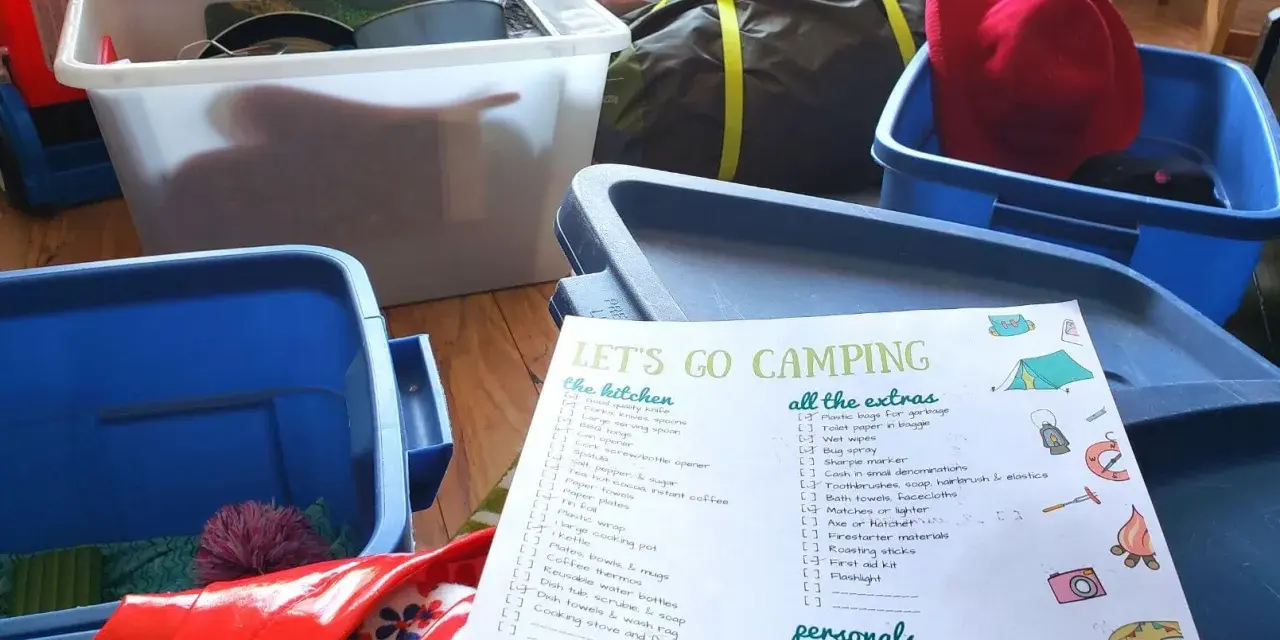
The essentials at a glance
- Start with the type of trip, because a family campsite, a car camping break, and a pre-pitched stay all need slightly different kit.
- Pack shelter and sleep gear first: tent, pegs, groundsheet, sleeping bag, mat, and pillow.
- In the UK, waterproof layers, spare socks, and reliable lighting are not optional extras for long.
- Build the camp kitchen around the meals you will actually cook, then add water, cleaning items, and rubbish bags.
- For children, add a basic first aid kit, snacks, chargers, games, and a torch or headlamp.
- Do one last layout check before you leave so the tent, fuel, and documents are easy to reach.
Match the list to the kind of camping you are doing
I never treat packing as a single fixed formula. A weekend in a family campsite near the coast, a stop in a serviced pitch with hook-up, and a more stripped-back wild stay all demand a different balance between comfort and portability. That is why I start with the trip style before I touch the gear pile.
| Trip type | What to prioritise | What to keep lean |
|---|---|---|
| Family campsite | Warm bedding, spare layers, camp chairs, food storage, games, and easy lighting | Specialist gear you will not use daily |
| Car camping | Cool box, table, storage boxes, extra blanket, and a few comfort items | Ultra-light packing rules |
| Pre-pitched or glamping | Food, clothes, toiletries, torch, chargers, and a small kitchen kit | Tent poles, pegs, and most setup hardware |
| Wild camping | Compact shelter, water, navigation, layers, and low-noise essentials | Bulky extras that are hard to carry |
For UK trips, I also check what the site provides before I pack. Some places are basic, while others are much more serviced or pre-pitched, and National Trust camping and glamping options in England, Wales and Northern Ireland are a good reminder that not every stay looks the same. Once that is clear, it becomes much easier to decide what belongs in the shelter and sleep setup.

Build the shelter and sleep setup first
If the tent, bedding, and ground protection are right, the rest of the trip feels easier. I usually think in layers: the outer shell, the sleeping system, and the small fixes that stop a wet or windy night from becoming miserable.
- Tent sized for one person more than you think you need, because kit takes up space fast.
- Pegs, guy lines, and a mallet, plus a few spares for softer ground or rough weather.
- Groundsheet or footprint to reduce damp and protect the base of the tent.
- Sleeping bag matched to the season. For most UK trips, a three-season bag is the safer default.
- Sleeping mat, air bed, or camp bed for insulation and comfort.
- Pillow, even if it is inflatable, because sleep quality changes more than people expect.
- Repair kit and pump if you use inflatable bedding.
I also keep a torch or headlamp in this group, not in the kitchen box, because I want light close to the tent door the moment I arrive. When the shelter side is sorted, meal planning is the next thing that saves the most hassle.
Pack the camp kitchen to match your menu
The quickest way to overpack is to bring kitchen gear without knowing what you are actually cooking. I prefer a short menu with one proper hot meal, one easy breakfast, and snacks that do not need much preparation. That keeps the kit sensible and the washing-up manageable.
- Stove and the correct fuel for that model.
- Lighter or matches, kept dry in a small bag.
- Pots, pan, kettle, and utensils suited to the number of people travelling.
- Plates, bowls, mugs, and cutlery for everyone on site.
- Cool box or food container with ice packs if you are carrying perishables.
- Water carrier, especially if taps are not right next to your pitch.
- Washing-up bowl, sponge, tea towel, soap, and bin bags.
- Chopping board and knife, which are easy to forget until dinner time.
What I often see missing is the wash kit, not the fancy cooking gear. A collapsible bowl and a few rubbish bags do not look exciting in a shop, but they make a campsite feel orderly very quickly. Before I pack charcoal or a fire pit, I also check whether the site allows campfires or barbecues, because that one decision can save a lot of unnecessary weight. With the kitchen sorted, the next risk is the weather, which is where many beginners get caught out.
Prepare for UK weather, mud, and early darkness
British weather rewards the camper who plans for rain even when the forecast looks decent. I pack layers first, then add wet-weather items, because being cold and damp is what turns a short break into hard work.
- Waterproof jacket and, if the trip is longer than a day or two, waterproof trousers.
- Warm mid-layer such as a fleece or hoodie.
- At least one extra pair of socks per person, plus dry sleepwear.
- Walking shoes or boots, and wellies if the ground is likely to be soft.
- Hat, sunglasses, and sunscreen for clearer days.
- Insect repellent, especially near water or in warmer months.
- Quick-dry towel, toiletries, toilet paper, and hand sanitiser.
- First aid kit, spare batteries, power bank, and charger cables.
For families, I think a headlamp is better than a handheld torch because it leaves both hands free at the loo block, in the tent, or while sorting bags after dark. The Camping and Caravanning Club makes the same basic point for children’s trips: a simple safety kit, sun protection, light, and a few comfort items go a long way. Once the weather layer is covered, it is worth adjusting the list for the people, pets, and length of stay.
Adjust the list for families, pets, and longer stays
Camping gets more manageable when the checklist reflects who is coming and how long you are staying. A two-night break for adults is not the same as a five-night family trip with younger children, and I would rather pack one or two useful extras than explain to a tired child why the charger, snack box, or favourite book stayed at home.
| Situation | Add these items | Why they help |
|---|---|---|
| Young children | Snacks, spare clothes, wipes, a favourite comfort item, books, cards, and simple games | They bridge the gap between meals, weather changes, and bedtime |
| Camping with a dog | Lead, bowls, towel, bedding, waste bags, and any medication | They keep the pitch tidy and make daily routines easier |
| Longer stays | Extra fuel, laundry bag, drying line, more food, and a second torch | They reduce the number of last-minute supply runs |
| Beach or coast trips | Shade, sand toys, quick-dry towels, and a bag for wet kit | Salt and sand get everywhere if you do not plan for them |
On family trips, I also like to separate food into three groups: breakfast, easy lunch, and one evening meal that can be cooked fast if everyone arrives hungry. That saves a surprising amount of mental energy on day one, which brings me to the part most people rush and then regret.
The last check I run before leaving
I lay everything out in piles before it goes into the car. That sounds simple, but it catches the mistakes that matter most: missing pegs, an empty gas canister, the wrong charger, or a sleeping mat that never got packed. I also keep the first-night bag separate, so I do not have to dig through everything to find a torch, a jumper, and the kettle.
- Pitched kit: tent, poles, guylines, pegs, and mallet.
- Sleep kit: bags, mats, pillow, and an extra blanket if the forecast is cool.
- Kitchen kit: stove, fuel, lighter, food, and wash-up items.
- Safety kit: first aid, torch, batteries, power bank, and sunscreen.
- Admin: booking details, directions, campsite rules, payment card, and any ID you may need.
When that is done, I can decide about the extras with a clearer head, because the core trip is already covered.
The extras that make a damp pitch feel more liveable
This is the part of camping gear that feels optional until the weather turns. I do not take every comfort item on every trip, but a few of them earn their place quickly, especially on exposed UK pitches where wind and drizzle can make an ordinary setup feel a lot less pleasant.
- Tent footprint or tarp for better ground protection.
- Windbreak if you want a calmer cooking or sitting area.
- Camp chairs and a small table to make meals and evenings easier.
- Rug or doormat for muddy boots and tent comfort.
- Lantern for softer light inside the tent or under an awning.
- Hot water bottle for chilly nights in spring or autumn.
- Dry bag for electronics and documents.
If an item helps me sleep, cook, stay dry, or pack away faster, it earns space. Everything else is optional. That is the simplest rule I know for keeping a camping kit practical, light enough to carry, and calm enough to use when the campsite is busy or the weather is not cooperating.
