
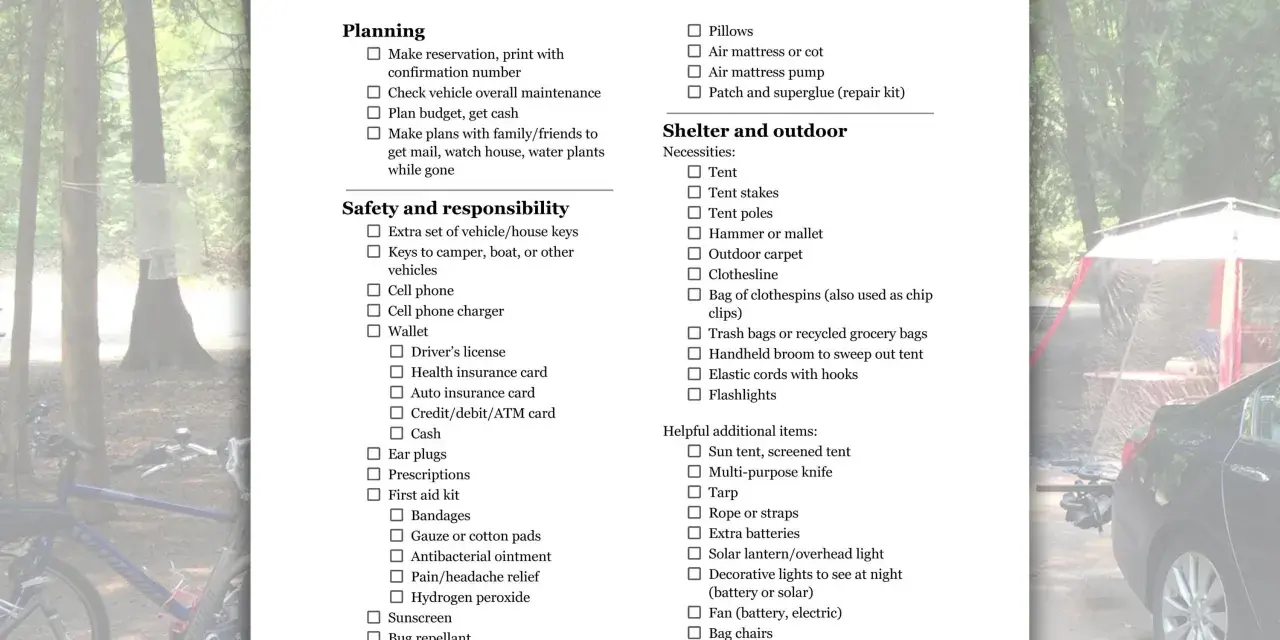
The essentials at a glance
- Start with sleep and shelter before you buy gadgets or comfort extras.
- Pack for drizzle and cold nights, even if the daytime forecast looks friendly.
- Keep meals simple with one stove, basic cookware, and food that is easy to prep.
- Bring light, safety items, and spare power so arrival and bedtime stay calm.
- Add family extras only where they help, such as spare clothes, snacks, and a comfort item for children.
If you are buying gear from scratch, start here
I always tell beginners to buy in layers, not all at once. The trick is to spend first on the items that protect your sleep and keep the trip functional, then add the nice-to-haves later when you know how you like to camp.
| Priority | Buy or pack | Why it comes first |
|---|---|---|
| 1 | Tent, pegs, mallet, and groundsheet or footprint | Creates the dry space where everything else happens |
| 2 | Sleeping bag, sleeping mat, and pillow | Controls warmth and how well you recover overnight |
| 3 | Waterproof jacket, spare socks, and a warm layer | UK weather can change quickly, even on a short break |
| 4 | Headtorch, spare batteries, or a power bank | Makes setup, cooking, and toilet runs easier after dark |
| 5 | Stove, fuel, lighter, and basic cookware | Lets you make hot drinks and simple meals without stress |
| 6 | First aid kit, toiletries, and rubbish bags | Keeps the campsite cleaner, safer, and easier to leave tidy |
If your budget is tight, this order keeps the essentials in the right place. I would rather see someone camp with a solid sleeping setup and one reliable stove than carry three comfort items they never use. That leads straight into the gear that has the biggest impact on whether the night feels easy or miserable.

Shelter and sleep gear that actually matters
This is the part of the kit that earns its keep. If you get shelter and sleep right, the rest of the trip becomes much more forgiving. If you get them wrong, every other problem feels bigger than it is.
- Tent - choose something simple to pitch, with enough room for everyone plus bags. A two-person tent for two people is usually too tight for first-time comfort, so I prefer a little extra space if the car can carry it.
- Footprint or groundsheet - this is a shaped ground layer that sits under the tent and protects the base from abrasion and wet ground. It is not glamorous, but it helps the tent last longer and keeps things drier.
- Pegs and mallet - pack a few spare pegs, because bent or missing pegs are a common first-trip annoyance. A small mallet makes pitching much easier than trying to push pegs in by hand.
- Sleeping bag - ignore marketing labels like "summer" or "all-season" if they are vague. I look at the bag's comfort rating, which is the temperature at which an average sleeper should still feel comfortable, then choose a margin for cooler UK nights.
- Sleeping mat or air bed - insulation matters as much as softness. A mat stops cold from coming up through the ground, which is especially useful on a damp pitch.
- Pillow or packed clothes sack - a proper pillow is a small luxury that changes sleep quality more than most beginners expect.
For a first weekend, I would rather keep the sleep system modest but dependable than chase the most expensive tent on the market. Once the place where you sleep feels solid, you can start thinking about clothing and weather protection with a clear head.
Clothing that keeps you comfortable when the weather turns
British camping is rarely about extreme cold. It is usually about being slightly damp, slightly chilly, or both at once. The best clothing list is not long; it is just honest about the weather.
- Waterproof jacket - this is non-negotiable for me. A lightweight shell is enough for most short trips, as long as it actually keeps rain out.
- Warm mid-layer - a fleece or similar insulating layer is more useful than another hoodie, because it traps heat without becoming heavy when damp.
- Waterproof trousers - not always essential on a sunny forecast, but very worthwhile if the campsite is exposed or the ground is already wet.
- Dry spare clothes - keep one full dry outfit in a separate bag. That one decision can rescue a wet evening.
- Extra socks - I always pack more socks than I think I need. Cold feet are a small problem that ruins big parts of the day.
- Sleepwear - something dry and comfortable for the tent, separate from daytime clothes.
- Footwear - walking shoes or trainers for daytime, plus something easy to slip on at the campsite if the ground is dry.
- Hat and sun protection - even in the UK, a bright afternoon can catch people out faster than they expect.
If you are camping with children, I would add one extra spare outfit per child and keep it within reach. The rule is simple: if the weather shifts, the ability to change fast matters more than having a perfect outfit. From there, the next job is to keep meals easy enough that cooking never becomes the hardest part of the trip.
A simple camp kitchen for the first weekend away
First-time campers often overcomplicate food. I think that is a mistake. The best first camp kitchen is the one that lets you make one hot drink, one straightforward meal, and a decent breakfast without a lot of fiddling around.- Stove and fuel - bring one reliable stove, one fuel canister, and a backup lighter. A single setup is easier to control than a complicated cooking system.
- Pan or pot - one medium pot is enough for pasta, soup, noodles, or hot water for drinks.
- Utensils - pack a spoon or spatula, a knife, and a can opener if your food needs one.
- Plates, bowls, and mugs - keep these simple and sturdy. Fewer fragile items means less washing and less breakage.
- Cutting board - a small board makes prep cleaner and safer.
- Water container - even on a campsite with taps, I like to have enough water on hand that I do not need to keep walking back and forth.
- Washing-up kit - washing-up bowl, sponge, small towel, and a little soap. If the campsite has a sink area, you will still want your own basics.
- Cool bag or cooler - useful if you are bringing dairy, meat, or food that should stay chilled.
- Food plan - for a two-night trip, I usually plan 2 breakfasts, 2 lunches, 2 dinners, and 4 to 6 snack portions per person, then choose meals that work in one pan.
One-pan meals, pasta, wraps, porridge, soup, and simple barbecue food are all good beginner options because they keep the cooking rhythm calm. Once food is under control, the remaining items are mostly about safety, visibility, and not forgetting the small things that become irritating when they are missing.
Safety, light, and campsite basics people forget
The items people forget are often the ones they notice first. You do not need a huge rescue kit for a short campsite stay, but you do need enough to handle darkness, minor mishaps, and basic hygiene without improvising.
- Headtorch - I prefer a headtorch over a hand torch because it leaves both hands free for cooking, unpacking, or pitching the tent.
- Spare batteries or a charged power bank - the most useful backup is the one you already charged before leaving home.
- First aid kit - include plasters, antiseptic wipes, blister pads, pain relief, and any personal medication.
- Phone charger and offline directions - do not rely on signal alone. Save the campsite booking details and route before you set off.
- Toilet paper and hand sanitiser - even campsites with good facilities can run short at the wrong moment.
- Rubbish bags - bring one for general waste and one spare for wet or muddy items.
- Small towel and basic toiletries - toothbrush, toothpaste, soap, and a washcloth are enough for a short break.
- Dry pouch or zip bag - keep keys, wallet, and booking confirmation together so they do not disappear into the bottom of a bag.
This is also where Leave No Trace thinking matters. It simply means packing out your waste, respecting the pitch, and leaving the campsite as tidy as you found it. Once those basics are covered, the real question becomes what you can comfortably skip.
What I would leave out on the first trip
Beginners often overpack because they are trying to protect against every possible inconvenience. The problem is that extra gear usually creates more work, more clutter, and more packing stress than it solves.
| Skip for now | Why it can wait | Better first-trip alternative |
|---|---|---|
| Large kitchen sets | They take space and create more washing up | One pot, one pan, and one simple meal plan |
| Too many outfits | You will not wear most of them | One spare set, one dry sleep set, and extra socks |
| Decorative camping gadgets | They drain batteries and add clutter | Headtorch, power bank, and basic lighting first |
| Specialty coffee gear | Nice to have, not essential | A mug and a simple brew setup |
| Several comfort items | Easy to overdo before you know what you miss | One pillow, one chair if needed, and stop there |
I am not against comfort. I just think comfort should be earned by experience, not bought in a panic. The cleaner the first trip, the easier it is to understand what actually improves it next time. That is why I keep one small bag separate from the rest of the kit.
Keep one easy-access bag for the first evening
This is the simplest trick I know for making arrival feel calm. I pack one small bag with everything I will want in the first 2 hours, then keep it on top so I do not need to open every box and rucksack in the dark.
- Water bottle and a quick snack
- Headtorch and spare batteries
- Warm layer and dry socks
- Toiletries for the first night and next morning
- Phone charger and power bank
- Booking details, keys, and any campsite instructions
- Pyjamas or sleepwear
- Toilet paper and hand sanitiser
That one bag can remove most of the friction from the first evening, especially for family trips where everyone wants something different at the same time. If you keep the setup simple, start with the right priorities, and leave a few unnecessary extras at home, the whole weekend feels easier from the moment you arrive.
