
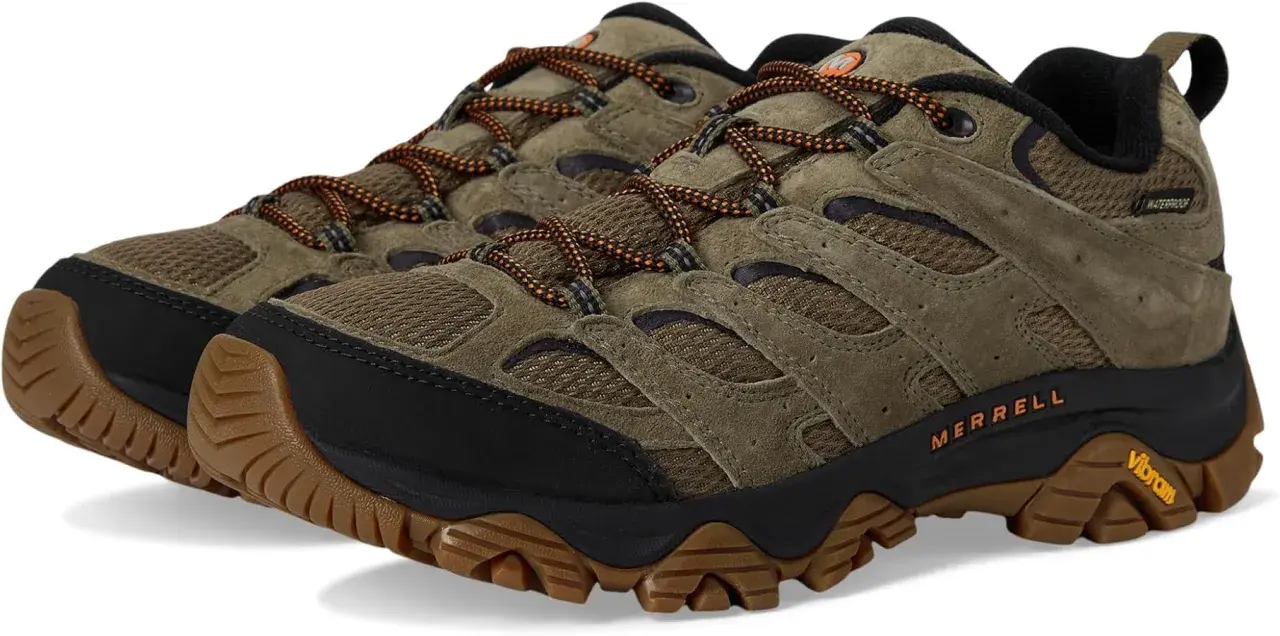
The quick answer for walkers and campers
- Not every Moab 3 is waterproof. The standard version is not, while the Waterproof and GORE-TEX models are.
- Merrell’s waterproof builds use a membrane. That membrane is meant to keep water out while still letting moisture escape.
- For UK conditions, the waterproof versions make more sense if you deal with rain, damp grass, mud, or campsite puddles.
- Waterproof does not mean submersible. Deep water, long soaking, or water coming in over the collar can still defeat the shoe.
- Standard Moab 3 models breathe better. If you mostly walk in dry, warm conditions, they can feel lighter and cooler.
The short answer is version specific
The standard Moab 3 is not waterproof. The Moab 3 Waterproof and Moab 3 GORE-TEX are the versions built to handle wet weather, and Merrell describes them with waterproof membranes that seal out water while still allowing moisture to escape. That is the detail most buyers care about, because it separates a genuinely weather-ready shoe from a trail shoe that only handles light spray.
In practical terms, I would treat the waterproof Moab 3 as a proper wet-weather option for hiking and walking, not just a shoe with a bit of extra protection. The non-waterproof model is the better choice when airflow matters more than rain resistance. Once you understand that split, the next step is to look at what waterproof actually means on the trail.
What waterproof means on the trail, not just on the box
On paper, waterproof sounds absolute. On the ground, it is more conditional. Merrell’s waterproof footwear is engineered to prevent water from entering under normal use conditions, which is the right way to think about it. It is built for rain, wet grass, muddy footpaths, and the kind of damp campsite morning that soaks through ordinary shoes before breakfast.
- Good use case: walking across wet fields, commuting in drizzle, or spending a weekend on muddy campsite paths.
- Less suitable use case: standing in water, wading through streams, or stepping into deep puddles that rise above the collar.
- Common misunderstanding: waterproof does not mean water can never get in. If water enters from the top, the membrane cannot save the shoe.
- Practical trade-off: waterproof models usually feel a little less airy than the standard shoe, especially on warmer days or on long uphill walks.
That is why I like waterproof hiking shoes for the UK shoulder seasons, where the problem is usually wet ground rather than heavy alpine snow. The next question is which Moab 3 version gives you the best balance of dryness, comfort, and trail feel.

How the Moab 3 versions compare in practice
When I compare the Moab 3 family, I start with use case instead of branding. The right choice depends on how much weather protection you need, how warm your feet run, and whether you want a low shoe or a mid-height boot.
| Version | Water protection | Best for | Main trade-off |
|---|---|---|---|
| Moab 3 | No waterproof membrane | Dry trails, warmer weather, maximum airflow | Wet grass and rain get through much faster |
| Moab 3 Waterproof | Waterproof membrane | UK walks, muddy paths, campsite use, mixed weather | Slightly less breathable than the standard shoe |
| Moab 3 GORE-TEX | GORE-TEX waterproof membrane | Longer wet days, stronger weather protection, all-round hiking | Usually the priciest waterproof option |
| Moab 3 Mid Waterproof | Waterproof membrane with higher ankle coverage | Long grass, splashes, rougher ground, more debris protection | Heavier and a little less flexible than the low-cut shoe |
If I were choosing for a family camping trip in Britain, I would usually start with the waterproof low-cut shoe or the mid-height boot, depending on how muddy the ground is. The mid-height version matters more than many people expect, and that is worth separating out on its own.
Why the mid-height version matters on muddy ground
The mid-height Moab 3 Waterproof is not just a taller styling variant. It gives you extra coverage around the ankle, which helps when you are walking through wet grass, loose gravel, or splashy trail sections. On campsite paths, that extra height can make the difference between a dry top of the shoe and a shoe that starts taking on water from the opening.
- Choose mid-height if you often walk on boggy tracks, in long wet grass, or over rough ground where debris gets kicked up.
- Choose low-cut if you want easier movement, lighter feel, and simpler all-day wear on normal paths.
- Do not overestimate the collar height. If water rises above it, the boot can still flood from the top.
For many UK walkers, the mid-height option is the safer buy because it handles the messy reality of damp trails better. Once you have the right version, the next job is keeping the waterproofing working as intended.
How to keep the waterproofing working longer
The membrane inside a waterproof shoe does the heavy lifting, but the way you care for the boot still matters. Mud, salt, and poor drying habits can make a good waterproof shoe perform like a tired one, so I keep the maintenance routine simple and consistent.
- Brush off mud after wet walks before it dries into the fabric and seams.
- Let the shoes air-dry naturally instead of putting them near a radiator or other direct heat source.
- Remove the insoles and loosen the laces so air can move through the shoe properly.
- Store them in a ventilated place, not in a sealed bag or damp boot room corner.
- Check the upper and seams regularly if you use the shoes hard on rough ground.
That kind of care will not turn a hiking shoe into a drysuit, but it will keep the membrane and upper working as they should. From there, the buying decision becomes much clearer: choose for the weather you really walk in, not the weather you hope to avoid.
The version I would choose for British walking and camping
If I were buying one pair for UK conditions, I would start with the Moab 3 Waterproof or the Mid Waterproof. That is the most practical choice for wet grass, drizzle, muddy car parks, family campsite walks, and unpredictable days when the forecast changes after lunch. It is the version that gives you the widest margin for real outdoor use without pushing you into a heavy, boot-like feel.
I would only choose the standard Moab 3 if I expected mostly dry conditions and wanted the most breathable, least restrictive feel. If I wanted the strongest waterproof package in the range, I would look at the GORE-TEX model, which Merrell positions as the waterproof option with strong breathability as well. In the end, the best Moab 3 is not the one with the biggest label, but the one that matches your terrain, your pace, and the amount of wet ground you actually cover.
For most walkers, campers, and family-day-out trips in the UK, the waterproof Moab 3 is the safer all-round pick. If your routes stay dry and ventilation matters more, the standard shoe is still a sensible option. The key is to choose the version that fits your real weather, because that is what decides whether your feet finish the day dry and comfortable or cold and damp.
