
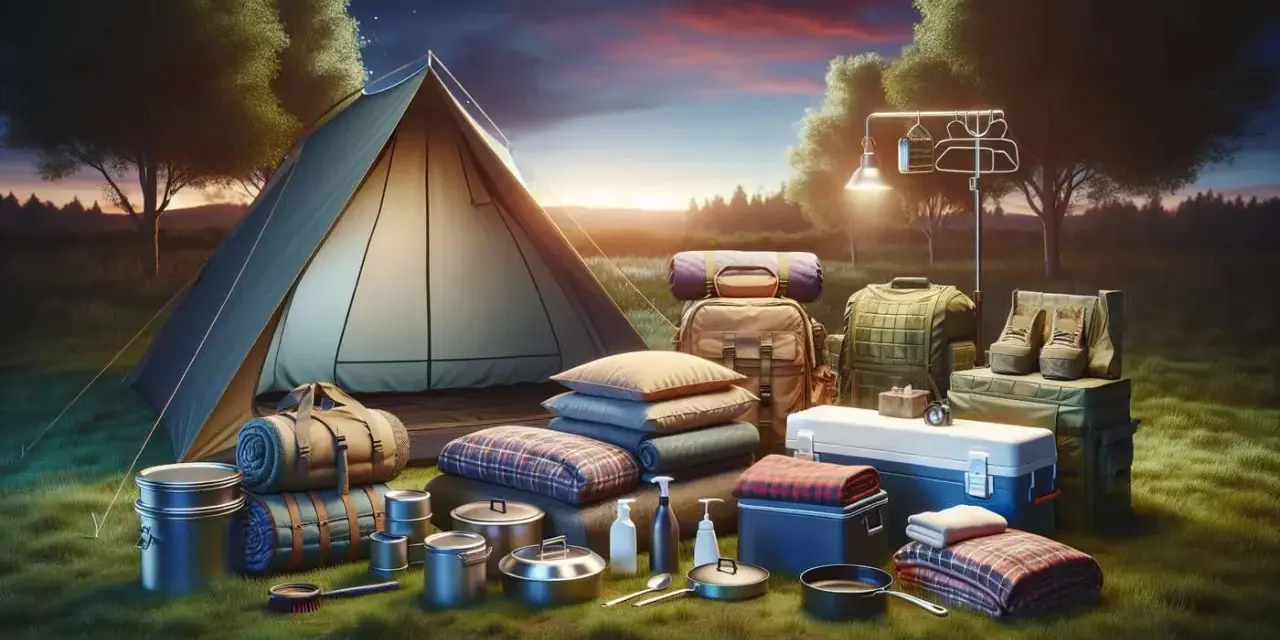
A good camping trip rarely comes down to one clever gadget. It comes down to packing a few reliable essentials in the right order: shelter, sleep, food, warmth, light, and the small backups that keep bad weather from becoming a bad weekend. If you're wondering what to bring on a camping trip, this guide gives you a practical checklist for UK conditions, plus the trade-offs I actually pay attention to when I pack for family trips and short breaks.
Pack the essentials first, then add comfort where it counts
- Start with shelter and sleep: tent, footprint, pegs, sleeping bag and sleeping mat matter more than almost anything else.
- Plan for changeable weather: waterproof layers, spare socks and dry storage are not optional in the UK.
- Keep meals simple: a stove, fuel, water, a few utensils and an easy food plan are enough for most weekends.
- Do not skip safety basics: headlamp, first aid kit, map or offline navigation, phone power and cash or card.
- Pack by trip style: family camping, car camping and lightweight overnights all need slightly different gear.
- Leave room for the annoying small things: rubbish bags, toilet roll, hand sanitiser, chargers and repair tape earn their place fast.
The core kit that makes a campsite work
I start with the pieces that make the night possible, not just pleasant. If those are missing, everything else feels harder than it should, so I build the list around the basics that protect you from wet ground, fading light and cold mornings.
| Item | Why it matters | My rule of thumb |
|---|---|---|
| Tent | Your shelter from rain, wind and insects | Make sure the tent is fully checked before departure, including poles, pegs and guy lines |
| Footprint or groundsheet | Protects the base of the tent from abrasion and damp | Use one that fits the tent, not a random sheet that sticks out and catches water |
| Sleeping bag | Keeps body heat in overnight | Choose a comfort rating for the coldest night you expect, not the warmest one |
| Sleeping mat | Insulates you from cold ground and improves comfort | Do not treat it as optional, even on a short trip |
| Headlamp or torch | Hands-free light for cooking, pitching and late-night trips to the toilet block | Pack extra batteries or a charged backup |
| Camp chair | Useful for car camping and longer stays | Worth it if you have room, easy to skip on a lightweight trip |
| Repair kit | Covers small failures before they become trip-ending problems | Tape, spare cord and a basic patch kit can save a weekend |
A footprint is worth more than most beginners think, especially on wet British grass where the ground can stay damp long after the rain stops. Once the base camp is solid, the real comfort question is how warm you will stay overnight.

Sleep gear that keeps British nights manageable
Sleep gear is where a lot of campers underpack. A bag that is “good enough” on paper can still feel cold at 2 a.m. if the mat is thin or the weather turns damp, so I treat the sleep system as one unit rather than three separate purchases.
- Sleeping bag comfort rating: this is the temperature you should actually use as your planning number. I ignore the more optimistic “extreme” figure and pack for real comfort.
- Sleeping mat insulation: the R-value tells you how well the mat blocks cold from the ground. For spring and autumn camping in the UK, I usually avoid very low values and aim for something around 3 or higher.
- Pillow or pillow substitute: a compact camping pillow helps more than people expect, but a stuff sack filled with spare clothes also works if you want to save space.
- Extra insulation: a sleeping bag liner or a lightweight blanket gives you a little more flexibility when nights feel colder than forecast.
- Ventilation: keep the tent aired if possible. Condensation is one of the most common reasons a campsite feels colder and wetter than it should.
For me, the rule is simple: if I can sleep well, I can deal with almost anything else the next day. After that, the next thing I think about is clothing, because warmth and rain protection are the difference between a relaxed trip and a miserable one.
A camp kitchen that fits the way you actually eat
Food planning does not need to be complicated, but it does need to be honest. If you are arriving late, camping with children or cooking in changeable weather, a neat meal plan matters more than fancy recipes.
- Stove and fuel: bring a stove that matches your trip style, plus enough fuel for every planned meal and one backup meal.
- Lighter or matches: keep them in a dry case and bring a spare. A single ignition source is too fragile to rely on.
- Pot, pan and utensils: one good pot is often enough for simple camp meals, but make sure you have a spoon, spatula, knife and something to cut on.
- Water: I treat 2 litres per person per day as a sensible baseline for short camping trips, then add more for hot weather, cooking and washing up.
- Cooler or insulated food storage: useful for dairy, meat and fresh food, especially on longer stays or in warm weather.
- Washing-up kit: a small basin, biodegradable soap, sponge and tea towel keep the site cleaner and make packing out easier.
- Rubbish bags: always pack more than one. They become storage, rain protection and emergency clean-up gear at the same time.
I prefer meals that are easy to assemble, not meals that turn the campsite into a kitchen renovation. One-pot pasta, soups, wraps, porridge, eggs and a couple of no-cook backups are usually enough for a weekend. With food under control, the list shifts to the gear that protects you from the weather itself.
Clothing and weather protection for changeable UK conditions
British camping rewards people who pack in layers. A warm afternoon can turn into a damp, windy evening quickly, and cotton clothing tends to make that transition feel worse because it dries slowly once it gets wet.
- Base layers: choose breathable tops and bottoms that move moisture away from the skin.
- Mid layer: a fleece or lightweight insulated layer gives you warmth without too much bulk.
- Waterproof shell: a real rain jacket matters more than an umbrella at a campsite.
- Spare socks: I pack more than I think I need, because dry feet change the whole mood of a trip.
- Proper footwear: walking shoes or boots for the day, plus something easy to slip on around camp.
- Hat and gloves: even late spring evenings can feel sharp once the sun drops.
- Dry bag or spare bin liner: useful for keeping a clean set of clothes separate from wet gear.
If the forecast looks uncertain, I would rather carry one extra layer than spend the evening cold and damp. Once warmth and rain protection are sorted, the forgotten items are usually the ones that save time, stress and a few unnecessary arguments.
Safety, navigation and the small items people forget
This is the part of the packing list that does not look exciting but makes a real difference when something minor goes wrong. A campsite problem is usually small at first, then annoying, then expensive if you ignore it.
- First aid kit: include plasters, blister pads, antiseptic wipes, pain relief and any personal medication.
- Navigation: a map, compass or offline map on your phone is still worth carrying, especially if you are walking away from the campsite.
- Power bank: phones drain quickly in cold weather and when you use them for photos, maps and campsite contact details.
- Multi-tool: a simple multi-tool is enough for basic fixes, food prep and small repairs.
- Toiletries: toilet paper, hand sanitiser, toothbrush, toothpaste and a microfibre towel are easy to forget and annoying to replace on site.
- Sun cream and insect repellent: both matter in the UK, even when the weather does not look dramatic.
- Cash or card: some campsites still have small purchases, honesty shops or machine issues that make both useful.
- Booking details and ID: keep them somewhere easy to reach when you arrive tired.
Blister care is a good example of a small detail with outsized impact. If your feet are unhappy, everything feels harder, from cooking to walking to simply getting out of the tent. From there, the packing list changes depending on who is travelling and how much weight you can realistically carry.
Pack differently for families, couples and short breaks
The best camping list is not identical for every trip. A family weekend on a campsite, a quiet couple’s break and a lightweight overnight all need different priorities, even if the core gear stays the same.
| Trip style | Add these items | Trim these items |
|---|---|---|
| Family campsite trip | Spare clothes, snacks, wet wipes, small games, favourite blanket, bin bags, extra torch | Fragile cookware, duplicate gadgets, anything that slows the routine down |
| Couple’s weekend | One reliable cooking setup, comfortable seating, coffee or tea kit, a book or cards | Too many storage boxes and oversized food containers |
| Lightweight overnight | Compact stove, smaller bag, reduced toiletries, high-value insulation layers | Chair, hard cooler, glass containers and anything that feels heavy for one night |
For families, I also like to pack one bag that stays untouched until arrival: snacks, wet-weather layers, wipes and a few quiet distractions. That stops the first hour from becoming a scramble. The last step is a simple pre-departure check, because most camping mistakes happen before the car leaves the driveway.
The night-before check that keeps the first morning easy
A calm start is mostly about preparation. I use a short check the evening before, because it catches the mistakes that are easy to miss when everyone is already thinking about the journey.
- Make sure the tent, poles, pegs and guy lines are all in the bag together.
- Charge the phone, power bank, headlamps and any rechargeable lights.
- Pack food by meal so the first breakfast and first dinner are easy to reach.
- Put waterproof layers and a spare set of socks somewhere you can grab quickly.
- Separate wet-weather gear from dry clothing in case the forecast changes.
- Check campsite rules on fire pits, dogs, arrival times and noise.
- Leave room for rubbish bags, muddy boots and whatever you do not want loose in the car.
If I had to reduce the whole list to one rule, I would pack for three problems first: cold, darkness and hunger. Get those covered, and the rest of the trip becomes much easier to enjoy.
