
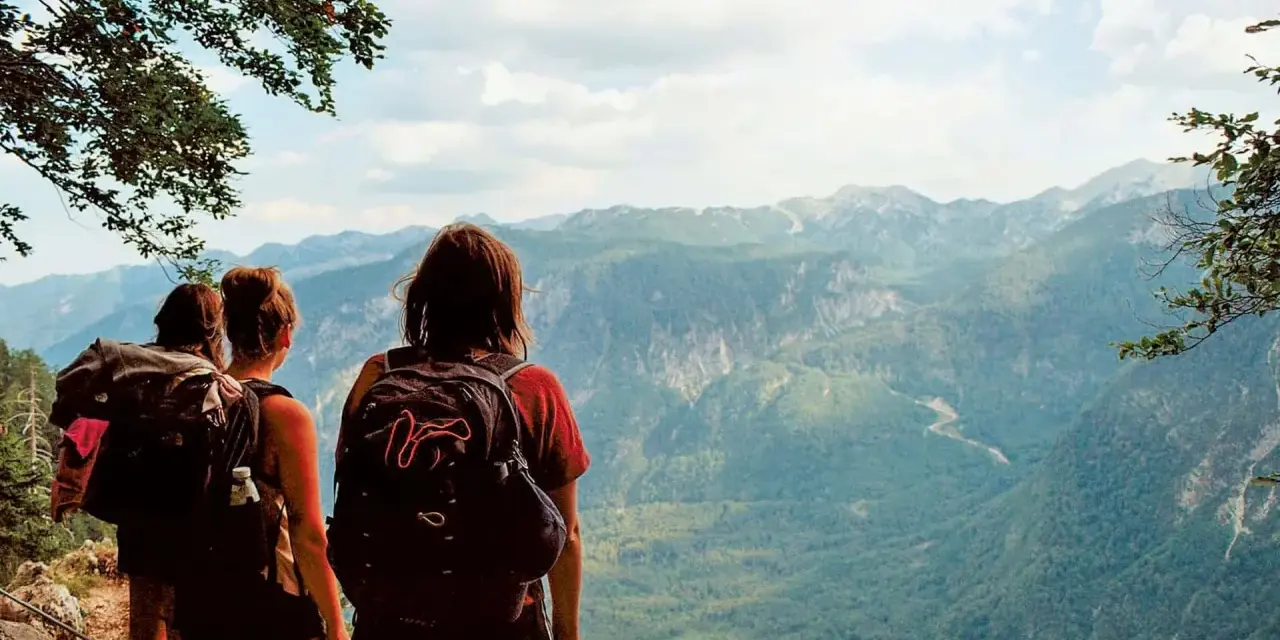
A Pyrenees trail trip works best when you treat it as a camping decision as much as a hiking one. The range is too long and too varied for a one-size-fits-all answer, so the real questions are where to base yourself, whether you want valley campsites or high bivouac nights, and how much exposure you are comfortable carrying. In this guide I focus on the practical side: route style, the best camping-friendly areas, and the rules that matter once you pitch a tent.
What matters most before you pitch a tent in the Pyrenees
- The route is not one single experience: GR10, GR11, and the Haute Route all feel different for campers.
- Valley campsites are the easiest option: they suit families, rest days, and anyone who wants showers and resupply nearby.
- High bivouac is tightly regulated in protected areas: in the French national park, overnight camping rules are specific and fires are banned.
- Late June to September is the workable season: higher passes can still hold snow into July.
- For a first trip, base camp planning usually beats moving every night: Cauterets, Val d’Azun, Ordesa, and Benasque are strong starting points.
What the Pyrenees route really asks of campers
I would not approach this mountain crossing as a simple point-to-point walk. It is a long chain of decisions, and camping changes the experience more than people expect. A good tent pitch can make a hard day feel manageable; a bad one can turn a beautiful section into a slog.
The route family is broad, but the pattern is consistent: lower valleys give you more villages and easier logistics, while the higher lines ask for better fitness, better weather judgement, and lighter packing. That is why the same mountain range can suit a relaxed campsite holiday, a hut-to-hut week, or a serious alpine trek. If you understand that first, the rest becomes much easier to plan.
That is also why I compare the main route styles before I choose a base or book a pitch. The camping destination only makes sense once you know what kind of walking day it needs to support.
Which route style fits your camping trip
The exact mileage varies by guide and by variant, so I judge these routes by how they feel on the ground rather than by a single number. For campers, the differences are more important than the measurements.
| Route style | Terrain feel | Camping fit | My read |
|---|---|---|---|
| GR10 | French side, generally lower and more valley-linked | Strong campsite access, easier resupply, more flexibility | Best all-round choice if you want a camping holiday that still feels adventurous |
| GR11 | Spanish side, often a little drier and more alpine | Good for experienced hikers who can handle longer stages | Great if you want the Spanish Pyrenees feel and do not mind tougher logistics |
| Haute Route Pyrenees | High, wild, and often closest to the crest | Best for light, confident campers who are comfortable with weather changes | Rewarding, but it is the least forgiving option for a first trip |
If I were advising a family or a first-timer, I would usually point them toward the more valley-linked option first. It gives you a better mix of camping comfort, food access, and exit options if the weather turns. The higher and wilder lines are excellent, but they work best when you already know you can carry more risk and more elevation.
Once the route style is clear, the geography becomes much easier to read. That is where the best camping bases start to stand out.

The camping-friendly stretches I would shortlist first
Western Pyrenees for easier starts
The western side is a sensible place to begin if you want a smoother entry into the mountains. I like the Basque and Ossau areas for that reason: they give you proper scenery without forcing you immediately into the most punishing terrain. Laruns and the surrounding valleys work well as a practical base because you can combine a campsite stay with shorter hikes, waterfall walks, and a gentler first night at altitude.
This part of the range is also useful if you are still testing your load. A first camping day in the western Pyrenees can show you very quickly whether your pack is too heavy, whether your tent stands up to mountain wind, and whether your pace is realistic. I always see that as a valuable filter rather than a setback.
Central Pyrenees for the classic mountain feel
If you want the trip to feel properly alpine, I would look around Val d’Azun, Cauterets, and Gavarnie. Those names matter because they sit close to the kind of scenery people imagine when they think of the Pyrenees: big cirques, dramatic waterfalls, lake basins, and long views to high ridges. In practice, they are also strong camping bases because you can sleep low and still reach iconic day hikes without overcomplicating the logistics.
For me, this central belt is the sweet spot for a camping holiday. You get a lot of the visual reward of the high mountains, but you do not need to commit to a full crest route. If you are travelling with children or you simply prefer to keep the trip enjoyable rather than severe, this is usually the smartest place to focus.
The Spanish side for bigger stages and more space
On the Spanish side, I would look toward Ordesa and Benasque if the goal is a stronger mountain feel and longer walking days. These areas are excellent when you want a base that leads into bigger climbs, more isolated scenery, and a more rugged sense of scale. They are less about easy wandering and more about proper trekking rhythm.
This is where the route starts to feel like a mountain journey rather than a sightseeing holiday. That is not a bad thing, but it does mean you need to be honest about fitness, weather tolerance, and the kind of campsite access you want. The destination should serve the walk, not fight it.
Read Also: Pyrenees Hut-to-Hut Hiking - Your Essential Planning Guide
The eastern side for a warmer finish
Toward the eastern end, the landscape becomes more forgiving and, often, drier. That makes it a good option if you want a later-season camping trip or a finish that feels a little less severe than the central high country. I like this part of the range for mixed itineraries because it lets you combine mountain walking with easier resupply and lower, warmer nights.
So if your main priority is not a classic summit push but a balanced camping holiday, the eastern side can be a smart choice. It is still proper mountain country, just with a gentler edge. That difference matters more than people think once they are trying to sleep well after a long day on the trail.
These areas are worth knowing because the mountain does not reward vague camping plans. The next step is understanding which sleeping style actually works in each zone.
How to sleep legally and safely on the mountain
I separate Pyrenean overnight options into three buckets: campsites, refuges, and bivouac. Campsites are the easiest and most comfortable choice. Refuges are the best fallback when the terrain gets too high for sensible campsite hopping. Bivouac is the lightest option, but it only works well when you understand local rules and you are comfortable moving early and carrying less.- Choose campsites if you want showers, easier food access, and a lower-stress trip.
- Choose refuges if the high mountain terrain makes a campsite-to-campsite plan awkward.
- Choose bivouac only if you are moving light, can read conditions well, and are happy with a very simple camp.
In the French national park, the rules are specific. Bivouac is allowed only from 19:00 to 09:00, more than an hour on foot from a road access point or the core-zone boundary, and there is no camping or campervan parking overnight. Fires are not allowed, and dogs are not admitted in the core zone, even on a lead. That is the kind of detail that can reshape an itinerary, so I always check the map boundaries before I commit to a route.
Outside the park, the rules change from valley to valley and from one protected area to the next. I would never assume one rule applies everywhere in the Pyrenees. That habit saves trouble, and it also keeps you from arriving at a beautiful place only to discover you cannot legally stay there.
Once you know where you are allowed to sleep, timing becomes the next big variable.
When to go and what the mountain weather will do to you
For most camping trips, I would target late June through September. That is the window when the mountain is most workable for ordinary hikers, although the higher lines can still hold snow into July. If you are eyeing the crest route or any pass above the main valleys, I would treat early summer with caution rather than optimism.
| Window | What I expect | My view |
|---|---|---|
| Late June to early July | Quieter campsites, colder nights, possible snow on higher passes | Good for valley-based trips and flexible plans |
| July and August | Most stable conditions, busiest campsites, warm days and variable afternoons | The best all-round season for a full camping trek |
| September | Calmer pitches, cooler mornings, shorter daylight | Excellent if you prefer a quieter mountain and do not mind colder nights |
My rule is simple: start early, keep the afternoon flexible, and never assume a clear forecast at valley level means the ridge will behave the same way. Thunderstorms build fast in the mountains, and wind is often the bigger issue than rain. If you are camping higher up, I would also plan a little margin for descent, because the safest pitch is not always the prettiest one.
- Tent: choose something that can handle wind, not just a calm campsite.
- Sleeping system: bring a bag that copes with cool altitude nights, not just warm lowland weather.
- Layering: a waterproof shell, warm mid-layer, and spare socks make a real difference.
- Navigation: carry an offline map or GPS backup, even on marked sections.
- Food: keep one extra meal and a few emergency snacks in reserve.
If you pack for the mountain instead of for the brochure, the trip becomes much smoother. That leads directly to how I would structure an actual holiday from the UK.
A first trip works best when you choose a valley, not a line
If I were planning a first UK camping holiday in the Pyrenees, I would not start with a full traverse. I would choose one base valley, add one or two big day walks, and leave one spare day for weather or recovery. That gives you the scenery without the pressure, and in my experience it is usually the difference between a good trip and an exhausting one.
- Three to four nights: stay in one campsite near Cauterets, Val d’Azun, or the Ordesa side and build the trip around day hikes.
- Five to seven nights: use one or two campsites and link them with a short trekking section if you want a stronger sense of movement.
- Ten nights or more: only go this far if you want a serious long-distance section of the French or Spanish traverse and you are ready for larger daily gains.
For families, I would lean toward valley camps with easy access to lakes, waterfalls, and lift-assisted walks. For experienced hikers, I would look at a point-to-point plan in the central or Spanish mountains, but only if the weather window and bookings are stable. Popular refuges and high-season campsites can fill quickly, so the less flexible the route, the earlier I would book.
That is the approach I trust most in 2026: choose a valley that matches your pace, treat the higher ground as a reward rather than a deadline, and let the camping destination shape the route instead of forcing the route to shape the trip. If you do that, the mountains feel generous instead of demanding, which is exactly how I think a Pyrenean camping holiday should feel.
