
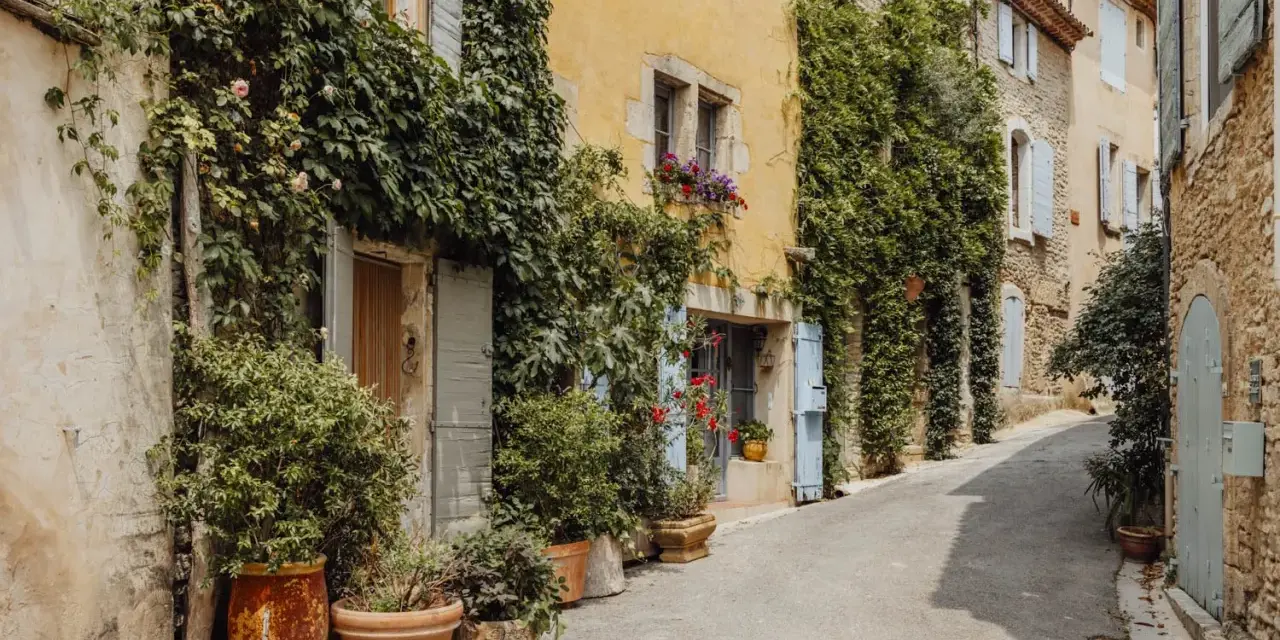
A vakantiepark Provence break works best when you want one practical base for pool days, self-catering comfort, and quick escapes into lavender country, river gorges, or the Mediterranean coast. I usually look at these stays as a way to keep the holiday easy without flattening the regional variety that makes Provence worth visiting.
This guide focuses on where to stay, what facilities actually matter, how the season changes the experience, and the small booking details that save a lot of hassle later. If you are planning a family trip, a road holiday, or a slower outdoor escape, the right park choice makes a bigger difference here than many people expect.
The quickest way to choose the right base in Provence
- Coastal parks suit beach-first trips, while inland parks suit quieter scenery and more space.
- The strongest family options usually combine shade, a usable pool, and flexible self-catering.
- July and August are the busiest months, so book early and check air-conditioning, pool rules, and entertainment.
- For UK travellers, a car often matters as much as the park itself.
- June and September usually give the best balance of weather, crowds, and value.
What a Provence holiday park usually gives you
In Provence, a holiday park often feels closer to a compact resort than a simple campsite. You will usually see mobile homes, lodges, or pitches alongside a pool, playground, reception, and some mix of restaurant, snack bar, bread service, or shop.
That is exactly why these places work so well for families and mixed-age groups. You get the outdoor feel of a campsite, but you also get the convenience that makes longer stays easier, especially when the weather is hot and you do not want to plan every meal from scratch.
The trade-off is straightforward. The more on-site facilities you want, the more likely you are to pay for busier communal areas, more rules around pool use, and accommodation that fills up early in peak season. Once you understand that balance, the next question is not just what the park offers, but where in Provence it sits.

Which part of Provence fits your trip best
The region looks compact on a map, but the experience changes a lot depending on whether you stay by the coast, in the inland villages, or near the big natural parks. I would choose the location first, then compare individual parks inside that area.
| Area | Best for | What it feels like | Main trade-off |
|---|---|---|---|
| Var coast and the wider Mediterranean belt | Beach days, family swimming, easy resort energy | Lively, practical, and close to the sea | Traffic and higher demand in the main holiday months |
| Luberon and Vaucluse | Villages, markets, cycling, lavender landscapes | Slower, prettier, and more obviously Provençal | You will drive farther for beaches and large water parks |
| Verdon and Alpes-de-Haute-Provence | Hiking, canoeing, lakes, gorges, active breaks | More outdoor-focused and spacious | Fewer classic seaside holiday facilities |
| Around Aix-en-Provence and Saint-Rémy | Mixed itineraries, food, culture, day trips | Central and flexible, with easy access to several parts of Provence | Not always the cheapest or quietest choice |
If I were planning a first trip, I would usually choose the coast for the easiest all-round holiday, the Luberon for atmosphere, and the Verdon area for the strongest outdoor focus. The important thing is to match the base to the holiday you actually want, because Provence can feel very different once the driving starts.
How to choose between a lively resort and a quieter park
Not every park in Provence is built for the same kind of stay. Some lean into entertainment, water slides, kids clubs, and a full holiday programme. Others keep things smaller, calmer, and more understated, which is often better if you mainly want the region itself to do the work.
| Choice | Best for | Strength | Weak spot |
|---|---|---|---|
| Lively resort-style park | Families with children, groups, first-time visitors | Easy structure, lots to do on site, social atmosphere | Can be noisier and less spacious |
| Quieter park | Couples, walkers, longer stays, repeat visitors | More calm, more privacy, often better value for people who explore a lot | Fewer built-in activities for children |
I tend to go lively when children need routine and I want the pool area to carry some of the holiday load. I choose quieter when the region, not the resort, is the main attraction. That decision matters even more once you start checking the practical details that affect comfort in Provence heat.
The facilities that matter most in Provence heat
Some park features look impressive in photos but make only a small difference once you are on site. In Provence, I pay more attention to the things that affect comfort during hot afternoons and tired evenings.
- Shade and air-conditioning matter more than many travellers expect, especially inland where summer heat can be intense.
- The pool layout should suit your trip. A large pool is useful, but a shallow children's area can matter more if you are travelling with younger kids.
- Kids clubs and age bands are worth checking carefully, because the right activity programme depends on your children's ages, not just the brochure wording.
- Food access saves time. A decent shop, bread service, or snack bar can make a long stay feel far easier.
- Wi-Fi and parking are basic comforts, but they become important fast if you are working remotely or travelling with a car full of luggage.
- Bike hire and walkable surroundings help a lot if you want to explore without driving for every small outing.
Those details matter because Provence is not a uniform holiday setting. A park that looks fantastic on paper can feel tiring if there is no shade, the pool opens too late, or every daily errand requires a car. Once you know what comfort looks like, the season becomes the next big piece of the decision.
When to go for the best balance of weather, crowds, and value
Timing changes the whole rhythm of a Provence stay. The same park can feel peaceful in June, busy in August, and almost like a different destination in September.
Late spring
May and June are excellent for sightseeing, cycling, walking, and village visits. The landscapes are greener, the roads are usually easier to manage, and the parks feel more relaxed. Pools may still be a little cool early in the season, but for active travellers this is often the most comfortable time of year.
Peak summer
July and August bring the strongest holiday atmosphere, the warmest evenings, and the best chance of a full entertainment programme. They also bring the most competition for the best family units and shaded accommodation. If you want school-holiday dates, I would not leave the booking to the last moment.
Read Also: Pyrenean Haute Route Camping - Master the HRP Bivouac!
Early autumn
September is often the sweet spot. The water is still usable, the heat softens a little, and the parks usually feel less pressured. For me, it is the best balance if you want both pool time and real sightseeing without the worst summer crowds. The only caveat is that some entertainment schedules begin to thin out, so it is worth checking exactly what stays open.
In practice, the right season depends on whether your holiday is built around swimming, exploring, or both. That leads naturally into the booking habits that prevent most of the avoidable mistakes.
Practical booking habits for UK travellers
If you are coming from the UK, I would approach Provence in a fairly methodical order. A good location, a sensible travel plan, and honest reading of the small print matter more here than glossy photos.
- Choose the region first, then the park. A great park in the wrong part of Provence can create unnecessary driving and waste time each day.
- Decide whether you need a car. If you are staying inland, a car is usually the sensible choice. Without one, coastal bases are easier.
- Check what is included. Linen, towels, final cleaning, air-conditioning, parking, pet fees, Wi-Fi, and local tax can all affect the real cost.
- Match the accommodation to the heat. A shaded lodge or air-conditioned unit can be worth far more than a larger but exposed option.
- Book peak weeks early. Family units, bigger mobile homes, and the best shaded spots are usually the first to disappear.
- Read distances in time, not kilometres. Provence roads, village routes, and seasonal traffic can make short distances feel longer than expected.
If you are flying from the UK, Marseille and Nice are often the easiest gateways for a Provence holiday, depending on where you stay. A well-planned car hire booking usually pays for itself in flexibility, especially if you want to combine beaches, villages, and inland scenery in one trip.
The details I would check before I book a Provence stay
The best parks are not always the flashiest ones. I usually narrow the choice by asking three simple questions: does the location suit the trip, does the layout handle heat well, and does the park make daily life easier rather than more complicated?
- Is the pool genuinely useful for your family, or just attractive in photos?
- Is there enough shade around the accommodation and outdoor areas?
- Can you reach the nearest beach, village, trail, or supermarket without turning every errand into a long drive?
- Do the entertainment times suit your children, or will they create noise when you want quiet evenings?
- Are the extras included in the price, or will the stay become more expensive once the add-ons appear?
When those answers line up, Provence becomes very easy to enjoy. You get slower breakfasts, long swims, good local food, and day trips that feel varied rather than rushed, which is exactly why this kind of holiday park works so well for family travel and outdoor-focused breaks.
