
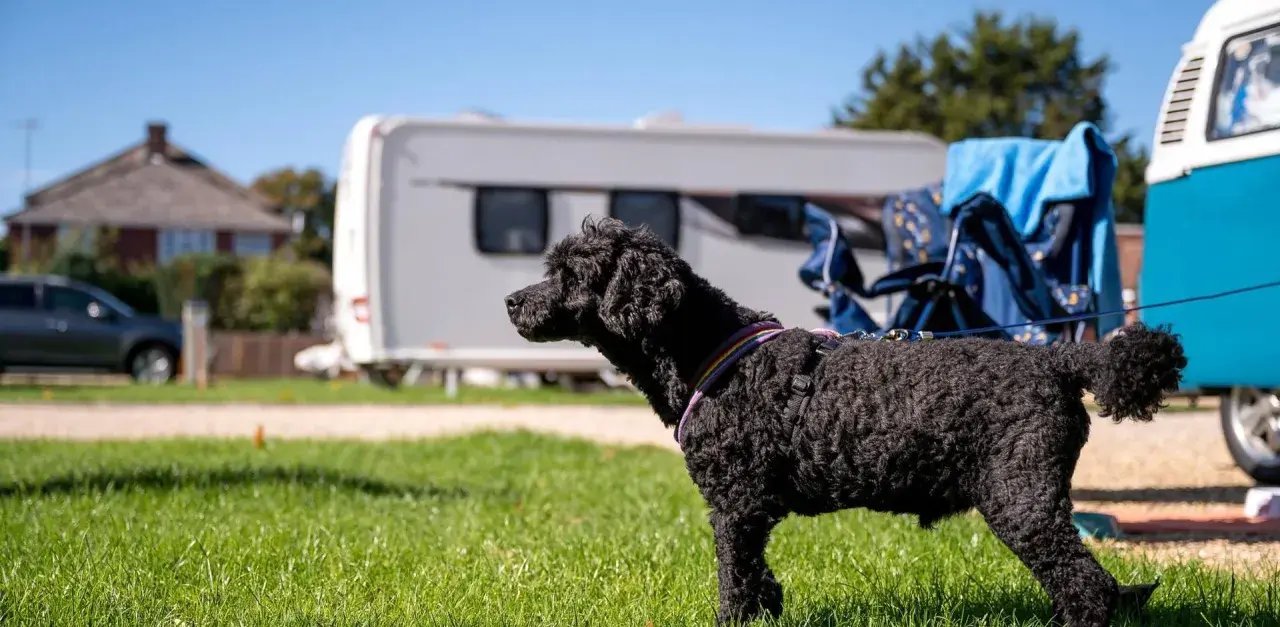
The right pet friendly campgrounds in the UK make the whole trip simpler: fewer arguments over rules, better walks on the doorstep, and a setup that keeps dogs calm after travel. In practice, the label alone tells you very little; I care more about leash rules, pitch surface, on-site walking space, and whether the site is easy to manage in wet weather. In this guide, I focus on how to choose the right base, which UK destinations work best with dogs, what to pack, and the habits that keep the stay comfortable for everyone.
The sites that work best are the ones that make daily dog care easy
- A genuinely dog-friendly site gives you clear leash rules, waste disposal, and a safe place to walk without driving first.
- Coast and national-park destinations suit active dogs; quieter inland bases are often better for nervous or older pets.
- Basic pitches can start from around £8, but peak-season coastal parks and serviced family sites usually cost much more.
- I book early for bank holidays and half-term, because the best pitches near trails and beaches disappear first.
- A familiar blanket, spare lead, towels, and current ID tag do more for a calm stay than extra gadgets.
The key details that separate a good dog-friendly site from a frustrating one
I ignore glossy photos until I can answer a few practical questions. The best sites make those answers obvious on the booking page, because they know dogs bring different needs from a standard family break.
| Feature | Why it matters | What I look for |
|---|---|---|
| Direct walking access | Gives your dog exercise without road walking | A field loop, woodland path, beach access, or a marked dog walk |
| Clear leash policy | Prevents awkward surprises on arrival | Specific guidance on lead length and where dogs may roam |
| Wash point or dog shower | Makes mud and sand easier to handle | A hose, tap, or dedicated dog wash near the pitches |
| Pitch surface | Affects comfort in rain and cold weather | Hardstanding or well-drained grass instead of boggy ground |
| Waste bins and bin routes | Keeps the site tidy and lowers stress | Bins near exits or walking paths, not hidden at the far end |
| Pitch spacing | Helps with noise-sensitive or reactive dogs | Enough room between units, not a tightly packed row |
| Access restrictions | Avoids misunderstandings about indoor spaces | Clear notes on indoor blocks, breed rules, and the number of dogs allowed |
When a listing is vague about these basics, I treat that as a warning sign. It usually means you will spend the first hour solving problems the page should have answered already. That is why the destination itself matters next: some UK regions make these details easier to find and easier to enjoy.

Where to base a UK trip when you are travelling with a dog
For a dog, the destination matters as much as the campsite. A long open path, a beach loop, or a quiet village edge can turn an ordinary pitch into an easy holiday.
| Destination | Why it works for dogs | What to watch |
|---|---|---|
| Lake District | Long walks, lake shores, and plenty of outdoor-focused sites | Busy car parks, steep paths, and crowded routes in peak season |
| Cornwall and Devon | Beach days, coastal paths, and family parks with strong facilities | Summer traffic and seasonal dog restrictions on some beaches |
| Pembrokeshire Coast | Quieter coves, dramatic shoreline, and excellent walking access | Steep access in places and weather that changes quickly |
| Peak District | Central location, varied trails, and easy short-break logistics | Exposed moorland wind and busy trailheads on weekends |
| Northumberland | Wide beaches, open views, and a quieter pace | Fewer services in remote areas and longer drives between towns |
| Scottish Highlands and Loch Lomond | Big scenery, spacious routes, and a proper sense of escape | Longer travel, midges in season, and fewer nearby shops |
If I had to simplify it, I would say coast for energy, national parks for variety, and quieter inland regions for dogs that do better with less stimulation. That is useful when you start comparing booking pages, because the right region narrows the search before you even look at the pitch.
How to read the booking page before you pay
I never book on the friendly label alone. I open the rule list and check the details that change the experience most: the number of dogs allowed, any breed restrictions, where the dog can go, and whether the site expects animals to stay on the pitch.
- Check the maximum number of dogs and any extra charges per night.
- Confirm where dogs are allowed, because “pets welcome” can still mean pitch only, outdoor areas only, or no indoor facility access.
- Look for practical extras such as a dog walk, a wash point, or shaded space near the pitches.
- Compare pitch type as well as campsite type, because grass, hardstanding, and electric pitches behave very differently in wet UK weather.
- Book early for half-term, bank holidays, and summer coast trips. In my experience, 6 to 10 weeks ahead is a sensible minimum, and much earlier is safer for July and August.
On price, I treat “from” rates carefully. Pitchup currently shows dog-allowed pitches in England from around £8, but premium coastal parks and feature-rich family sites can be several times that in high season. I compare the true nightly total, not just the base pitch, because extra dogs, awnings, and busy dates can change the bill fast. That price check saves money, but the next step saves comfort: packing the right kit.
What to pack so your dog settles in quickly
My packing list is boring on purpose. I want the first night to feel familiar, not novel.
- Familiar blanket or bed so the sleeping setup smells like home.
- A secure harness and two leads, one short and one longer for walks off-site.
- Current ID tag and up-to-date microchip details in case the dog slips away.
- Food measured out in advance, plus collapsible bowls for water and meals.
- Dog towels and wipes for mud, sand, and wet grass.
- Waste bags, because a tidy pitch is part of good campsite etiquette.
- A collar light or small torch for late walks after dark.
- A basic first-aid kit, including tick remover if you are heading into woodland or heath.
- A cooling mat or extra shade if you are travelling in warmer weather.
That list looks simple, but it covers the problems that actually happen: muddy paws, nervous settling, and the occasional lost walk at dusk. Once the kit is right, the remaining risk is behaviour on site, which is where many otherwise good trips go wrong.
Camping habits that keep the whole pitch calmer
The campsite might be welcoming, but that does not mean the dog can do whatever it likes. The easiest trips are the ones where I build the day around the dog’s needs instead of trying to squeeze dog care around everything else.
- Walk the dog before check-in if the travel time has been long.
- Keep the lead close and the dog supervised, especially near entrances, shared paths, and busy pitches.
- Do not leave a dog alone for long in a tent or van, even if the site allows short absences. Ventilation and temperature change too quickly to be casual about it.
- Rinse sand and mud off before entering the tent or awning, or you will spend the next day cleaning instead of relaxing.
- Respect dog-free areas, indoor blocks, and beach restrictions. Coastal Britain often has seasonal rules that look small on paper but matter in practice.
- Keep an eye on wildlife areas and sheep fields, because a relaxed walk for people can become a stressful one for dogs very quickly.
On some club sites, the lead limit is no longer than 2m, and dogs must be supervised at all times. I like that rule as a benchmark because it keeps the dog close on narrow pitches and reduces the chance of nuisance behaviour. If a campsite feels looser than that, I still use the same standard for my own planning, because it usually leads to a smoother stay. With those habits in place, the final choice becomes much easier.
Choose the base that matches your dog’s pace
When I narrow down a UK break, I start with the dog’s temperament. An energetic dog usually does best with coastal paths, hill walks, and a site that lets you step straight onto a route without a long drive first. An older or more nervous dog often does better with a quieter inland pitch, good drainage, and a short, predictable walk than with a dramatic view.
For family trips, I look for a site that balances space with convenience: a dog exercise area, easy showers, clean facilities, and enough nearby days out that the dog does not spend the whole holiday waiting by the tent. If I have to choose between two similar campsites, I usually pick the one with better walking access and fewer awkward rules. That decision saves more stress than any discount does, and it is the difference between a nice break and a holiday that feels managed from start to finish.
