
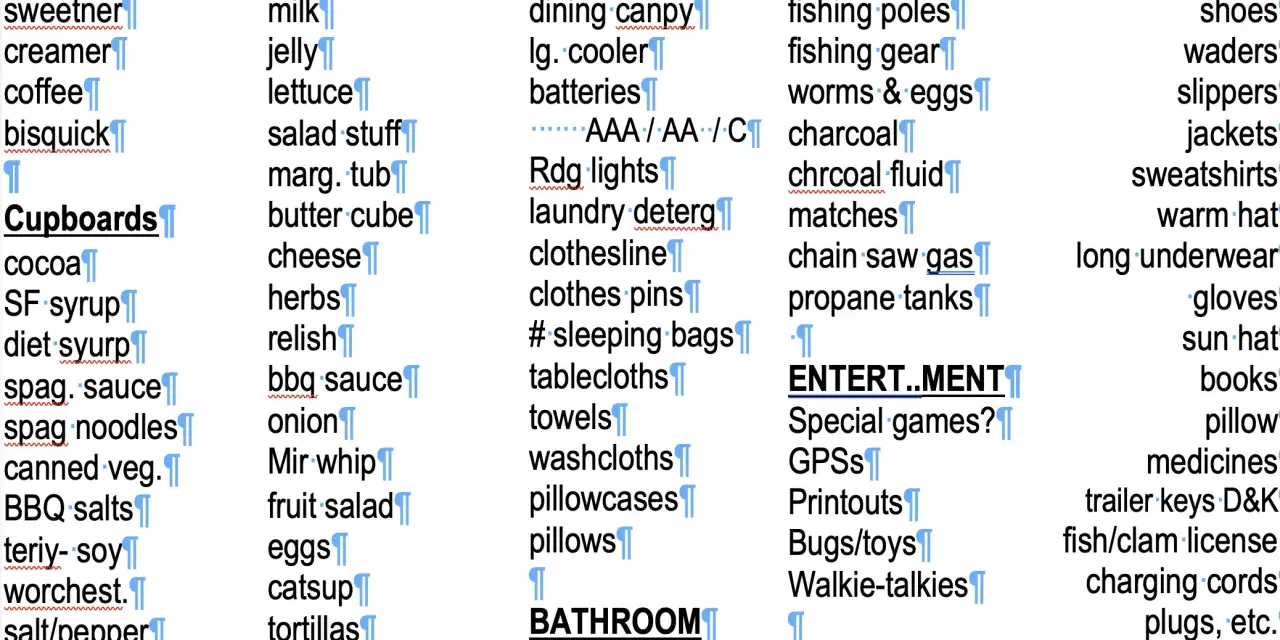
A good car camping packing list is really about preventing the small failures that turn into a frustrating night: a cold sleep system, a missing torch, or a kitchen box that is buried at the bottom of the boot. I like to pack by function rather than by room, because that makes setup quicker when you arrive tired. This guide covers the essentials, the useful extras, and the UK-specific items that matter when the weather changes fast.
What to pack first for a smooth night outdoors
- Start with sleep gear: shelter, sleeping bag, mat, pillow, and one spare blanket per car if space allows.
- Build a simple camp kitchen around a stove, fuel, one pan, one kettle, and easy-clean tableware.
- In the UK, waterproof layers and dry socks matter even on trips that begin in sunshine.
- Keep safety items, power, and lighting easy to reach instead of burying them under the heavier boxes.
- For family trips, pack a few comfort items and quiet activities, not a full toy box.

The essentials that make camp actually sleepable
I always start here, because if the sleep setup is wrong the rest of the trip feels harder than it should. For car camping, you can be a little more generous than you would on a backpacking trip, so I usually choose comfort over minimal weight. That means a tent with enough room to sit up, a sleeping bag that matches the coldest night I expect, and a mat or air bed that does more than just take the edge off the ground.
| Item | Why it matters | My practical note |
|---|---|---|
| Tent and footprint | Shelter from rain, wind, and insects | Choose a tent sized for one or two more people than will sleep in it if you want easier changing space and bag storage. |
| Sleeping bag or duvet | Night-time warmth | Match the comfort rating to the overnight low, not to the warm afternoon at home. |
| Sleeping mat, air bed, or camp bed | Insulation and comfort | For car camping, a thicker pad is often worth the extra bulk. |
| Pillow | Better sleep and less neck strain | A full-size pillow is fine if you are driving to site. |
| Extra blanket | Backup warmth on colder evenings | Useful when you are sat outside late or when the temperature drops after sunset. |
| Head torch and lantern | Hands-free light inside and outside the tent | I like one torch per adult and one lantern for the tent so nobody has to fumble around in the dark. |
I also keep the tent pegs, mallet, and spare guylines in the same bag as the tent, because those are the things I do not want to hunt for in fading light. If the campsite is exposed or windy, a few extra guylines are cheap insurance. Once the sleep system is sorted, the next job is making sure meals stay simple rather than stressful.
What to pack for meals, coffee, and washing up
My camp kitchen is built around one rule: if I cannot cook a basic breakfast and a basic dinner with it, I do not pack it. Car camping gives you enough space for a proper mug, a bigger kettle, and a stove that feels closer to home cooking than emergency survival. That is useful, but only if you keep the kit organised.
- Camping stove and fuel - bring the correct fuel for your model, plus a spare if the trip is more than a night or two.
- Lighter or matches - I pack one in the kitchen box and one backup in a dry pocket.
- Pan and kettle - one good pan and one kettle cover most weekend meals and hot drinks.
- Cutlery, plates, bowls, mugs, and cups - choose a set that is easy to clean and hard to break.
- Sharp knife, bottle opener, tin opener, and corkscrew - these are small items people forget and then regret later.
- Washing-up bowl, sponge, washing-up liquid, tea towel - if you can clean up quickly, the whole site feels calmer.
- Cool box and ice packs - worth it for dairy, meat, and longer stays, especially in warm weather.
- Water carrier and water bottles - one large container for camp and one bottle per person is the simplest setup.
- Bin bags - I always pack more than one because they also help with muddy clothes and wet gear.
If the campsite offers electric hook-up, pack the right lead and adaptor before you leave. That one detail can save a lot of hassle when you want to charge devices or run a small appliance safely. Once food is sorted, clothing becomes the difference between a pleasant weekend and a damp one.
How to dress for British weather without overpacking
For UK trips, I build clothing around layers because the weather can move from bright to chilly to wet in a single afternoon. Even in summer, I would rather carry one extra fleece than sit in a damp T-shirt after sunset. The trick is not to pack a wardrobe, but to pack combinations that still work when the forecast turns less friendly than expected.
| Weather situation | What to pack | Why it helps |
|---|---|---|
| Mild day, cool evening | T-shirt, fleece, light jacket, long trousers | Lets you adjust without changing the whole outfit. |
| Rainy or windy campsite | Waterproof jacket, waterproof trousers, spare socks, dry shoes | Dry feet and legs make a much bigger difference than people expect. |
| Cold night | Thermals, hat, gloves, thick socks, extra blanket | Stops the evening from feeling longer than it needs to. |
| Muddy pitch or beach site | Walking shoes plus camp shoes or sliders | Makes it easier to keep the tent cleaner and move around comfortably. |
I also keep one dry change of clothes sealed in a separate bag, not loose in the boot. That way, if everything else gets damp, I still have something warm to put on. With clothing covered, the last big category is the gear that keeps the trip safe, powered, and easy to manage.
Safety, power, and campsite basics you should not leave behind
These items do not look exciting, but they stop tiny problems from becoming annoying ones. I treat them as the backbone of the trip, and I keep them in a bag I can reach quickly after arrival. If I have to unpack half the car to find a torch or first aid kit, the system is not working well enough.
- First aid kit - plasters, antiseptic wipes, pain relief, and any personal medication.
- Phone, charger, and power bank - I like at least one reliable power bank for every one or two phones, depending on the trip length.
- Car charger and charging cable - useful when you are driving long distances or using navigation on arrival.
- Booking confirmation, campsite details, and any permit - save it on your phone and keep a paper backup if you can.
- Cash and cards - some sites have card payments everywhere, but small cash can still be handy.
- Toilet roll and hand sanitiser - boring, essential, and always worth packing.
- Wet wipes or cloths - useful for quick cleanups when water is not nearby.
- Head torch batteries or spare lights - always better to have them before you need them.
- Duct tape, penknife or multitool, extra guyline, and a brush - these are the quiet problem-solvers that save a trip.
I also check the campsite rules before I pack anything that burns, makes noise, or needs a power connection. That includes BBQs, fire pits, generators, and even whether dogs are welcome in the area we are booking. Once the practical base is covered, the last step is deciding what extra comfort actually earns its place in the car.
Family comforts that are worth the space in the boot
For family trips, I try to avoid the trap of packing everything “just in case”. A campsite is usually more enjoyable when children have a few reliable comforts and one or two quiet activities, rather than a mountain of toys that end up scattered everywhere. The best extras are the ones that reduce friction at the end of the day.
For younger children
- Spare layers and more socks than you think you need.
- A familiar blanket, soft toy, or comfort item for bedtime.
- Snacks that do not crumble everywhere and a reusable drink bottle.
- Wipes, nappy bags, and any baby or toddler essentials you use at home.
- A small torch or child-friendly headlamp so they can feel included after dark.
Read Also: What is Glamping? Your Guide to UK Stays & Comfort
For older children
- One book, one card game, or one quiet activity per child.
- A spare hoodie and a rain layer, even if they insist they will not need them.
- Chargers for tablets or e-readers if you are using screen time as downtime.
- Simple outdoor kit such as a ball, frisbee, or binoculars if there is space.
If your family includes a dog, give it a small kit of its own: lead, bowls, food, towel, and a blanket. Keeping pet gear separate is one of those small organisation choices that makes setting up camp much less chaotic. From there, the final question is not what to pack, but how to stop the car from becoming a jumble of mixed-up gear.
The lean packing rule I use when I want an easy weekend
This car camping packing list works best when I split everything into three simple piles: sleep, kitchen, and problem solvers. If an item does not keep us warm, fed, clean, or safe, I usually leave it at home. That rule keeps the boot manageable without creating the classic mistake of packing a lovely campsite and forgetting the torch or the tin opener.
My lean setup for most weekends is one tent, one sleep system per person, a stripped-back kitchen box, weatherproof layers, a first aid kit, power, and a small comfort bag for books or games. If I am going with children, I add a few extras that make evenings easier, but I do not let them take over the whole load. That balance is what keeps the trip relaxed from the drive in to the last cup of tea before bed.
When I pack that way, I spend less time hunting through bags and more time actually enjoying the campsite, which is the point of the whole exercise.
