
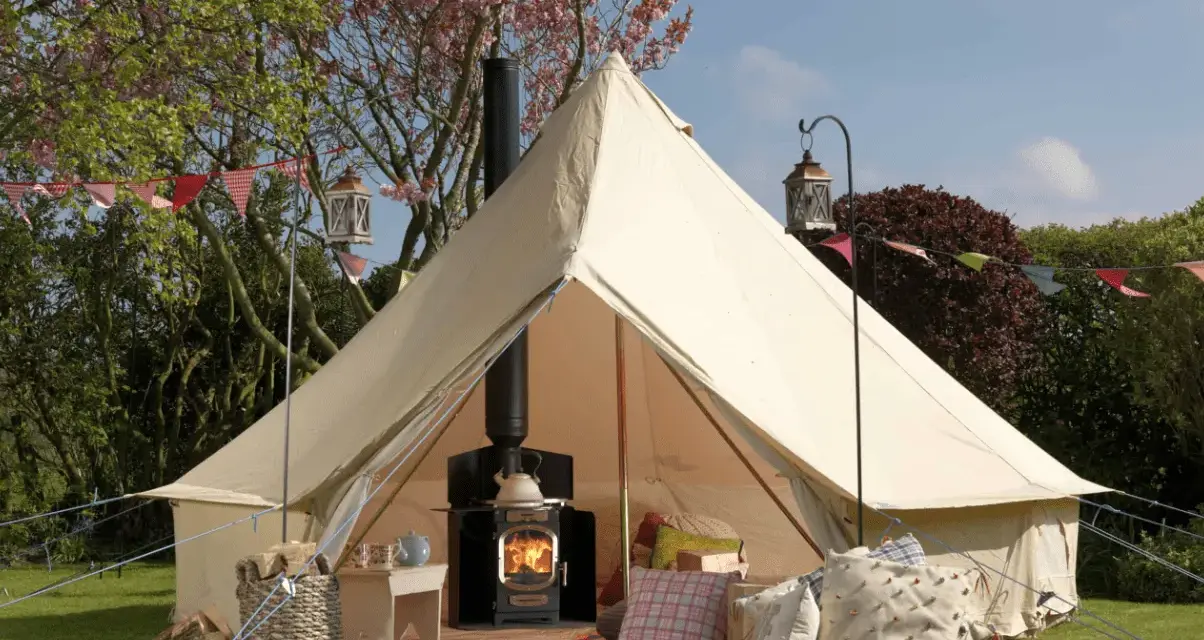
Glamping takes the rough edges off outdoor travel without removing the appeal of being outside. This guide explains what is glamping, how it differs from regular camping, and how to choose a stay that fits a UK weekend, a family break, or a first outdoor holiday.
The quickest way to understand glamping
- It blends the atmosphere of a campsite with proper beds, better shelter, and more comfortable facilities.
- Stays can range from pods and yurts to shepherd’s huts, safari tents, cabins, and treehouses.
- The real value is convenience: less setup, better sleep, and fewer gear headaches.
- In the UK, heating, bathroom access, and parking often matter more than the novelty of the accommodation.
- It usually costs more than a basic pitch, but it also gives you a much easier first step into outdoor holidays.
What glamping really means
At its simplest, glamping is luxurious camping or, more accurately, camping with comfort built in. You still get the setting people want from the outdoors - fresh air, views, campfires, and a slower pace - but you do not have to pitch a tent, sleep on a thin mat, or spend half the evening assembling equipment.
I see it as a middle ground between a campsite and a hotel. A hotel gives you convenience but usually loses the outdoor feel; camping gives you the outdoor feel but asks you to do the hard work yourself. Glamping sits between those two poles, and that is why it has become so popular for couples, families, and anyone who wants a more relaxed first trip into nature.
| Option | What you bring | Comfort level | Best for |
|---|---|---|---|
| Traditional camping | Tent, bedding, cooking gear, lighting, and most of your own setup | Basic, but flexible | Travellers who want the lowest cost and do not mind the work |
| Glamping | Usually just clothes, food, and a few personal items | High to very high, depending on the site | People who want nature without sacrificing sleep or warmth |
| Hotel | Almost nothing beyond your suitcase | Consistent indoor comfort | Guests who want ease more than an outdoor experience |
The main thing to remember is that glamping is a broad category, not one fixed standard. Some places are almost boutique retreats, while others are simply well-equipped shelters with proper beds and heating. Once you understand that range, the accommodation types make a lot more sense.

The main types of stays you can book
In the UK, the choice is wider than many people expect. The right option depends on how much space you want, how close to nature you want to feel, and whether you are travelling as a couple, a family, or a mixed group.
| Stay type | What it feels like | Best for | Watch out for |
|---|---|---|---|
| Pod | Compact, warm, practical, and easy to manage in wet weather | First-timers, short breaks, and couples who want simplicity | Can feel tight if you need a lot of indoor space |
| Yurt | Spacious and atmospheric, with a more classic camping feel | Families or small groups who want room to move | Comfort depends heavily on heating and insulation |
| Safari tent | More like a soft-sided holiday home than a tent | Family stays and longer breaks | Often excellent, but not always as private as it looks online |
| Shepherd’s hut | Cosy, characterful, and often very polished | Couples and quiet countryside escapes | Space is usually limited, so storage can be tight |
| Treehouse | Memorable and a little more dramatic than most options | Special occasions and travellers who want a standout stay | Often pricier and sometimes less accessible |
If I were choosing for mixed weather, I would usually put a pod or a shepherd’s hut at the top of the list. If the point is to make the stay feel like a holiday in itself, safari tents and treehouses are the ones that tend to deliver the strongest sense of occasion. That leads naturally to the part most first-timers care about: what you actually get when you arrive.
What comfort looks like once you arrive
This is where reading the small print matters. Two places can both call themselves glamping and feel completely different in real life. One might give you a proper bed, private shower, heating, and a small kitchen; another might offer a more rustic canvas shelter with shared facilities nearby.
- Sleeping setup - Expect a real mattress or bed frame at many sites, but always check whether bedding and towels are included.
- Heating and insulation - This matters in the UK more than people admit. A good stove or heater can make a shoulder-season trip much more pleasant.
- Electricity and lighting - Some units have full power and sockets; others rely on lamps, battery packs, or solar setups.
- Bathrooms - En-suite bathrooms are common in higher-end stays, but not guaranteed. Shared facilities can still be clean and well kept, yet they change the feel of the break.
- Kitchen space - A hob, kettle, mini-fridge, or barbecue area can completely change how easy the stay feels, especially with children.
- Outdoor extras - Firepits, hot tubs, and covered seating add atmosphere, but I treat them as bonuses rather than the core of the experience.
The useful habit is to book for the experience you actually want, not the one the photos imply. Once you know the comfort level, the next question is whether the site will work for the people travelling with you.
How to choose a site that fits a family trip
For a family break, I would look at logistics before novelty. A beautiful cabin is not much help if you are carrying bags through mud in the dark, or if bedtime turns into a long walk to a toilet block every night. The practical details are what make a stay restful rather than merely picturesque.
| What to check | Why it matters | My rule of thumb |
|---|---|---|
| Parking distance | Short walks make arrival easier, especially with children and wet weather. | Close parking is worth paying for if you are travelling with a lot of gear. |
| Sleeping layout | Families need enough space to sleep well and keep routines simple. | I look for separate sleeping zones or enough room for a travel cot. |
| Bathroom access | Night-time comfort matters more once kids are involved. | En-suite is the easiest option; shared facilities should be very close and well reviewed. |
| Heating | UK evenings can drop faster than expected, even in summer. | If a place does not explain the heating clearly, I move on. |
| Kitchen basics | Breakfast, snacks, and simple dinners become much easier. | A fridge and kettle are the minimum I want for a family stay. |
| Outdoor space | Children need room to move without the whole trip becoming fragile. | A safe, visible outdoor area matters more than a fancy hot tub. |
| On-site activities | Walks, animals, bikes, or a play area reduce the pressure to plan every hour. | Good sites make it easy to enjoy the place itself, not just nearby attractions. |
That checklist usually tells me more than a glossy description ever will. If the accommodation fits the group, the final piece is packing smartly so the trip stays easy from the moment you leave home.
What to pack without overpacking
One of the best things about glamping is that you should not need to take half your house with you. The mistake many beginners make is packing as if they are heading to a bare campsite, which defeats the point of paying for comfort in the first place.
- Layers and waterproofs - The UK can switch from sunny to damp quickly, so I always pack clothes that can be added or removed easily.
- Sturdy shoes or wellies - Useful for wet grass, farm tracks, and early morning walks.
- Toiletries and towels - Bring these unless the site clearly includes them.
- Food and drinks - At least one simple meal, breakfast basics, snacks, and something warm for arrival.
- Chargers and a power bank - Even well-equipped sites sometimes have limited sockets or outdoor living spaces that eat battery life.
- Head torch or small lamp - Handy for late-night bathroom trips or reading after dark.
- Insect repellent and sunscreen - Both matter more than people expect, especially around water or woodland.
- Entertainment for slower evenings - A book, cards, or a board game keeps the atmosphere calm rather than screen-heavy.
I would also leave bulky sleeping gear at home unless the site specifically asks for it. If the accommodation already provides bedding and heating, overpacking only makes arrival more awkward. That brings us to the real decision: whether glamping is the right kind of outdoors holiday for you at all.
When glamping makes more sense than regular camping
For me, glamping is worth it when the goal is to enjoy nature without turning the trip into an exercise in endurance. It makes sense for short breaks, first-time campers, family trips, and anyone who values a good night’s sleep more than the satisfaction of carrying everything in one bag.
- Best choice - You want countryside time, but you do not want to pitch a tent, manage damp gear, or sleep badly.
- Less convincing - You want the lowest possible price, complete self-sufficiency, or a very remote back-to-basics experience.
- Worth paying for - You are travelling with children, the weather looks unpredictable, or the stay is part of the holiday rather than just a place to crash.
My rule is simple: if a site gives you clear information, proper shelter, and a setup that matches your trip, glamping can be the easiest way to enjoy the outdoors without the usual stress. If you start with the comfort you need and then choose the setting around it, the experience usually feels better than either a hard-core campsite or an overfussy hotel.
