
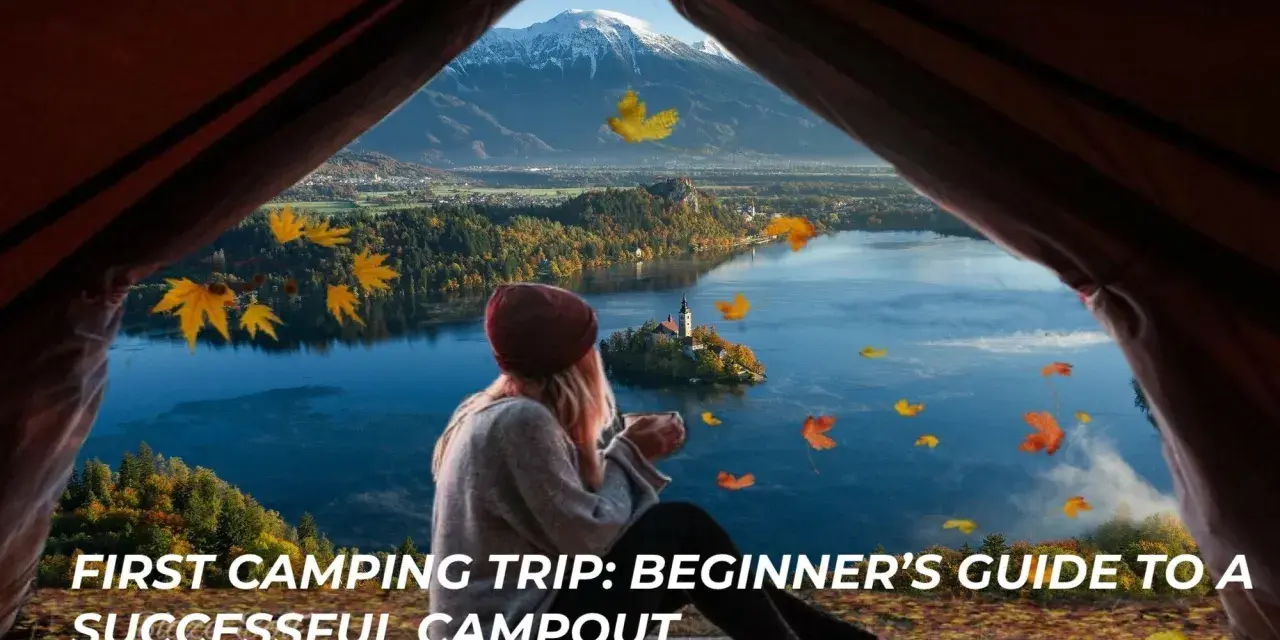
Car camping for beginners works best when you keep the first trip simple: choose a legal place to stay, pack less than you think, and build a sleep setup you can trust. In this guide I focus on the practical parts that matter most in the UK, from picking the right site and packing the right basics to cooking simply and avoiding the mistakes that make a first night feel harder than it should.
The essentials that matter before you leave
- Pick a legal, bookable campsite for your first trip rather than a random roadside stop.
- Put sleep first: a good mat, a warm bag, and a dry setup do more than flashy gear.
- Pack one headtorch per person, plenty of water, and a simple food plan with minimal cleanup.
- Expect UK weather to feel colder and damper at night than the forecast suggests.
- Keep the first outing short so you can learn what actually works without pressure.
- Use the trip to test comfort, storage, and routines, not to prove anything.
What car camping actually looks like on a first trip
I treat a first car-camping trip as a base-camp exercise, not a test of endurance. The car gives you storage, shelter, and easy access to kit, but the goal is still the same as any camping trip: get a decent sleep, stay dry, eat well enough, and wake up without feeling like the setup ran your weekend.
There are two common ways to do it. Some people sleep inside the vehicle, which is quick and compact. Others sleep in a tent beside the car and use the vehicle as a mobile cupboard and dry space. For most beginners, the second option is easier to live with because it gives you more room to change clothes, stretch out, and keep muddy shoes out of the sleeping area.
- Sleeping inside the car suits short trips, wet weather, or smaller setups.
- Sleeping in a tent beside the car suits families, longer stays, and anyone who wants more headroom.
- Using the car as a base works well even if you do not sleep in it, because it keeps the rest of the pitch organised.
Once you understand the shape of the trip, the next decision is what deserves space in the car and what can stay at home.

The first kit that actually earns its space
I like to keep the first packing list brutally practical. If a piece of gear does not improve sleep, safety, food, or comfort in a measurable way, it stays out of the car. That keeps setup simpler and makes it easier to find what you need when the light starts fading.
| Item | What to start with | Why it matters |
|---|---|---|
| Sleeping system | One sleeping bag per person, plus a mat or mattress | The mat insulates you from cold ground or a cool car floor, and the bag is what keeps the night comfortable |
| Pillow and layers | Bring a home pillow if space allows, plus a spare blanket or fleece | Small comfort upgrades matter more than fancy cookware on a first trip |
| Light | One headtorch per person, plus spare batteries or a charged spare | Hands-free light is useful when cooking, unpacking, or finding shoes after dark |
| Power | A 10,000 to 20,000 mAh power bank | Enough for phones, a camera, or charging a torch without depending on the car battery |
| Water | At least 2 litres per person per day | That is a sensible baseline for drinking, hot drinks, and basic washing |
| Food storage | A 20 to 40 litre cooler for a weekend | Keeps breakfast, dairy, and chilled food safer and easier to manage |
| Kitchen basics | One stove, one pot, one pan, one mug, one plate, one utensil set | Enough to cook a simple meal without turning the pitch into a kitchen warehouse |
| Cleanup and waste | Bin bags, wipes, a small towel, and hand sanitiser | Clean sites are easier to live with, and rubbish management is where beginners often slip |
That said, I would not rush out and buy everything before the first weekend. Borrow, rent, or buy used where you can. Once the first outing tells you what annoys you, you will know what to upgrade.
The gear list is only useful if the site itself is legal and suited to the way you want to camp, so that is the next thing I check.
Choose a site you are actually allowed to use
For a first trip, I strongly prefer a proper campsite with clear booking terms, toilets, water, and a marked pitch. It removes the guesswork and keeps the experience focused on learning the basics rather than wondering whether you are in the right place.
In England and Wales, I would not assume that open land, a lay-by, or a quiet roadside pull-off is fair game. On GOV.UK, open access land is not generally a place where you can camp or drive a vehicle, so permission matters. In Scotland, access rights are broader under the Scottish Outdoor Access Code, but that does not mean every spot is suitable for a car or every local rule disappears.
What I look for in a beginner-friendly site
- Flat ground that is easy to park or pitch on.
- Clear arrival times so you are not rushing in the dark.
- Toilets and drinking water within a short walk.
- Room for a vehicle without blocking access or upsetting the pitch layout.
- Quiet hours that match the kind of trip you want.
- Simple facilities if you are camping with children or trying your first family weekend.
What I avoid on the first outing
- Unmarked roadside stops with no clear overnight permission.
- Remote places where you would need to solve every problem on your own.
- Busy, party-style sites if you want rest rather than atmosphere.
- Any pitch where the rules about fires, BBQs, or vehicle access are vague.
If you are unsure, ask before you arrive. A five-minute message can save a lot of confusion, and that habit pays off more than any fancy piece of kit. Once the site is sorted, the next job is making the sleep setup feel boring and reliable.
Make the sleep setup boring and reliable
This is where a lot of beginners overcomplicate things. The truth is simple: if you sleep badly, the whole trip feels harder. If you sleep well, you forgive a lot of small inconveniences.
If you sleep inside the car
Inside the vehicle, the priorities are a flat surface, ventilation, and insulation. Fold the seats flat if possible, test the length before you leave, and make sure the bedding actually fits without forcing awkward angles. I always leave a little airflow where it is safe to do so, because condensation can turn a decent setup into a damp one by morning.
- Use window covers or dark fabric for privacy and warmth.
- Keep shoes and wet clothes outside the sleep area.
- Never cook inside the car.
- Do not rely on the engine or heater for overnight warmth.
- Keep the exit clear so you can get out easily if you need to.
Read Also: Campfire Safety Guide - Build & Extinguish Safely
If you sleep in a tent beside the car
This is usually easier for families and for anyone who values space more than speed. The car can stay locked with the spare gear, and the tent becomes a proper sleeping area rather than a cramped compromise. The main thing is to keep the tent close enough that you can reach the car in the rain, but not so close that headlights, doors, or late arrivals become a nuisance.
- Put the tent on the flattest patch you can find.
- Use a thicker mat than you think you need if the ground feels cold.
- Keep a dry bag for clothes you want clean in the morning.
- Pack earplugs if the site is near a road or other campers.
If you are choosing between a premium stove and a better sleep pad, I would choose the sleep pad every time. The first night is won or lost in the sleeping area, and everything else is secondary.
Once the bed is sorted, food and water become much easier to manage, which is where many first trips either feel organised or feel messy.
Keep food, water, and hygiene simple
I like a first car-camping menu that needs almost no thought. That means one easy breakfast, one simple dinner, a couple of snacks, and a backup item in case the weather changes or the group gets hungrier than expected.
- Breakfast: porridge, fruit, yoghurt, toast, or a simple camp coffee setup.
- Lunch and snacks: wraps, crackers, cheese, nuts, cereal bars, and fruit that travels well.
- Dinner: pasta, soup, curry, rice bowls, or any prepped meal that only needs heating.
- Backup food: one extra meal or a few shelf-stable items in case plans change.
For a weekend, I would keep the cooler focused on perishables and avoid overstuffing it. A smaller, well-managed cooler is more useful than a giant box packed with random items. If you are camping with children, pre-portion snacks so you do not have to unpack everything every time someone gets hungry.
For water, I use 2 litres per person per day as a practical starting point, then add more if it is warm, if I am cooking more than expected, or if the site does not have easy water access. That gives you enough headroom without hauling a ridiculous amount of plastic around.Hygiene does not need a long checklist, but it does need a plan. I keep hand sanitiser near the food area, a small towel separate from the sleeping kit, and a bag for rubbish that can be closed properly. If the campsite has limited facilities, I also pack toilet paper and wet wipes, because waiting until you need them is a bad strategy.
With the basics handled, the easiest way to improve a first trip is to avoid the mistakes that steal sleep and energy.
Skip the mistakes that ruin the first night
The most common beginner problems are not dramatic. They are small, predictable, and fixable. The trouble is that they stack up quickly when you are tired, damp, or arriving late.
| Mistake | Why it hurts | Better move |
|---|---|---|
| Arriving after dark | You set up slower, miss details, and make simple tasks feel harder | Arrive with daylight left so you can unpack and settle in calmly |
| Bringing too much gear | The car becomes cluttered, and finding essentials turns into a hunt | Pack one system for sleep, one for food, one for lighting, and stop there |
| Trusting mild weather too much | Even a pleasant evening can feel cold and damp later | Add an extra layer, spare socks, and a warmer sleep option than you think you need |
| Not testing the setup at home | Small problems show up only when you are already on site | Try folding the seats, inflating the mattress, or pitching the tent once before you leave |
| Leaving food and rubbish loose | The pitch gets untidy, smells build up, and cleanup takes longer | Use separate bags for food, waste, and wet kit from the start |
| Ignoring site rules | You may end up with a complaint, a fine, or an awkward conversation | Check vehicle access, fires, BBQs, and quiet hours before you go |
My own rule is simple: if a piece of kit does not make the trip more comfortable, more organised, or more legal, it probably does not need to come. That mindset saves space and lowers stress at the same time.
Once you know what not to do, the first weekend becomes much easier to plan in a way that feels relaxed instead of ambitious.
The easiest first weekend I would plan
If I were setting up a first trip for someone new, I would keep it short, close to home, and simple enough to rescue if the weather turned. A one-night stay is usually enough to learn a lot without committing to a full weekend of guesswork.
- Choose a campsite within about 2 to 3 hours of home.
- Book one night first, not two.
- Arrive in daylight and set up slowly.
- Cook one simple dinner and keep breakfast easy.
- Sleep, pack up after breakfast, and leave before the day gets complicated.
That format gives you room to notice what worked: whether the mat was comfortable, whether the cooler was large enough, whether the car layout makes sense, and whether you prefer sleeping inside the vehicle or in a tent beside it. It also means that if something annoying shows up, it is just one night of inconvenience rather than a whole weekend of frustration.
After that first run, I would change only one thing at a time. If sleep was poor, upgrade the mattress or bag. If storage was chaotic, add one better box or crate. If cooking felt awkward, simplify the menu before buying more equipment.
What I would upgrade after the first night
The biggest mistake after a first trip is trying to solve every problem at once. I would not do that. I would look at the outing, identify the one thing that genuinely bothered me, and fix that first.
- If sleep was the issue: upgrade the mat, then the sleeping bag, then the pillow.
- If organisation was the issue: add one storage box and one dry bag before buying more categories of gear.
- If food was the issue: improve the cooler or simplify the menu, not both at once.
- If the evenings felt awkward: add better lighting and a small camp chair before anything decorative.
That is the part of car camping I think beginners miss most often. The best setup is not the one with the most gear; it is the one you can repeat without dread. If your first night is warm, legal, and straightforward, you are already ahead of most people who try to make the experience look harder than it needs to be.
Start with a legal pitch, a proper sleep system, and a simple plan for food and water, then let the rest stay modest. Once those pieces are in place, the whole trip opens up, and the car becomes what it should be on a first outing: a practical base for a calm night outdoors.
