The essentials that matter most before you go
- Choose a legal, low-stress place to stay first; save remote pitches for later.
- Arrive in daylight and share your plan with someone you trust.
- Pack for cold, wind, wet ground, and a long evening indoors, not just the forecast.
- Keep water, lighting, and charging gear easy to reach inside the tent.
- Make the trip short and simple the first time so you can learn what actually matters.
Choose a place that fits your experience
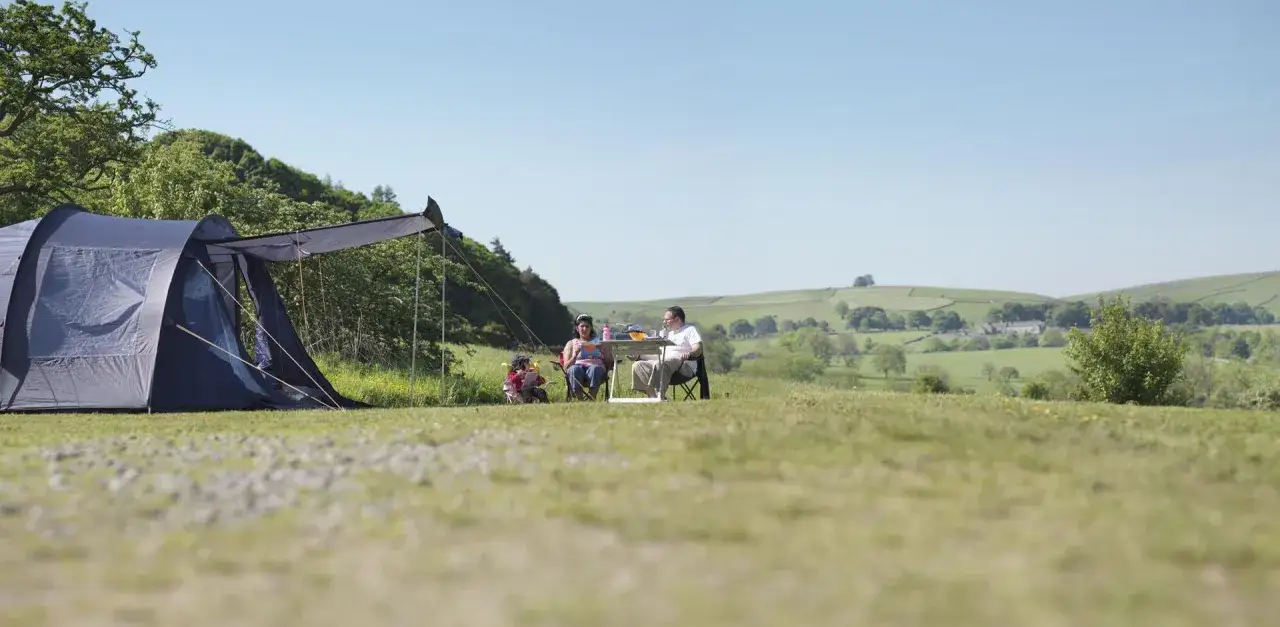
For a first solo night, I would lean toward an authorised campsite rather than a remote pitch. It removes a lot of guesswork, gives you facilities if something feels off, and makes the whole trip easier to manage when you are still learning your own routine.
| Option | Best for | Why it works | Main limitation |
|---|---|---|---|
| Authorised campsite | First-time solo campers and short breaks | Clear rules, toilets, water, other people nearby, and easier help if you need it | Less privacy and sometimes more noise |
| Backpack camping in Scotland | Lightweight overnight trips where access rights apply | Small, low-impact camping can work well if you are self-sufficient and organised | Weather, remoteness, and no facilities |
| Permission-based wild camping in England and Wales | Experienced campers who have asked the landowner | More freedom if access is agreed in advance | Permission has to be explicit, and suitable spots are not always easy to find |
Pack for weather, sleep, and the hours after sunset
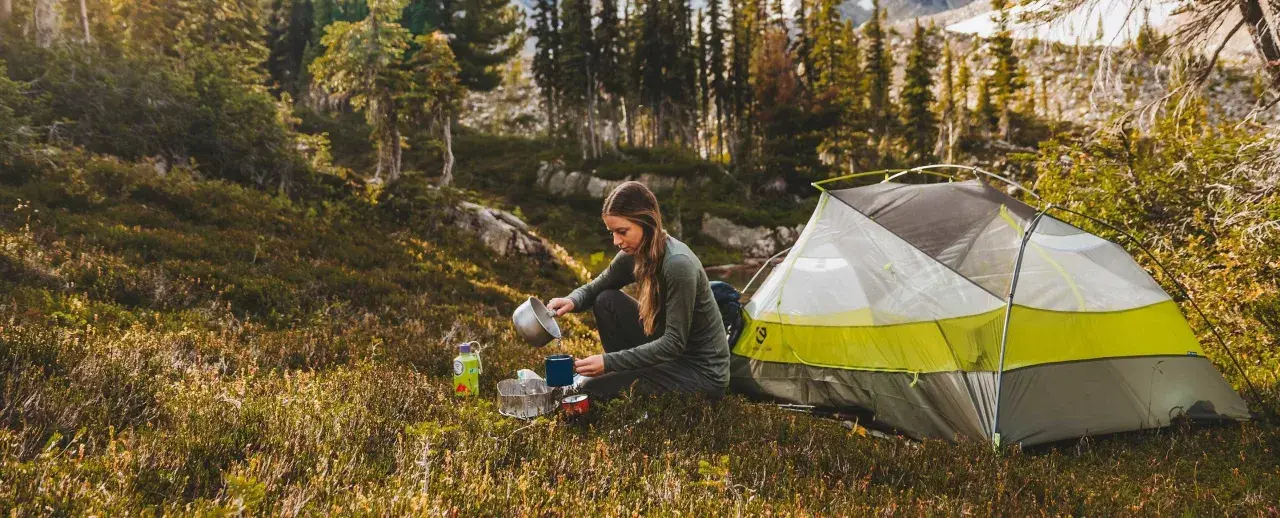
Solo camping gear should be boring in the best sense: dependable, easy to find, and not too clever. I pack for cold ground, damp air, and a long evening inside the tent, because those are the conditions that tend to expose weak planning.
- Shelter: a tent you have already pitched at home, with all pegs, guylines, and poles checked before you leave.
- Sleep system: a sleeping bag suited to the coldest night you expect, plus an insulated mat so the ground does not drain heat away.
- Clothing: one dry base layer for sleeping, a warm mid-layer, a waterproof shell, and at least one spare pair of socks.
- Light: a headtorch, not just a phone torch, plus spare batteries or a charged backup light.
- Power: a charged power bank and the right cable, kept in the same pocket every time.
- Food and water: a simple meal you know how to make, a hot drink, and enough water for arrival and breakfast. If you are unsure about taps, I would carry at least 2 litres for drinking and cooking.
- Comfort items: a mug, a small towel, earplugs if you sleep lightly, and one thing to do after dark, such as a book or notebook.
Overpacking is common on a first trip, but underpacking is worse. I would rather carry one extra dry layer than spend the night trying to improvise around bad weather. With the kit sorted, the real value comes from the safety habits you set before you ever reach the campsite.
Set up a safety routine that works even when signal is poor
The best safety routine is simple enough to repeat every time. I tell one person where I am going, where I expect to sleep, and when they should expect the next update, then I keep the same details written down offline as well as on my phone.
- Share the campsite name, arrival time, and rough return time with a trusted contact.
- Download offline maps and save the campsite layout if it is available.
- Keep emergency numbers, a grid reference, or a location app reference stored on paper too.
- Arrive in daylight so you can see the pitch, the water point, the toilets, and the exits.
- Check the weather again before bed and again in the morning, not just before you set off.
- Keep your phone, keys, headtorch, and wallet in the same place inside the tent so you can reach them without thinking.
The Camping and Caravanning Club makes a similar point in its solo travel advice: daylight arrival and live location sharing are two of the easiest ways to reduce avoidable problems. Once that routine is in place, the remaining job is making the evening feel settled rather than improvised.
Make the first evening easy on yourself
Comfort matters more than people admit, especially on the first night. When the pitch is quiet but not isolated, the tent feels like a base rather than a test, and that changes the whole mood of the trip.
- Pitch early enough that you are not finishing the setup in the dark.
- Cook something you already know how to make, even if it is plain.
- Keep one warm drink or snack for later so you do not feel stranded once dinner is over.
- Use low-stimulation activities at night; a book usually works better than endless phone scrolling.
- Go easy on alcohol, because it dulls judgement and makes a cold tent feel worse.
- If the site feels too open, choose a pitch with some natural shelter from hedges, trees, or campsite buildings, as long as those spots are still safe and allowed.
I also like to tidy the tent before I go to sleep. It sounds trivial, but a clear floor, a filled water bottle, and a torch within arm’s reach make the morning less frantic. Most solo trips become uncomfortable because of small frictions, not dramatic problems, which is why the next section is worth taking seriously.
The mistakes I see most often
Most first-time mistakes are predictable, which is good news because they are also easy to fix. The point is not to camp perfectly; it is to avoid the habits that turn a simple trip into a harder one than necessary.
| Mistake | Why it causes trouble | Better approach |
|---|---|---|
| Arriving after dark | You lose time, visibility, and confidence before the tent is even up | Plan to arrive with enough daylight to pitch calmly and learn the site |
| Choosing the hardest site first | Remote spots can be beautiful, but they also leave less room for error | Start with an authorised campsite or an easy-access pitch |
| Bringing too much gear | More kit means more clutter, more setup time, and more chances to misplace something | Take the basics you know how to use and leave the rest at home |
| Not testing equipment beforehand | A missing peg, flat battery, or awkward stove is easier to fix at home than in the field | Pretend setup at home at least once before the trip |
| Ignoring the weather after sunset | The UK often feels different by night than it does at lunchtime | Check the forecast again in the evening and pack accordingly |
| No backup plan | If the site feels wrong, you can waste time trying to force it to work | Know the nearest staffed campsite, town, or transport option before you leave |
Once those mistakes are out of the way, solo camping stops feeling like a test and starts feeling like a normal outdoor trip. That is usually the point where confidence begins to build, and it is the reason I prefer a controlled first outing to an overambitious one.
A first solo night that actually feels enjoyable
If I were planning a first solo night in the UK, I would keep it deliberately simple: one night, a legal place to stay, daylight arrival, a meal I already know how to cook, and a forecast that looks boring rather than heroic. That setup gives you space to notice what works without having to solve too many problems at once.
If you are new to solo camping, repeat the same basic setup once or twice before making it harder. Familiarity matters more than fancy gear, and good habits matter more than bravado. A quiet, well-run trip teaches you far more than a dramatic one, and that is usually how confidence grows for real.