
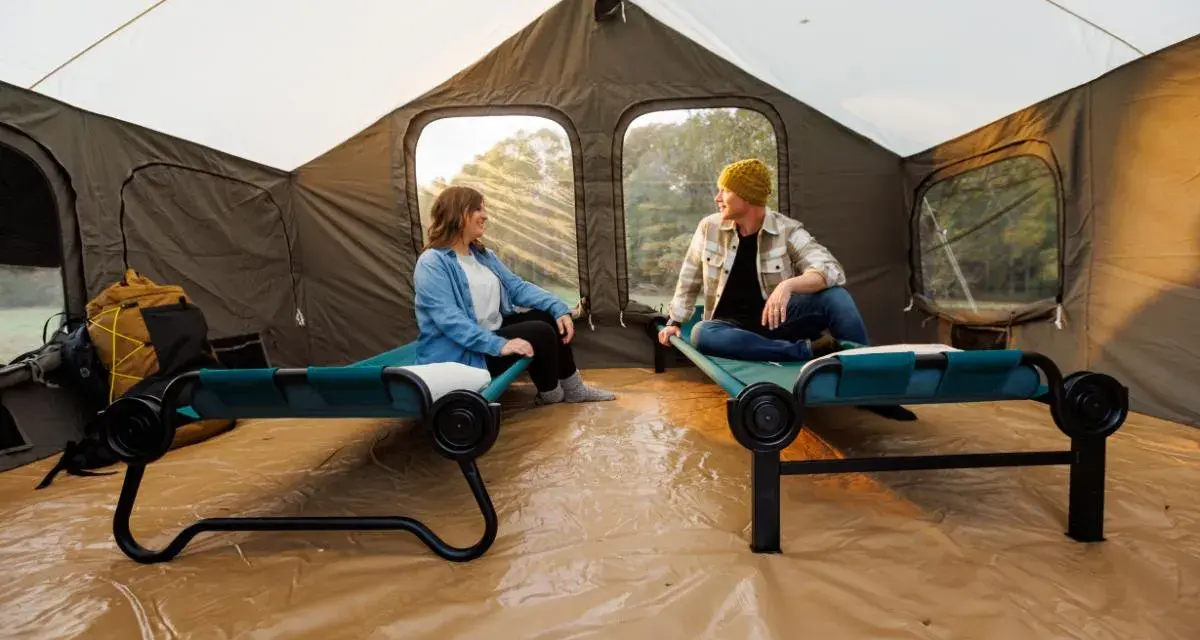
Good camping starts before the kettle boils. The small choices you make around pitch position, ventilation, sleep, and storage are what turn a damp weekend into a relaxed one, especially in the UK where wind and drizzle can show up without much warning. These tent camping hacks are the practical, field-tested changes that make a real difference, not gimmicks, and I focus here on the ones that save time, reduce clutter, and help you sleep better.
The small changes that make tent camping feel much easier
- Pitch with the wind and water in mind so your tent stays steadier and drier.
- Ventilate early and often to keep condensation from soaking the inner tent.
- Pack by system, not by pile so your essentials are easy to find after dark.
- Prioritise the sleep setup because a good mat and pillow matter more than extra kit.
- Make mornings simple with a basic kitchen and a clear routine for wet gear.
- Upgrade the few items that actually move the needle instead of buying novelty gadgets.

Pitch the tent with British weather in mind
If I only had time to improve one part of the setup, I would start here. A tent that is pitched well in a sheltered spot is calmer, quieter, and noticeably warmer, which matters on breezy British coastlines and open inland campsites alike. I look for slightly higher ground, avoid hollows where rain can collect, and keep the door facing away from the prevailing wind whenever possible.
Guylines are the ropes that stabilise a tent by spreading tension away from the fabric; they are not optional decoration. When the forecast looks doubtful, I peg them out properly before night falls, because it is much easier to adjust a dry tent in daylight than to wrestle with it in rain and fading light. I also make sure the groundsheet or footprint sits just inside the tent edge, not sticking out where it can catch runoff and funnel water underneath.
- Choose a spot that drains well rather than the lowest corner of a field.
- Face the narrowest side or door away from wind if the layout allows it.
- Use all the pegs and tension points the tent was designed to have.
- Check the flysheet is taut, because sagging fabric is where pooling starts.
- Do a full practice pitch at home before a first trip with the tent.
Once the tent itself is stable, the next battle is moisture, and that is usually what catches people out first.
Keep condensation under control before it soaks your sleeping bag
In a tent, condensation is normal: your breath adds moisture, and any cooking, damp clothing, or closed vents makes it worse. The trick is not to eliminate it completely but to stop it from becoming a problem. I keep airflow moving, even if the weather is grey, because a slightly cooler tent with moving air is usually more comfortable than a sealed tent with damp walls.
The simplest habit is to keep the vents open and avoid blocking them with sleeping bags, boxes, or jackets. If I wake up to beads of water on the inner tent, I wipe them down with a small microfibre cloth before packing anything away. That takes less than a minute and saves the frustration of stowing a wet tent body against dry layers.
- Leave top and low vents open unless the weather is genuinely severe.
- Keep wet boots and coats near the entrance, not inside the sleeping area.
- Never let a sleeping bag press hard against the tent wall if you can avoid it.
- Pack a cloth for wiping moisture from the inner and flysheet.
- Dry the flysheet and inner separately when you get home.
Once you get moisture under control, the campsite starts to feel less chaotic, which is where a small organising system pays off.
Build a small camp system so nothing gets lost after dark
I prefer a tent layout that works the same way every time. That means one place for sleep kit, one place for kitchen items, and one place for repair gear. It sounds simple, but it removes a lot of friction when you need a headtorch at 11 p.m. or a tea towel before breakfast.
Clear bags, zip pouches, and a couple of labelled stuff sacks are enough for most trips. A stuff sack is the bag that usually comes with sleeping gear or clothing, and it is far better used as an organiser than as a random storage pouch. I also keep a few high-use items visible, not buried, because the moment you start digging through a pile of mixed kit is the moment the tent feels smaller than it is.
- Use one pouch for sleep items, one for kitchen items, and one for repair bits.
- Keep toilet roll, headtorch, and spare batteries in the same known spot.
- Put reflective tape on important items if you camp in dark or rainy conditions.
- Clip a headtorch into a clear bottle or lantern sleeve to make soft tent light.
- Store one dry set of clothes in a separate bag so it stays untouched by damp gear.
That kind of structure makes the tent feel easier to live in, but comfort still depends on how well you sleep, so that is the next place I would improve.
Sleep better without buying a luxury tent
Most people blame the tent when they have a poor night, but the sleeping system is usually the real issue. A decent mat, a sensible pillow, and a few temperature tricks do more for sleep than a larger tent ever will. If you camp in the UK across spring, summer, and autumn, I would pay close attention to ground insulation first, because cold ground drains comfort quickly even when the air feels mild.
When choosing a mat, I look at R-value, which is simply a measure of how well the mat resists heat loss to the ground. For summer use, around R 2 to 3 is often enough; for cooler spring or autumn trips, I prefer something warmer. I also like a pillow that stays where I put it. A stuffed clothes bag can work in a pinch, but for regular camping an inflatable pillow or a small compressible one is worth it.
- Keep one base layer reserved for sleeping, so it stays dry and comfortable.
- Use warm socks and, if needed, a hot water bottle in a secure cover.
- Vent the sleeping bag rather than overheating and waking up sweaty.
- Use earplugs if you are on a lively campsite or camping with children nearby.
- Put the sleeping mat on flat ground before the tent fills up with bags and shoes.
When sleep is sorted, the rest of the trip becomes easier to manage, including the first cup of tea and the inevitable wet-boot shuffle at breakfast.
Make meals and mornings calmer with a simple camp routine
Camp food does not need to be elaborate to be enjoyable. What helps most is removing decisions. I pre-group breakfast items, keep mugs and tea in one container, and set up a small kitchen area that does not spread across half the campsite. That way I am not hunting for a spoon while someone else is waiting for water to boil.
A good routine also keeps dirt outside the sleeping area. I like a small mat or tray by the door for boots, and I keep a line or cord ready for tea towels, damp jackets, or kid-sized waterproofs. On family trips, that tiny bit of order matters more than most people expect, because it prevents the tent from becoming a storage cupboard.
- Pre-pack breakfast as a single kit with kettle, mugs, tea, coffee, and cereal.
- Keep a folding washing line or paracord in the car for wet kit.
- Use a separate box or bag for kitchen gear so it does not mix with clothing.
- Store snacks and water where children can reach them without opening every bag.
- Leave a small rubbish bag by the door and empty it before it becomes a mess.
With the routine in place, the final question is usually where to spend money first, because not every upgrade gives the same return.
Choose upgrades that actually earn their space in the car
If I were helping someone improve a tent setup on a sensible budget, I would start with a few upgrades that solve real problems rather than adding clutter. The best buys are the ones that either protect the tent, improve sleep, or make night-time tasks easier. Fancy extras rarely beat that combination.
| Upgrade | Typical cost | What it improves | Best for |
|---|---|---|---|
| Footprint or groundsheet | £10-25 | Protects the tent floor and keeps packing cleaner | Most weekend campers |
| Reliable headtorch | £10-30 | Makes late-night movement and chores much easier | Everyone |
| Microfibre towel | £5-15 | Dries condensation, wet surfaces, and gear quickly | Wet-weather trips |
| Tent repair kit | £8-20 | Handles small tears, snapped pole issues, and wear | Longer or remote trips |
| Inflatable pillow | £15-40 | Improves sleep without taking much space | Light sleepers and families |
If your budget is tight, I would buy in this order: headtorch, footprint, repair kit, pillow. That sequence gives you the biggest practical gain fastest, and it keeps the tent usable even when conditions are less than perfect.
The few things I would never skip on the next UK pitch
For a weekend in the UK, I would rather have a well-pitched tent, dry sleep system, and organised kit than a pile of specialist gadgets. The most useful habits are boring in the best way: pitch with the wind, keep airflow moving, protect the floor, and make the sleeping area easy to reset each morning. Those small decisions are what make a trip feel smooth instead of stressful.
- Test the full setup at home before the first night away.
- Carry one small repair kit so minor damage does not end the trip early.
- Keep one dry outfit untouched for sleep or bad-weather changes.
- Give yourself extra time for packing down, especially after rain.
If you build your setup around those basics, camping becomes simpler almost immediately, and the tent starts feeling like a comfortable base rather than a place you have to manage.
