
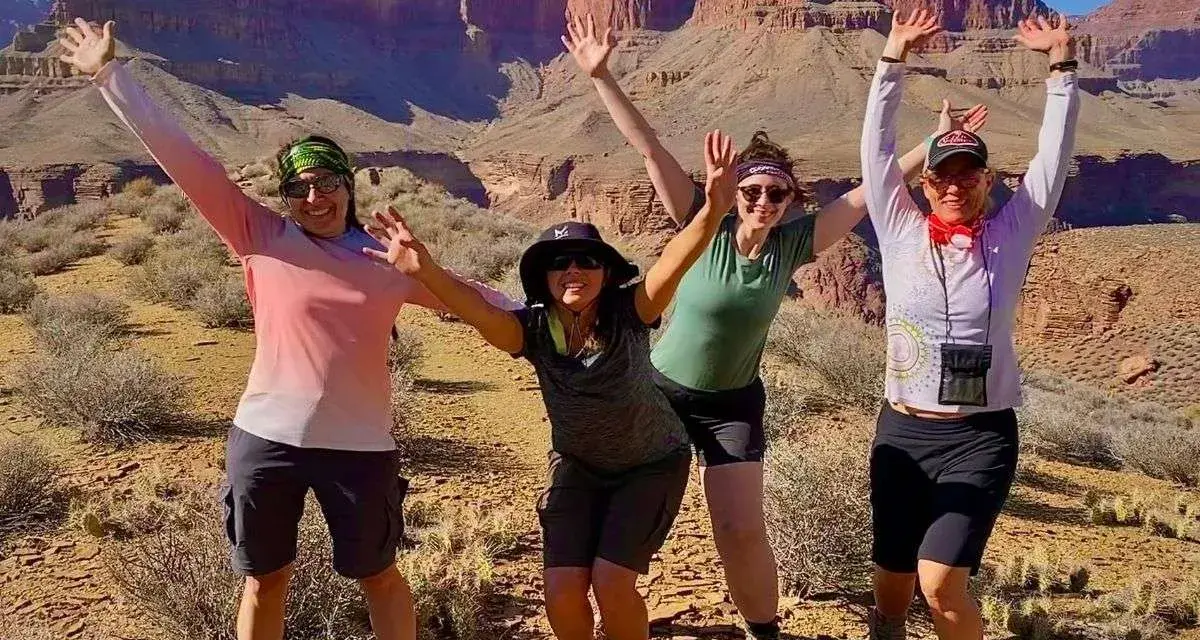
The quickest way to dress for a hot hike is to prioritise breathability, coverage, and fast-drying fabrics
- Start with a moisture-wicking top in synthetic fabric or light merino wool rather than a heavy cotton tee.
- Choose light colours and a looser fit so your clothing reflects heat and lets air circulate.
- Use sun protection intelligently with a UPF-rated shirt, a wide-brim hat, and, on exposed routes, a neck gaiter or sun sleeves.
- Pick bottoms based on terrain and exposure: shorts for airy comfort, lightweight trousers for sun, scrub, ticks, or rough paths.
- Do not ignore socks and underwear, because chafing and damp fabric usually become the real problem after the first hour.
- Bring one light extra layer if the route includes shade, wind, or a late descent, even on a warm day.
The clothing formula that works on a hot trail
When I build a warm-weather hiking outfit, I think in layers that manage three things at once: sweat, sun, and movement. The base formula is straightforward: a lightweight top, breathable bottoms, thin socks, good shoes, and one small sun-protection accessory that actually gets used. For most British summer walks and European day hikes, that means technical fabrics over cotton, light colours over dark ones, and a fit that skims the body instead of clinging to it.
| Item | Best choice | Why it works | What I would avoid |
|---|---|---|---|
| Top | Lightweight synthetic tee, sun shirt, or thin merino layer | Moves sweat off the skin and dries quickly | Heavy cotton, tight fashion tees, thick hoodies |
| Bottoms | Loose hiking shorts or lightweight trousers | Balancing airflow with protection from sun and brush | Jeans, dense leggings, anything slow to dry |
| Socks | Thin merino or synthetic hiking socks | Reduces friction and helps prevent blisters | Cotton trainer socks that soak up sweat |
| Hat | Wide-brim sun hat or cap with neck coverage | Protects face, ears, and neck, which burn quickly | Nothing at all, or a cap that leaves the neck exposed |

Choose tops that breathe and still protect your skin
The best hiking top for heat is not always the shortest sleeve; it is the one that keeps you cooler over the full walk. I often prefer a lightweight long-sleeve sun shirt or sun hoodie when the route is exposed, because it gives me airflow, sun protection, and fewer exposed patches of skin that need constant sunscreen. On a dry, shady woodland walk, a breathable short-sleeve technical tee can feel perfect. On a bright ridge or a coastal path, a thin long sleeve usually wins.Three details matter most when I choose a top:
- Fabric matters more than brand claims. Polyester and nylon blends are usually the safest bet for quick drying, while merino can be excellent if you want softness and better odour control.
- Fit should be relaxed, not baggy. A little room helps air move, but a shirt that flaps excessively can become annoying and less efficient on windy sections.
- Sun rating helps on long days. UPF 30 is decent, but UPF 50+ is better when you know you will be out for hours with little shade.
I am more cautious with cotton than many casual hikers are. Cotton can feel fine at the start of a dry outing, but once you sweat heavily it tends to stay damp, rub more, and become less predictable if the weather turns breezy or cooler later on. That does not mean cotton is unusable for every warm walk. It does mean I would not build a serious hot-weather hiking wardrobe around it. Once the top is sorted, the lower half should be chosen with the same practical mindset.
Pick bottoms that move well and do not trap heat
Shorts feel obvious in hot weather, but they are not always the best answer. On open trails with little shade, lightweight trousers can actually be the more comfortable choice because they reduce direct sun on your legs without making you feel overheated, provided the fabric is thin and breathable. I like to think of it as a trade-off: shorts give maximum airflow, while trousers often give better all-day comfort when the route is exposed, scrubby, or buggy.
| Option | Best for | Main advantage | Trade-off |
|---|---|---|---|
| Hiking shorts | Shaded trails, humid days, short outings | Great airflow and low weight | Less sun protection, more exposed skin |
| Lightweight trousers | Exposed hills, tick-prone areas, rough paths | Better coverage and often better all-day comfort | Can feel warmer if the fabric is too heavy |
| Convertible trousers | Variable routes with changing conditions | Flexible if you expect shade early and heat later | Zips can add bulk and feel fiddly |
For underwear and socks, I keep the same rule: nothing that soaks up sweat and stays wet. Thin synthetic or merino socks help more than most people expect, because feet are where a hot hike often falls apart first. A seamless or low-friction underwear choice also matters on longer walks, especially if you are carrying a pack or moving through steep terrain. If you get chafing easily, it is usually smarter to choose slightly more coverage and better fabric than to shave the outfit down to the bare minimum.
The accessories that make the biggest difference
Accessories are not decoration on a hot hike. They are the pieces that stop the sun from beating directly on the most vulnerable areas of your body. I would rank them like this: hat first, then neck protection, then sunglasses, then optional extras such as sun sleeves or lightweight gloves if the route is very exposed.
- Wide-brim hat: better than a baseball cap because it shades the ears and neck, not just the forehead.
- Neck gaiter or buff: useful when the sun is harsh or when you want a quick way to cover and cool the neck.
- Sun sleeves: a smart option if you prefer short sleeves but want more protection on long, exposed days.
- Sunglasses: not a clothing item in the strict sense, but they make a real difference to comfort and visibility on bright walks.
- Light pack-friendly layer: a featherweight shell or long-sleeve overshirt can save the day if the weather shifts after lunch.
One detail I like to stress is that sun coverage and cooling are not opposites. A thin long-sleeve shirt and a ventilated hat can feel cooler than a sleeveless top under strong sun, because they reduce how much heat your skin absorbs in the first place. That is especially relevant on family hikes, where people often underestimate how quickly children and less-hardened walkers can burn. The right accessories help prevent that mistake, but the wrong ones can still undo a good base outfit.
What I would avoid on a hot hike
Most hot-weather hiking mistakes are clothing mistakes that seem harmless at the start. They usually show up later as wet fabric, rubbing, or a body that feels far hotter than it should. If I had to strip the bad choices down to a short list, it would look like this:
- Heavy cotton tees that hold sweat and stop drying when you need them to.
- Dark, thick fabrics on exposed routes, because they absorb more heat and often feel oppressive by midday.
- Tight leggings or jeans when the trail is hot and the climb is long, since they restrict airflow and can make chafing worse.
- Oversized but non-technical clothing that traps heat without actually venting well.
- Brand-new socks or shoes on a warm hike, because blister risk rises quickly when your feet are sweating more than usual.
There is also a subtle error I see often: dressing for the start of the walk instead of the middle. A trailhead at 9 a.m. can feel pleasant, but by 1 p.m. the same outfit may be too warm, too damp, or too unforgiving in the sun. I would rather begin slightly underdressed but protected by good fabric than overdressed in something stiff and slow to dry. That leads naturally to the last question, which is what I would actually pack for a typical warm day out.
The small kit I would pack for a British or European summer walk
For a straightforward day hike in warm weather, I keep the kit simple and practical. My default setup is a light sun shirt or breathable tee, quick-dry bottoms, thin hiking socks, a sun hat, sunglasses, and one extra layer folded into the pack in case the trail changes elevation or the weather turns breezy. If the route is exposed, I swap the tee for a long-sleeve UPF top and add a neck gaiter. If it is more shaded and humid, I may choose shorts and a lighter top, but I still avoid anything cotton-heavy or overly tight.
That is usually enough for most summer walks across the UK and much of Europe. The real goal is not to wear less; it is to wear smarter, so your clothes work with the heat instead of against it. If you get that part right, the hike feels easier before you have even reached the first viewpoint.
