
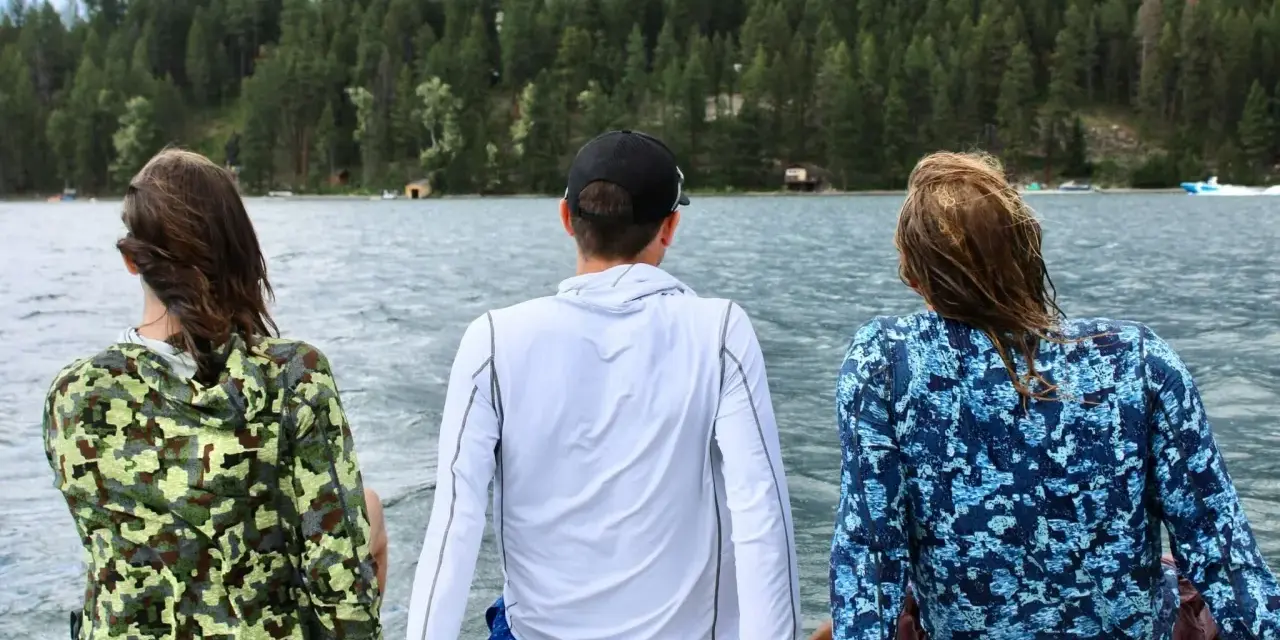
When the temperature climbs, the wrong outfit turns a walk, a campsite breakfast, or a long transfer day into hard work. The right hot-weather clothing does three jobs at once: it lets sweat evaporate, keeps direct sun off the skin, and avoids trapping heat around the body. This guide looks at cooling clothing for extreme heat in a practical way, so you can choose pieces that actually help on hiking days, family camping trips, and travel across warmer parts of Europe.
The fastest way to stay cooler is to dress for airflow, shade, and sweat management
- Loose, light-coloured layers beat heavy, dark clothing in almost every heatwave scenario.
- Evaporative cooling helps most in dry heat and with airflow, but it weakens in muggy conditions.
- UPF 30-50+ shirts and wide-brim hats are usually better value than expensive gimmicks.
- Moisture-wicking fabrics matter more when you are active, carrying a pack, or walking uphill.
- Cooling vests and towels are useful tools, but they work best as part of a simple system, not on their own.
What cooling clothing actually does in extreme heat
In practice, hot-weather clothing helps in three ways. First, it reduces the amount of solar energy hitting your skin. Second, it moves sweat away from the skin so evaporation can do its job. Third, it gives heat somewhere to escape instead of trapping it under tight, heavy fabric.
That is why the current UK guidance still starts with the basics: loose, light-coloured clothing and cooler activity timing. I think that matters because the best-looking technical garment is still a poor choice if it clings, soaks, or blocks airflow. The goal is not to feel cold. The goal is to keep your body from climbing toward the danger zone.
Cooling clothing is most useful when it works with your body’s own cooling system, not against it. If you are already dizzy, nauseous, or confused, gear is no longer the main answer. At that point you need shade, hydration, and a proper cool-down plan, which I’ll come back to later.

Which fabrics and cuts are worth buying
I would start with fabric, then fit, then features. A lot of buyers do the reverse and end up paying for marketing language instead of comfort. The strongest rule is simple: if you are going to sweat, choose something that dries quickly and does not stick to the body.
| Fabric or build | Why it helps | Where it falls short | Best use |
|---|---|---|---|
| Linen or very airy cotton | Feels light, breathes well, and works nicely when you are mostly resting or walking slowly | Can hold moisture and feel heavy once soaked through | Campsite downtime, travel, low-output days |
| Merino wool | Handles odour well and stays comfortable across changing temperatures | Usually costs more and is not always the fastest-drying option | Multi-day trips, mixed weather, repeat wear |
| Polyester or nylon wicking knit | Moves sweat quickly and dries fast | Can feel warm if the cut is tight or the fabric is heavy | Active hiking, family walks, travel days with plenty of movement |
| Loose sun hoodie or long-sleeve technical shirt | Combines shade, airflow, and basic sun protection | Feels warmer than a sleeveless top if the material is poor or the fit is close | Long exposure in open sun, especially on trails and beaches |
The fit matters as much as the fibre. I usually look for clothing that hangs slightly off the body, especially around the chest, back, and underarms. Woven fabrics with some texture often breathe better than dense, smooth fabrics because they create a little space for air to move. That said, cotton and linen can still be very good choices if the day is more about sitting, strolling, or relaxing than sweating hard.
The features that make a real difference
Once the fabric makes sense, I look for features that help the garment keep working after an hour or two in the sun. Some of these are genuinely useful. Others are just nice on a product page.
- UPF 30-50+ matters if you are outside for long stretches. It does not cool you by itself, but it reduces the heat load from the sun.
- Vent panels and mesh sections help air move through the garment when you are walking or climbing.
- Zip necks let you dump heat quickly without taking the whole top off.
- Moisture-wicking construction matters most when you are active, because it moves sweat away from the skin faster.
- Cooling towels and evaporative inserts add short bursts of relief when you can wet them and get airflow.
- Cooling vests can be useful, but they are best when you will be stationary, working hard, or exposed to heat for long periods.
Evaporative cooling means water slowly evaporates from the fabric and pulls heat away from the body. Phase-change material is different: it absorbs heat as it changes state, then needs to be recharged in a fridge, freezer, or cooler. That makes phase-change gear more controlled, but also more expensive and less convenient. In the UK market, I would expect a decent sun shirt to sit around the low tens of pounds, while cooling vests can easily move into the higher end of the budget range, especially once you get into more advanced systems.
How I would choose gear for different hot-weather days
I do not think one outfit solves every heat problem. A campsite day, a steep hill walk, and a long city transfer all ask for slightly different choices. The point is to match the clothing to the amount of movement, the amount of shade, and how long you will be stuck in the heat.
- For active hiking, I prefer a light wicking shirt, loose shorts or trousers, and a hat that shades the face and neck. This is the situation where fast drying matters most.
- For campsite downtime, a linen shirt or airy cotton top can feel better than technical fabric, especially if you are not sweating hard. Comfort and breathability matter more here than maximum wicking.
- For family travel and sightseeing, I like clothing that looks normal enough to wear all day but still dries quickly after a burst of activity. That flexibility matters when plans change.
- For people who run hot or need to carry children, I would prioritise airflow, shade, and faster drying over style-first pieces that trap heat.
The main mistake is buying a single “cooling” top and expecting it to solve everything. A more useful approach is to build a small summer system: one technical top for movement, one relaxed top for downtime, and one hat that you actually like wearing. That mix is usually more effective than a one-item miracle purchase.
Where cooling gear works well and where it falls short
Cooling clothing is not magic, and the conditions matter. In dry heat with a bit of breeze, evaporative tools can feel surprisingly effective. In humid air, or on a still campsite afternoon with no wind, the same garment can underperform because sweat does not evaporate as easily.
| Condition | What tends to work best | Why |
|---|---|---|
| Dry, sunny heat | Sun hoodie, loose long sleeves, damp cooling towel | Evaporation and shade both help a lot |
| Humid, still air | Fast-drying fabrics, vented shirts, lighter layers | Evaporative cooling loses efficiency when the air is already full of moisture |
| Long, low-output days | Linen, cotton, or merino blend tops | Comfort can matter more than high-performance sweat management |
| Hard uphill walking | Light synthetics or merino with a loose fit | Bulk and slow drying become problems when you are working hard |
| Stationary work or waiting in heat | Evaporative vest or phase-change vest | Active cooling is more worthwhile when you cannot keep moving to create airflow |
This is where people often misjudge cooling vests. They can be excellent for outdoor workers, long queue days, or situations where you will be stuck in the sun, but they are not always the best answer for a summer walk with the family. If the vest is heavy, awkward, or needs constant recharging, the real-world comfort gain can shrink fast.
A practical kit for UK heatwaves and southern trips
If I were packing for a hot spell in the UK or a campsite further south, I would keep the kit tight and sensible. The idea is to cover the biggest causes of overheating without filling the bag with niche gear you only use once.
- One UPF 50+ sun shirt or sun hoodie for long exposure and active movement. Typical UK pricing is often around £30-£60.
- One relaxed camp shirt or linen top for evenings, breakfast, and lower-output days. Expect roughly £25-£70 depending on fabric quality.
- One wide-brim hat that shades the face, ears, and neck. This often does more than a second shirt would.
- One cooling towel for quick neck or wrist cooling. A sensible range is usually about £10-£25.
- Optional evaporative vest if you will stand, wait, or work in heat for hours. Many sit in the £50-£120 range, with more advanced systems climbing higher.
- Optional phase-change vest if you want more controlled cooling and do not mind the price or recharge routine. This is the least casual option and the one I would buy last.
If the budget is limited, I would buy the shirt and hat before I bought the vest. That is the best value order for most campers and walkers. A good top plus a proper hat solves more heat problems than flashy cooling technology does.
What I would pack first for a heatwave campsite
The simplest system usually wins: put the sun-protective layer on early, keep it loose, change out of wet clothing before it turns clammy, and use shade as part of the outfit rather than as an afterthought. That is the real value of cooling clothing for extreme heat: it buys you margin, not miracles.
If I wanted one extra habit that makes a noticeable difference, I would plan around the hottest part of the day. The NHS still advises avoiding direct sun between 11am and 3pm when possible, and that advice matters just as much at a campsite as it does in the garden. Start early, rest in the middle, and keep a dry spare top in the bag so you are never forced to stay in sweat-soaked fabric longer than necessary.
For family trips, I would also keep the kit boring on purpose: light colours, loose fits, a hat that stays on, a bottle of water nearby, and one cooling item that is easy to use without fuss. That is usually enough to turn a rough heatwave day into a manageable one.
