
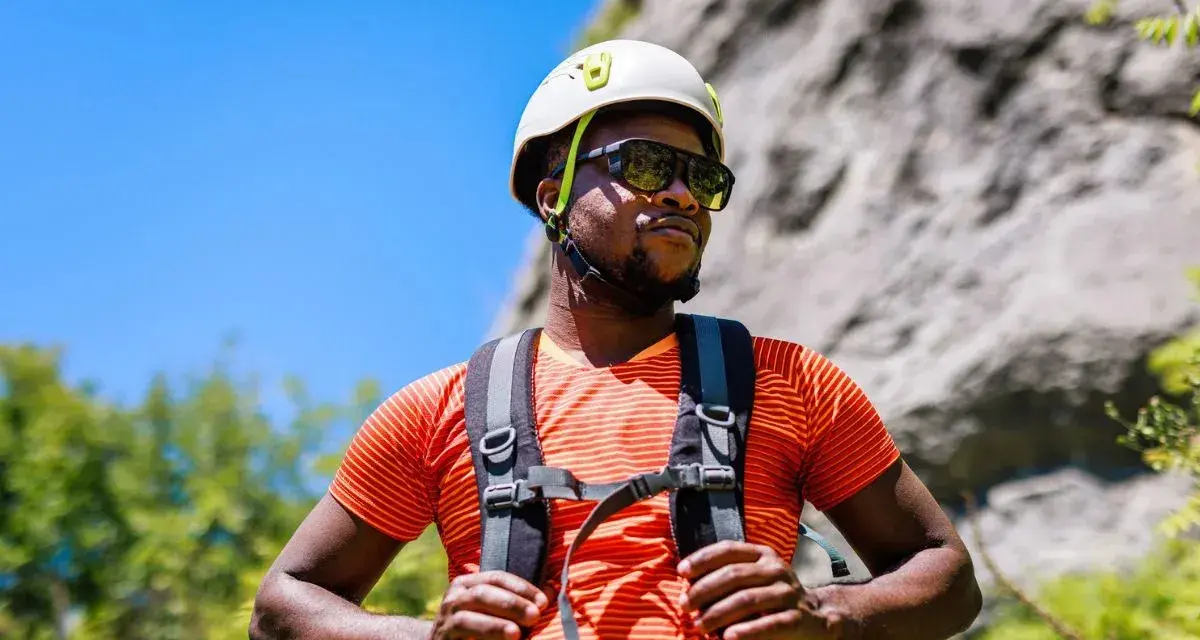
Hot-weather hikes can be genuinely enjoyable, but only if you respect how quickly heat changes the effort, the pace, and the margin for error. This guide to hiking in hot weather covers the decisions that matter most: when to start, what to wear, how much to drink, how to spot heat stress early, and when to call it a day. I’ve written it for British summer walks, longer backpacking trips, and family outings where comfort and safety matter as much as distance.
The safest summer hikes are built around shade, water, and an early finish
- Start early and avoid the strongest sun, especially between 11am and 3pm.
- Choose shaded or lower routes before you choose longer or more exposed ones.
- Carry more water than you think you need, and drink before you feel thirsty.
- Wear light, loose, quick-drying clothing, a brimmed hat, and sunscreen.
- Stop at the first signs of heat stress rather than trying to push through.
- For backpacking, reduce daily mileage and plan water sources more carefully than usual.
Why heat changes the hike more than most people expect
Heat is not just a comfort issue. It raises your heart rate, makes the pack feel heavier, increases fluid loss, and pushes you towards fatigue earlier than you’d expect on the same route in cooler weather. I treat the first hot outings of the season as an adjustment period, not a fitness test, because the body often needs around 10 days to 2 weeks to acclimatise properly.
That matters even more on family walks and backpacking trips. Children tend to notice thirst and fatigue later than adults, while backpackers carry more weight and spend longer exposed to the sun. On a hot day, a route that feels “easy” on paper can become slow, draining, and riskier than it looks from the car park. Once you accept that, the next step is simple: plan the day around the heat instead of hoping to outlast it.
Choose the coolest route, not the longest one
The Met Office advises avoiding exercise between 11am and 3pm when the sun is strongest, and that is sensible trail advice too. In practice, I’d rather start early, finish early, and pick a route with shade than commit to a scenic exposed line that looks fine at breakfast and punishing by midday.
| Route type | Why it works in heat | Trade-off |
|---|---|---|
| Woodland or valley loop | Shade, more frequent cover, and a lower heat load on steady climbs | Can feel slower and may be muddier after rain |
| Exposed ridge or summit route | Good only if started very early or on a cooler day with a breeze | Full sun, little shelter, and more dehydration risk |
| Route with water and bailout points | Useful for longer days because you have more options if the temperature climbs | Water sources may be seasonal or unreliable, so check carefully |
I also look for a realistic turn-back time before I set off. If I know the trail will cross open ground after lunch, I plan to be back under trees or in the car before the day peaks. That approach is boring in the best way, and it usually makes the difference between a good walk and a miserable one.
Once the route is sensible, the gear you carry starts to matter much more than the scenery you hoped for.
Pack to stay cool rather than just prepared

On hot days, I think in terms of cooling, shade, and easy access. A pack can be “well equipped” and still be awkward if the water is buried, the sun cream is hard to reach, or the clothing traps heat.
- Light, loose, quick-drying clothing in synthetic fabric or fine merino, rather than heavy cotton that stays damp and clingy.
- A brimmed hat that shades your face, ears, and neck. A baseball cap is better than nothing, but less protective.
- Sunglasses and sunscreen, ideally broad-spectrum SPF 30 or higher, reapplied when sweat has washed it off.
- Accessible water, not just a full reservoir at the bottom of the pack.
- Electrolytes for longer or sweatier outings, especially if you are hiking for several hours in strong heat.
- A wet buff or bandana that can sit on the neck for extra cooling when shade is limited.
- Simple, salty food that is easy to eat when appetite drops.
For backpacking, I’d go one step further and keep the load as light as I reasonably can. Heat makes every unnecessary kilo feel worse, so I’d rather trim luxury items than carry them through a still, humid afternoon. The point is not to pack more; it is to make cooling and drinking easier while you’re moving.
Even with the right kit, hydration can still go wrong if you only drink when you feel thirsty.
Drink and eat before you think you need to
I plan fluids in hours, not in vague encouragements. A practical starting point is about half a litre per hour for moderate effort in mild conditions, rising towards a litre per hour or more if the day is hot, the climb is sustained, or the pack is heavy. That is not a number to chase blindly; sweat rate, body size, wind, shade, and fitness all change the picture.
What matters more is the pattern. Small, frequent sips usually work better than waiting until lunch and then trying to catch up. On longer hikes, I also prefer electrolytes because you are replacing salts as well as water, especially if you are sweating heavily. For a backpacking day, I think about food in the same way: sandwiches, wraps, fruit, crackers, nuts, and other easy snacks that you can actually stomach in the heat.
I try not to rely on plain water alone for very long hot days, and I never let myself get so far behind that I need to “make up” hydration quickly. If you are already dizzy, cramping, or nauseous, you are no longer in normal trail-management territory. That leads straight into the part of the topic I take most seriously: reading the warning signs early.
Recognise the warning signs and stop early
UKHSA’s advice for heat exhaustion is straightforward: move the person to a cool place, cool the skin with water and fanning, and stay with them until they improve. If someone is faint, I’d also have them lie down and raise their feet slightly. The key is not to keep walking and hope it passes.
| What I see | What it may mean | What I do |
|---|---|---|
| Heavy sweating, thirst, headache, mild dizziness | Early heat stress | Stop, find shade, loosen layers, sip water, and slow the pace immediately |
| Nausea, cramps, fatigue, clammy skin, rising pulse | Heat exhaustion | Rest now, cool actively with water and fanning, and do not continue climbing |
| Confusion, collapse, trouble walking, very hot body | Possible heatstroke | Call 999 in the UK and cool the person aggressively while waiting for help |
One important point people miss: a person can still be sweating and still be in danger. Don’t wait for dry skin, and don’t assume a short rest fixes everything. If symptoms are getting worse, or if there is confusion or collapse, I treat it as an emergency, not a break.
That is why I use a simpler plan for family walks and backpacking days than I would on a cool-season outing.
How I’d adjust the plan for family walks and backpacking
For family walks, I shorten the objective on purpose. A good hot-day family route is often one with shade, water, and an easy exit, not the most ambitious loop on the map. I build in a break every 30 to 45 minutes, carry extra snacks, and keep the pace low enough that children are never forced to “catch up” to the plan.
For backpacking, I reduce mileage without apology. Hot miles count as harder miles, and a route that looks manageable in cool weather can be draining once the sun sits high and the air goes still. I also check water availability more carefully than usual, because a stream shown on a map is not always a reliable source in late summer. If the route depends on exposed climbs after lunch, I prefer to start before dawn or choose a different line altogether.
- Family day walk: keep it short, shaded, and flexible.
- Backpacking day: start earlier, carry a realistic water load, and reduce daily distance.
- Either way: set a turn-back time before you leave.
- Either way: decide in advance what will make you stop, rest, or retreat.
The core of hiking in hot weather is not toughness; it is pacing, shade, and a willingness to change the plan before discomfort becomes a problem. If the day only works when everything goes perfectly, it is not a good summer plan. If it still works when you slow down, drink steadily, and cut the mileage a little, that is the version I trust on the trail.
