
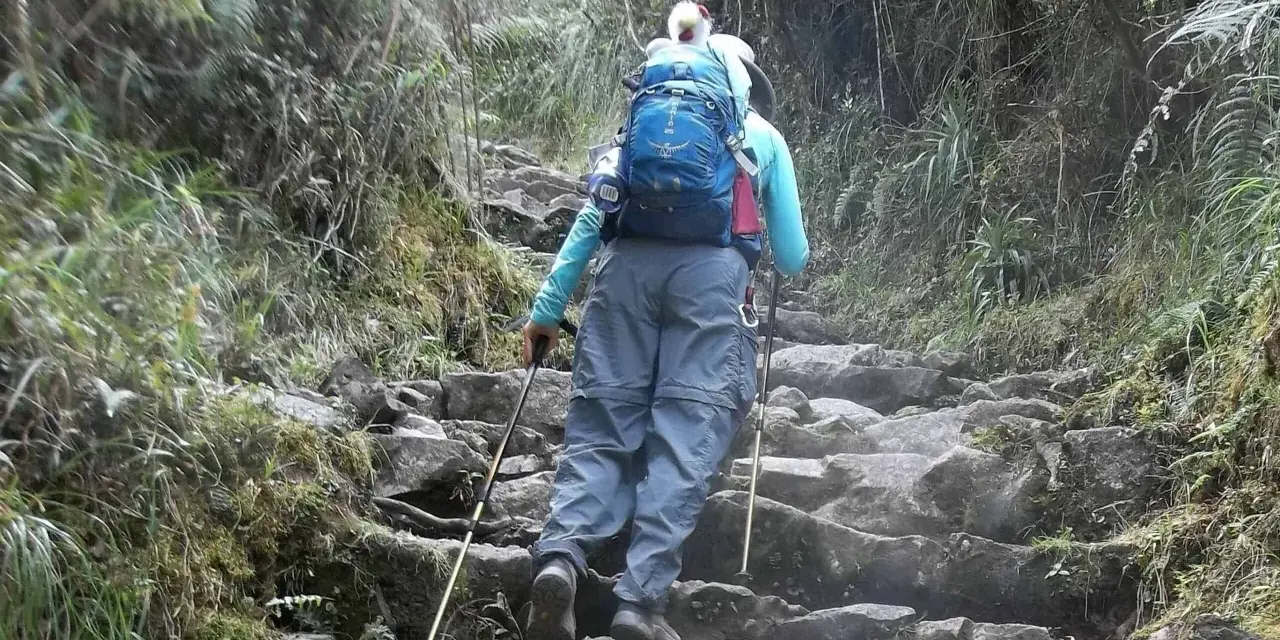
Good training for hiking is less about heroic gym sessions and more about preparing for three things the trail always asks for: steady climbing, controlled descending, and time on your feet. I build hike prep around those demands because British hills can be short and sharp, the ground can be uneven or wet, and a pack changes the job fast. In this guide, I focus on the exercises, pacing, and practical habits that make a first long walk feel manageable instead of punishing.
The most useful things to get right before the trail
- Build a base of brisk walking or other moderate cardio, then add hills and stairs.
- Train the muscles that matter most on a hike: glutes, quads, calves, hips, and core.
- Practice descending as well as climbing, because the way down can be tougher than the way up.
- Increase distance gradually and keep recovery days in the plan.
- For backpacking, rehearse with the pack, footwear, and food you will actually use.
What your body needs from a hike
I treat a hike as a low-tech endurance event. The work is not just "walking"; it is repeated stepping up, braking on the way down, and keeping your balance when the surface turns muddy, loose, or uneven. That means the best preparation is a mix of aerobic fitness, leg strength, balance, and mobility, not one long weekend walk and a hope for the best.
The climb asks for stamina in the heart and lungs, but it also asks for force from the legs. The descent is different. Your quads have to control your body weight while they lengthen, which is called eccentric work. That is the part many people undertrain, then feel it the next day in their knees and thighs. Add a pack, and the shoulders, back, and hips start doing more than most beginners expect.
On rough ground, balance matters as much as raw fitness. A strong but wobbly hiker still wastes energy. A slightly slower hiker with good foot placement and stable hips often lasts longer and feels better at the end. Once you think about hiking that way, the training plan becomes much clearer, and the weekly routine starts to look practical instead of mysterious.
A weekly base that fits most hikers
The NHS recommends 150 minutes of moderate activity a week plus strengthening work on at least 2 days a week, which is a sensible starting point for hike preparation. I would use that as a floor, not a ceiling. If you can already walk comfortably, the real goal is to make those walks more specific: include hills, carry a little weight, and keep enough rest to recover properly.
| Day type | Session | Why it helps |
|---|---|---|
| 2 strength days | 30-45 minutes focusing on legs, hips, and core | Builds climbing power and pack-carrying support |
| 2-3 cardio days | 30-60 minutes of brisk walking, incline work, cycling, or easy jogging | Improves breathing efficiency and leg endurance |
| 1 longer walk | 60-120 minutes on mixed terrain | Teaches pacing, foot durability, and time on your feet |
| 1 mobility or recovery day | 10-20 minutes of easy movement, stretching, or complete rest | Prevents the "trained but tired" feeling |
If you are returning to exercise after a long break, keep the first two weeks deliberately easy. I would rather see someone finish slightly undertrained than arrive at the trailhead sore, stiff, and already irritated by the plan. If you have medical conditions or concerns, it is sensible to speak to a GP before increasing activity. Once that base is in place, the exercise choice matters more, which is where the trail-specific work comes in.
Exercises that transfer to the trail
The most useful exercises for hikers are boring in the best way. They are the ones that mimic what your body has to do outdoors: step up, step down, stabilise on one leg, and resist the sideways wobble that comes from carrying weight on uneven ground. I would prioritise these before anything flashy.
| Exercise | Trail payoff | How I would use it |
|---|---|---|
| Step-ups | Builds the ability to climb rocks, roots, and stone steps | 2-4 sets of 8-15 reps on each leg |
| Split squats or reverse lunges | Improves single-leg strength and balance for uneven terrain | 2-3 sets of 6-10 reps on each side |
| Slow step-downs | Trains downhill control and quad endurance | 2-3 sets of 8-12 reps on each side |
| Calf raises | Helps with ankle stamina, climbs, and long days in boots | 2-3 sets of 12-20 reps |
| Side plank or dead bug | Builds core stability under a backpack | 2-3 sets of 20-40 seconds |
| Single-leg balance | Improves control on loose ground and narrow paths | 30-60 seconds on each leg |
If I only had 20 minutes, I would still do step-ups, slow step-downs, and one core move. That trio covers more real hiking demand than a random full-body circuit. The slow step-down is especially useful because it trains the controlled lowering that protects your knees on descents. That is the part people often feel most on steep British hills, and it is also the part that usually gets ignored in the gym.
Keep the movements controlled at first. Better mechanics beat heavy weight. Once you can repeat the session without soreness lingering for days, add a little load or another set. That simple progression works better than trying to "prove" fitness in week one.
A simple four-week build-up for a first serious walk
For a modest day hike, four weeks of steady work can be enough to feel much more confident. For backpacking or a steeper objective, I prefer a longer runway. REI's backpacking plan starts eight weeks out, and that is a sensible benchmark if you want to carry a pack rather than just walk a loop. The structure below works as a compact version of that idea.
| Week | Main focus | What to do |
|---|---|---|
| Week 1 | Set the base | 2 strength sessions, 2 cardio sessions, 1 longer easy walk, 1 recovery day |
| Week 2 | Add hills | Keep the same structure, but add stairs, incline walking, or a hill route to one cardio session |
| Week 3 | Practice time on feet | Do your longest walk of the month, ideally on terrain that looks like the hike you plan to do |
| Week 4 | Taper and sharpen | Reduce volume by about 30-40%, keep movement light, and arrive fresh instead of fatigued |
If your goal is backpacking, I would shift the final two weeks toward pack walks. That is when the load matters most. Start with a light daypack, then move toward the weight you will actually carry. The aim is not to "smash" training; it is to make your body familiar with the rhythm of walking under load so the first full day out does not feel like a shock.
For family walks, I would make the same plan even simpler: shorter distance, gentler hills, and a route with an easy exit if the weather turns. The best training plan is the one that helps you finish with energy left, not one that leaves everyone counting the last half-mile.

How to train with a pack, hills, and real weather
British trails are rarely neat. They are damp, sometimes slippery, and often more uneven than they looked on the map. That is why I want hikers to practise in conditions that feel closer to the real thing. A park loop has value, but a hill path, a flight of stairs, or a muddy bridleway teaches your feet and ankles far more.
The pack matters too. A loaded rucksack changes posture, increases the work of the hips and trunk, and makes downhill control more important. A light pack is fine for basic conditioning. A heavier pack should only appear after your legs, back, and shoulders have earned it. I would never jump straight from empty shoulders to trip weight.
| Training choice | Best use | Main limitation |
|---|---|---|
| Flat walking | Easy base fitness and recovery days | Does not prepare you for climbs or descents on its own |
| Hill repeats or stairs | Climbing strength and breathing control | Needs balance work and downhill practice to be complete |
| Loaded pack walks | Backpacking and longer mountain days | Requires gradual progression to avoid soreness and poor posture |
| Wet or windy practice walks | Clothing, grip, and comfort under real conditions | Should be kept shorter if conditions are severe |
The mistakes that make hikers feel fit too early
I see the same errors again and again, and most of them come from overconfidence rather than poor effort. The trail rewards consistency, not a dramatic last-minute push.
- Training only on flat ground and assuming that general walking is enough.
- Skipping downhill work, then wondering why the quads are ruined on the return.
- Adding distance or pack weight too fast, which usually leads to soreness or poor form.
- Doing one huge walk at the weekend and nothing else during the week.
- Ignoring rest days and arriving at the hike already tired.
- Using brand-new boots or a new pack on the actual day.
- Forgetting to test snacks, water, and layers before the hike matters.
The common thread is specificity. People often train in a way that feels impressive but does not map well to hill walking. A polished gym session is useful only if it supports the actual job. If the route has long climbs, your body needs climbing practice. If the route drops steeply, your quads need descent practice. If the route is remote, your kit and food need rehearsal. That is the difference between looking ready and being ready.
What I would lock in before the first long walk
In the final week, I stop trying to gain fitness and start trying to remove uncertainty. That means keeping the legs loose, the kit simple, and the plan honest.
- Do one easy walk, not a hard one, 2-3 days before the trip.
- Check the forecast and route again, especially if the terrain is exposed or muddy.
- Pack the same snacks, water, and layers you intend to carry.
- Test your boots, socks, pack fit, and pole adjustment on a short walk.
- Choose the shorter route if weather, fatigue, or family energy is lower than expected.
When I prepare this way, the hike usually feels better than expected because the work happened earlier, in small and repeatable pieces. That is the real value of hike preparation: you do not just survive the first climb, you reach the top with enough reserve to enjoy what comes after.
