
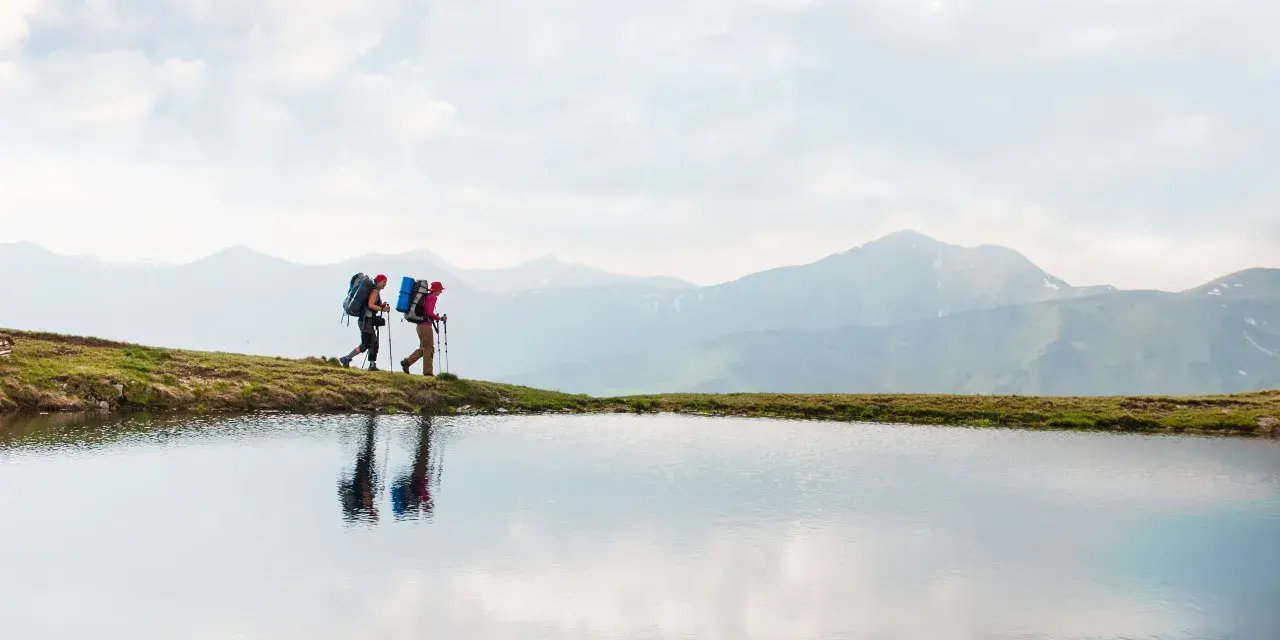
Planning how to go backpacking well starts with making the load manageable, the route realistic, and the weather part of the plan rather than a surprise. Here I am talking about backpacking as walking or trekking with everything you need on your back, not hostel travel, because the trip becomes much easier when you treat it as a simple system: route, pack, food, shelter and judgement. The sections below cover the choices that matter most for a first trip in the UK, from kit and mileage to camp rules, water and the mistakes that usually catch beginners out.
What matters most on a first backpacking trip
- Start with one overnight or a short two-night route instead of trying to prove fitness on day one.
- Keep the pack light enough that walking still feels normal after lunch, not just in the car park.
- Check the forecast and local access rules before you leave, especially in the UK.
- Carry spare socks, a waterproof layer, a light first-aid kit and a navigation backup.
- Eat more than you think you need and stop at the first sign of hot spots.
Start with the trip you can actually finish
The first decision is not what tent to buy. It is how ambitious the trip should be. I prefer a route that feels a little too easy on paper, because the first time you carry all your kit, even moderate hills, damp ground and a full day of walking will change the effort more than most people expect.
| Trip style | Good first target | Why it works |
|---|---|---|
| Day walk with a loaded pack | 8-15 km | Lets you test fit, pacing and footwear without having to manage sleep kit. |
| One-night backpacking trip | 10-15 km per day | Gives you one full camp routine, which is where most beginners learn fastest. |
| Two-night route | 10-16 km per day | Enough time to settle into a rhythm without letting fatigue pile up too much. |
| Family or mixed-ability trip | Shorter days with simple campsite nights | Keeps the experience enjoyable and reduces the chance that one tired person drags the whole plan down. |
For UK terrain, I think in metres of ascent as much as kilometres. An extra 300-500 metres of climbing can matter more than another 3-4 km on flat ground, and wet boggy sections can slow you down even when the contour lines look modest. If you are new to loaded walking, that is reason enough to keep the first outing short and the exits simple.
Once you know what a comfortable day really feels like, the gear decisions stop being abstract and become practical. That is where the pack itself starts to matter.

Build a pack that works on the trail
A good backpacking setup is less about owning the most expensive kit and more about removing every item that does not solve a real problem. I usually tell people to choose the pack after they have a rough kit list, because a bag can only carry the system you have already built.
| Item | What to look for | Why it matters |
|---|---|---|
| Backpack | 50-65 litres, adjustable torso, supportive hip belt | Carries the load without fighting your shoulders all day. |
| Footwear | Broken-in shoes or boots with grip that suit the route | Fit and friction matter more than labels, especially on mixed UK terrain. |
| Sleep system | Sleeping bag or quilt plus a mat with a realistic season rating | UK nights feel colder than many first-timers expect, even when the day was mild. |
| Shelter | Tent or tarp that handles wind and rain confidently | Weak shelter turns a normal trip into a miserable one very quickly. |
| Clothing | Base layer, insulating mid layer, waterproof shell, spare socks | Layering lets you stay warm without carrying a full wardrobe. |
| Small essentials | Head torch, phone battery, first-aid kit, lighter, repair tape | These are the items that rescue the trip when something minor goes wrong. |
For a first trip, I usually want the full load to stay around 10-12 kg if possible, including food and water, though the exact number depends on your size, the season and how much shelter you are carrying. Smaller can work if your kit is compact; bigger usually just tempts you to overpack. I care more about how the pack sits on your back after the third hour than about the brand printed on the hood.
If the load is pulling you backwards or the hip belt slips every ten minutes, the system is wrong even if the pack technically fits. Once the kit is under control, the next job is choosing a route that works in real UK conditions instead of ideal ones.
Plan a route the UK weather will not ruin
UK backpacking rewards people who plan for change. The Met Office mountain forecast is worth checking the afternoon before you leave, because hill weather can look harmless at breakfast and turn damp, windy or low-visibility by lunchtime.
- Pick a route with clear entry and exit points, ideally near public transport or a car park you trust.
- Check distance, ascent and surface, not just the headline mileage.
- Mark water sources, campsites, cafés and escape routes before you set off.
- Read the local access rules so you know whether you need a permit, a campsite or landowner permission.
GOV.UK is clear that open access land is for walking and similar recreation, but camping is not usually allowed there. That matters because a good route on paper is not a good route if you cannot legally or safely sleep where you planned.
I also build in time margin. If a route looks like a 5-hour day on the map, I plan for 6.5 to 7 hours once breaks, photos, mud and the pack itself are included. That buffer keeps the trip calm, and calm is what lets the rest of your preparation actually pay off.
Sort food, water and camp nights before you leave
Backpacking food works best when it is boring in the right way. The food should be easy to cook, easy to eat when you are tired, and dense enough that it gives you energy without filling the whole pack.
- Breakfast: oats, powdered milk, instant coffee or tea.
- Lunch: wraps with cheese, nut butter or cured meat that travels well.
- Dinner: dehydrated meals, couscous, noodles, pasta or rice with a protein add-on.
- Snacks: nuts, bars, dried fruit, chocolate and one emergency snack you do not touch unless needed.
- Water: enough capacity for your driest stretch plus a little margin.
I usually carry 1.5-2 litres on the move unless the route has dependable refill points, and I keep a filter or tablets if I am refilling from streams or remote sources. In the UK, a damp forecast does not remove the need to drink. It just makes people forget about it until their energy drops.
For a simple first night, I like one hot meal and one cold backup. A stove gives you comfort when the evening is wet or cold, but a cold meal is useful when wind or fatigue makes cooking feel like too much effort. If you are using campsites, book ahead in summer and on bank holiday weekends; if you are wild camping where it is permitted, keep the setup simple and leave the area cleaner than you found it.
Food and water are the visible part of the plan, but the smaller problems are usually what decide whether the trip feels easy or messy. That is the next thing I watch for.
Handle safety, blisters and the small problems early
Most bad backpacking days start as manageable annoyances. A heel starts rubbing, a layer gets damp, the route takes longer than expected, and then the mood drops because nobody dealt with the problem when it was still small.
| Problem | What I do first | Why it works |
|---|---|---|
| Hot spot on the foot | Stop, dry the foot, tape or pad the friction point, retie the laces | A two-minute pause beats a two-day blister. |
| Shivering | Add layers, eat something, get out of the wind | Cold becomes harder to reverse once you are already drained. |
| Missed turn | Stop and confirm location instead of wandering | Wandering burns time, water and confidence. |
| Fatigue | Shorten the day or cut the next climb | The body is usually telling you the plan is too aggressive. |
Tell someone your route, camp plan and expected return time before you leave. If plans change, send one update when you can. I also like a small power bank, because a 10,000 mAh battery is usually enough for a short trip if you keep the phone on airplane mode when you are not using GPS or photos.
If a blister appears, I treat it as a signal rather than an inconvenience. That usually means stopping at the hot-spot stage, using tape or padding and checking the shoe fit before the damage gets worse. That small response often saves the whole trip.
Once the safety habits are in place, the first outing becomes much more predictable, which is exactly what you want when you are still learning.
A first trip plan that feels calm instead of chaotic
If I were putting together a first backpacking weekend in the UK, I would aim for one night, 8-12 km on day one, a simple campsite or legally permitted camp, and a return route that could be shortened if the weather turned. That is enough distance to feel like a real trip, but not so much that every mistake becomes expensive.
- Pack the night before and remove one item that is only there for comfort, not for a real need.
- Start walking early so you arrive with daylight to spare.
- Keep the first meal simple and reliable rather than ambitious.
- Dry damp kit before bed if you can, because wet socks and wet layers make everything feel harder.
- Check the next day’s forecast before sleeping, not after breakfast when the mood has already shifted.
- After the trip, write down what you did not use, what annoyed you and what you would change next time.
That last point matters more than people think. The best backpacking kit list is the one shaped by actual use, not by assumptions made at a desk. Start modestly, keep the system light, and let the first trip teach you what deserves a place in the pack.
