
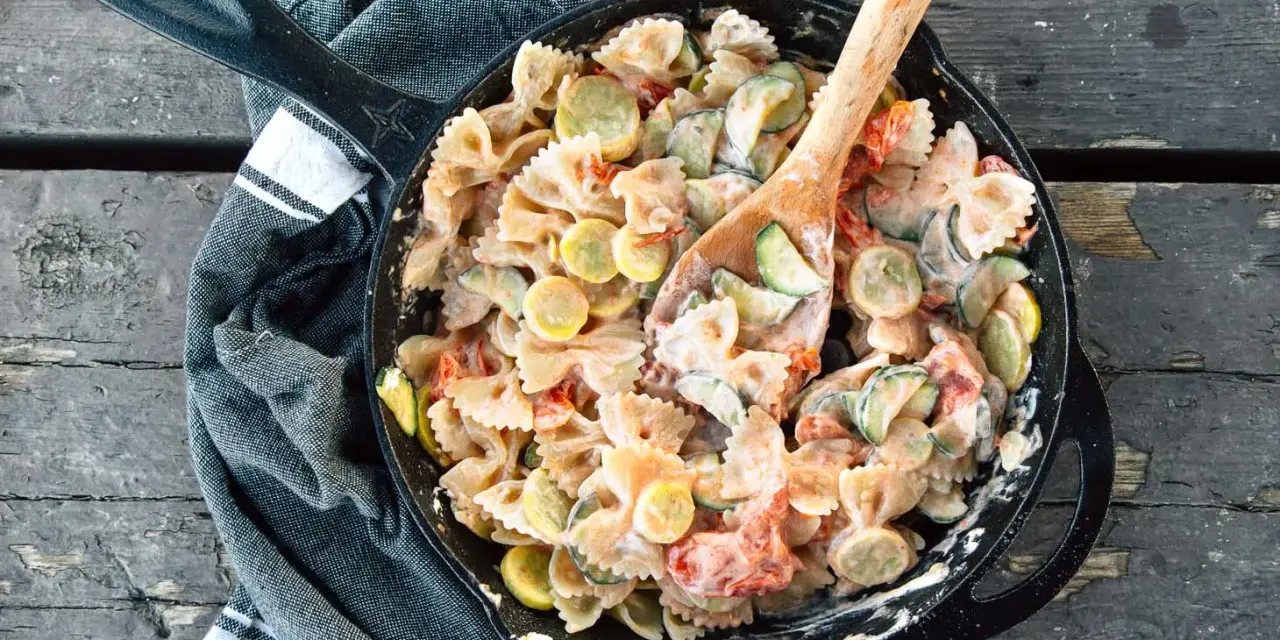
A good camping pasta meal should do three things at once: travel well, cook quickly, and leave almost no washing up behind. That is why I focus on dry pantry ingredients, short pasta shapes, and sauces that can survive limited refrigeration on a UK campsite. In this guide, I break down what works, what to pack, how to cook it with a single burner, and which mistakes waste fuel or spoil the result.
The quickest way to make campsite pasta work every time
- Choose short shapes such as penne, fusilli, or orzo because they cook evenly and are easier to stir outdoors.
- Rely on shelf-stable bases like tinned tomatoes, pesto, olive oil, stock cubes, and dried herbs.
- Use one wide pot with a lid so the pasta cooks faster and you burn less gas.
- Keep dairy, cooked meats, and other chilled ingredients below 5°C if you are taking them at all.
- Plan for minimal cleanup: one pan, one spoon, one serving bowl per person.
Why pasta earns a place in the campsite menu
Pasta works outdoors because it gives you a lot of flexibility for very little effort. I can build a proper dinner from a few dry staples, and if the weather turns, dinner still happens without relying on a complicated setup. That matters on family trips, where you may be tired, short on counter space, and cooking on a burner that is less powerful than your kitchen hob.
The real advantage is that pasta is forgiving. A tomato-based sauce can be rustic, a pesto sauce can be assembled in minutes, and a light oil-and-garlic pan sauce needs almost no equipment. It also scales well: one pot feeds two people just as easily as four, which is useful when campsite appetites are unpredictable after a long walk or a day at the beach.
I also like that dried pasta is easy to store. If refrigeration is limited, it gives you a reliable fallback, and that is exactly the kind of low-stress planning that makes camp cooking feel enjoyable rather than fiddly. Once you understand which shapes and sauces behave best, the rest becomes easy.
The shapes and sauces that behave best at camp
Not every pasta shape is equally good in a campsite setting. Long strands can be awkward in a shallow pot, and delicate filled pasta is harder to manage when you are balancing heat, wind, and limited water. I usually favour shapes that stir well, hold sauce, and cook evenly with minimal fuss.
| Shape | Why it works outdoors | Best with | My take |
|---|---|---|---|
| Penne | Short, sturdy, and easy to stir without breaking | Tomato sauce, pesto, sausage | A reliable default for most camp dinners |
| Fusilli | Holds sauce in the twists and cooks evenly | Pesto, olive oil, tuna, vegetables | One of the best choices for flavour with very little effort |
| Farfalle | Looks good and works well in family meals | Tomato sauces, peas, bacon, spinach | Handy when you want something a little more playful for children |
| Orzo or ditalini | Small and fast-cooking, ideal for one-pot absorption cooking | Brothy sauces, lemon, herbs, chickpeas | Excellent when fuel is limited and you want a softer, spoonable dinner |
| Spaghetti | Possible, but less convenient in a small camp pot | Simple olive oil sauces | I only use it when the setup is generous and I have space to stir properly |
As for sauces, I think in three families. First, the pantry sauce: tinned tomatoes, oil, garlic, herbs, and maybe a stock cube. Second, the cold-finishing sauce: pesto, hard cheese, lemon, olives, or capers added at the end. Third, the richer sauce: something with sausage, mushrooms, or a little cream, which is best only when you can keep chilled ingredients properly cold. That last point matters more than most recipe blogs admit, and I’ll come back to it later.
The one-pot method I trust when fuel and patience are limited
When I want dinner to feel easy, I use the absorption method. That simply means the pasta cooks in just enough liquid to soak it up, so I do not need to drain anything. It saves fuel, reduces mess, and gives you a thicker sauce because the starch stays in the pot instead of going down the sink.
- Heat a little oil in a wide pot and soften onion or garlic if you are using them.
- Add the dry pasta, your sauce base, and enough water or stock to nearly cover everything.
- Keep the lid on until the liquid reaches a boil, then stir regularly so nothing sticks.
- Cook until the pasta is just tender, adding a splash more liquid only if the pot looks dry too early.
- Finish with cheese, herbs, lemon, or a spoonful of pesto once the heat is off.
For a two-person dinner, I usually start with about 160 to 200 g of dried pasta, 400 g of tomatoes if I am using a tomato base, and around 500 to 600 ml of water or stock depending on the shape. Short pasta needs less fuss than spaghetti, and a wide pan is easier to manage than a deep one because the heat spreads more evenly.
The two mistakes I see most often are adding too much liquid and walking away for too long. Too much liquid gives you a soupy sauce, while too little leaves pasta stuck to the bottom. Stirring every minute or two is boring, but it is the difference between a good camp meal and a scorched one. From there, it is a short step to building actual dinners around this method.Four dinners I’d actually make on a UK trip

I like recipes that feel distinct without demanding a different shopping list for each one. On a weekend trip, I would rather carry one smart pantry than four half-used jars. These are the dishes I reach for most often because they are realistic, not just photogenic.
- Tomato, garlic, and basil penne - This is the baseline meal. It needs only dried pasta, tinned tomatoes, garlic, olive oil, and dried basil or Italian herbs. It is cheap, fast, and friendly for mixed ages, which makes it ideal for the first night.
- Pesto penne with tomatoes and artichokes - This feels more special without becoming complicated. A jar of pesto does most of the work, and a few tomatoes or jarred artichokes make it look like a proper dinner rather than a convenience meal. It is my choice when I want a richer flavour with almost no extra effort.
- Sausage and spinach pasta - Good for colder evenings and hungrier groups. Pre-cooked sausage, smoked sausage, or chorizo gives the dish depth, while spinach adds colour and balance at the end. I only use this if I can keep the meat chilled properly before cooking.
- Chickpea, lemon, and herb orzo - This is the vegetarian option I trust when refrigeration is uncertain. Chickpeas give it body, lemon keeps it bright, and orzo cooks quickly enough to suit a small burner. It is the most forgiving choice when the weather is warm and the campsite setup is basic.
If I want a creamy finish, I use a small amount of mascarpone or cream cheese only on the first night of a trip and only when the cool box has held temperature properly. Creamy sauces sound comforting, but they are less forgiving than tomato or oil-based versions, so I treat them as a luxury rather than a default.
What to pack so dinner stays simple instead of chaotic
The right pasta dish at camp usually comes from the right kit, not just the recipe. I prefer a wide saucepan with a lid, a sturdy spoon, a knife, a chopping board, and a can opener. A colander is optional if you are doing a classic boiled-and-drained version, but if you cook by absorption you can leave it behind.
For food, I would pack a small but versatile pantry: 500 g pasta, 2 tins of tomatoes, 1 jar of pesto, 1 or 2 stock cubes, olive oil, dried herbs, chilli flakes, salt, pepper, and a hard cheese such as Parmesan-style cheese or mature cheddar. If you want protein, add tinned tuna, chickpeas, or a sealed packet of pre-cooked sausage. That combination gives you several possible dinners without filling the car boot.
There is also a camping-specific trick that saves time. Prep the aromatic ingredients at home if you can, then store them in a sealed container. Chopped onion, garlic, or herbs in the fridge at home means less mess at the campsite and less chance of losing half an onion to the ground. On a family trip, that small piece of organisation often matters more than the recipe itself.
Food safety is where campsite cooking can go wrong
This is the part I do not gloss over. The Food Standards Agency advises keeping chilled food below 5°C, and it is right to be strict about that. A cool box can work for a short trip, but it is not a magic fridge, and once you start relying on dairy, cooked meat, or other ready-to-eat ingredients, the margin for error gets smaller.
My rule is simple: if I cannot keep something properly cold, I do not build the meal around it. That is why dry pasta, tinned tomatoes, pesto, lentils, and beans are such useful camp ingredients. They reduce risk and keep the menu flexible. If you do take chilled food, keep raw ingredients separate from ready-to-eat items in sealed containers so they do not contaminate each other.
Hand hygiene matters just as much as storage. Wash your hands before and after handling food, and aim for 20 seconds with soap and hot water whenever the campsite facilities allow it. If you only have wipes or hand gel, use them as a backup rather than a perfect substitute. For camp cooking, clean hands and clean utensils are not optional details; they are part of the recipe.
When I am camping in warm weather, I also keep cooked food covered and serve it promptly. Pasta dishes are best when they move straight from pot to plate. Leaving them sitting around in a hot tent, even for a short while, is how simple meals become risky ones.
The small pantry that gives you three calm dinners from one shop
If I were packing for a short UK camping break, I would build the food around a tiny core rather than a long recipe list. One bag of pasta, two sauces, one protein, and one bag of vegetables can become three different meals if you plan it sensibly. That approach keeps shopping cheap and stops every dinner from feeling like a separate project.
- Night one: penne with tomato, garlic, and basil.
- Night two: fusilli with pesto, chickpeas, and tomatoes.
- Night three: orzo with stock, lemon, spinach, and hard cheese.
The useful habit here is not memorising recipes but building a repeatable system. Once you know which shapes cook well, which sauces survive the journey, and which ingredients need genuine chilling, camp dinners become steady and unfussy. That is the real value of pasta at camp: it lets you eat well without turning the evening into a project.
