
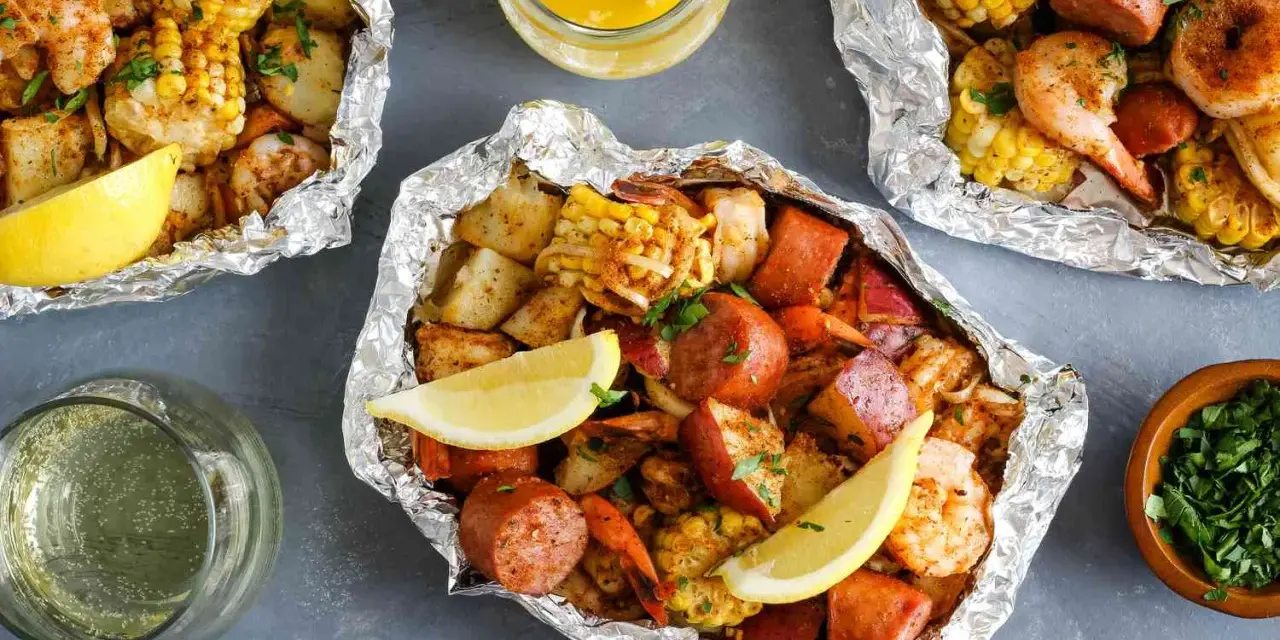
Cooking well at a campsite is mostly about reducing decisions. I build every menu around a few flexible staples: something that can be cooked in one pan, something that can be eaten cold, and something that still feels good when the weather turns damp. In this guide, I’m focusing on easy camping meals that suit UK-style family trips, work with modest kit, and keep washing-up under control.
The best camp meals are simple, flexible, and built around the kit you already carry
- One-pan and foil-pack meals are the easiest to run when wind, uneven heat, and tired campers all show up at once.
- UK staples such as eggs, potatoes, beans, wraps, pasta, halloumi, sausage, and tinned tomatoes do most of the heavy lifting.
- Make-ahead prep at home saves the most time: chop veg, portion sauces, and pre-cook anything that benefits from a fast reheat.
- A good family menu mixes one hot breakfast, one cold lunch, and one low-effort dinner so nobody feels stuck cooking all day.
- Keep cooking outside the tent, away from the walls, and give gas appliances plenty of space and ventilation.
What makes a campsite meal genuinely easy
When I plan camp food, I ask three questions: can I make it with one pan, can I prep part of it at home, and will it still taste fine if dinner runs ten minutes late? If the answer is yes, it earns a place on the menu. That filter matters because campsite cooking is rarely perfect: the stove is less forgiving, the wind is annoying, and nobody wants a recipe that depends on a calm kitchen and a pile of clean utensils.
The best options usually share five traits. They need 5 to 7 ingredients at most, take 20 minutes or less of active cooking, and can survive a little improvisation if you have to swap mushrooms for peppers or pasta for couscous. I also like meals that land in the rough £2 to £5 per person range when bought from a normal UK supermarket, because camping already comes with enough incidental costs.
- Short ingredient lists
- One pot, one pan, or one foil parcel
- Fast cleaning
- Ingredients that overlap across meals
- Room for substitutions
Once those basics are in place, the real question becomes which format is easiest for the kind of trip you are actually taking.

Meal formats that work best when you are cooking outside
I usually build a campsite menu around four formats. They do not all need the same kit, and that is exactly why they work.
| Format | Why it works | Best examples | Trade-off |
|---|---|---|---|
| One-pan meals | Everything cooks in a single skillet or saucepan, so washing-up stays tiny. | Chilli mac, breakfast hash, pesto pasta, chickpea curry. | You need to watch the heat a bit more closely. |
| Foil packets | Good when you want simple prep and almost no cleanup. | Sausage and potato packets, salmon parcels, mixed veg with butter and herbs. | They cook unevenly if the fire or stove is too hot in one spot. |
| Cold assembly meals | No cooking, which is ideal on arrival day or during a hot lunch. | Wraps, ploughman’s plates, salads, sandwiches. | You need a decent cool box and fresh ingredients. |
| Make-ahead and reheat meals | Most of the work is done at home, so the campsite job is just warming through. | Stews, curry, rice, pulled pork, soup. | They depend on good food storage and a little planning. |
If I had to pick only two formats for a family trip, I would choose one-pan meals and cold lunches. That combination covers the moments when people are hungry, impatient, and not interested in a full production.
From there, the useful part is not theory but actual meal ideas that fit those formats without creating extra work.
Breakfasts, lunches, and dinners that travel well
The best campsite recipes are the ones that feel familiar enough to please everyone, but simple enough that you do not need to think hard after a long drive or a muddy walk. I like to split the day into three practical jobs: a quick breakfast, a lunch that can be assembled with almost no effort, and a dinner that tastes like proper food without demanding a full kitchen.
Breakfasts that get everyone moving
- Beans on toast with fried eggs - It is cheap, filling, and very forgiving. If the pan is small, cook the eggs first and warm the beans in the same pan.
- Breakfast hash - Dice potatoes, onion, and a little bacon or chickpeas, then finish with eggs. It works because the ingredients are basic and the texture feels hearty on a cool morning.
- Overnight oats - Mix oats, milk or yoghurt, fruit, and a spoon of honey in jars before you leave. This is the best no-cook option when the stove needs a break.
- Bacon and egg wraps - Faster than a full fry-up and much easier to eat outside. They are especially good if you are trying to get out for a hike early.
I tend to prep any chopped veg at home for breakfast, because it removes the fiddly part when everyone is standing around hungry.
Lunches that stay easy when the day gets busy
- Halloumi burgers - Quick to grill, satisfying for vegetarians and meat-eaters alike, and easy to pair with salad or tomato relish.
- Ploughman’s-style plates - Cheese, apples, crackers, pickles, ham, and tomatoes. There is no real cooking, which is exactly why it works after a morning walk.
- Tuna sweetcorn wraps - Mix the filling at home, pack it cold, and assemble on site. Wraps are cleaner than bread when you are eating outdoors.
- Soup in a flask with bread - A smart option for colder weather or longer drives because lunch is ready before you even unpack the stove.
Lunches like these are useful because they stop the trip becoming a constant queue for the single pan.
Dinners that feel proper without turning into a project
- One-pan chilli mac - Brown the mince or beans, add tomatoes, stock, and pasta, then let the pot do the rest. It is comforting and scales well for families.
- Sausage, peppers, and potatoes - A solid all-in-one skillet meal that uses British staples and does not need fancy seasoning to work.
- Chickpea curry with rice - Best when you want something filling, vegetarian, and easy to reheat. A jar of curry paste saves time without making the meal taste flat.
- Jacket potatoes with beans, cheese, or coleslaw - They are slower than pasta, but they are low-effort and feel like a real dinner, especially after a wet day.
- Pesto pasta with peas and spinach - Fast, familiar, and easy to adapt with whatever vegetables are left in the cool box.
If you want one rule of thumb, make dinner the meal that uses the smallest number of moving parts. That keeps the evening calm and leaves more energy for the part of camping people actually remember.
Snacks and sweet extras that do not create more washing-up
- Flapjacks or oat bars
- Fruit that travels well, like apples, clementines, and bananas
- Bananas split and warmed with chocolate or peanut butter in foil
- Trail mix with nuts, seeds, raisins, and a few chocolate pieces
I keep these on hand because they rescue long travel days and stop people from turning dinner into an emergency.

A simple two-day menu for a family camping trip
When I plan for a weekend in the UK, I like to cover the first arrival meal, one full cooking day, and one low-effort breakfast before heading home. This is the kind of menu I would happily pack for four people without feeling overcommitted.
| Meal | What I would pack | Why it works |
|---|---|---|
| Day 1 lunch | Wraps with ham, cheese, cucumber, and hummus. | No stove needed, so everyone eats quickly after arrival. |
| Day 1 dinner | Sausage, peppers, onions, and baby potatoes in one skillet. | It feels like a proper meal without needing lots of pots. |
| Day 2 breakfast | Beans, eggs, toast, and fruit. | Fast, familiar, and filling enough for an active day. |
| Day 2 lunch | Halloumi burgers or ploughman’s plates with salad and crackers. | Easy to assemble and easy to eat between activities. |
| Day 2 dinner | Chickpea curry with rice and naan. | Low effort, good for leftovers, and simple to scale up. |
| Day 3 breakfast | Overnight oats and flapjacks. | Very little washing-up on departure morning. |
For four people, that kind of menu usually means ingredients that overlap: 8 sausages, 600g baby potatoes, 2 peppers, 2 onions, 8 eggs, 400g pasta or rice, 2 tins chopped tomatoes, 1 tin chickpeas, 8 wraps, 1 block of halloumi, a loaf of bread, salad, hummus, fruit, and a few snacks. The overlap matters because one ingredient should ideally solve more than one meal.
A menu like that only works smoothly if the kit and pantry are trimmed to match, which is where most first-time camp cooks either save time or create extra work.
What to pack so cooking stays simple
Good camp food depends less on clever recipes than on having the right few tools within reach. I do not pack much, but I do pack deliberately.
Cooking kit
- 1 frying pan or skillet
- 1 saucepan with a lid
- 1 knife and 1 chopping board
- 1 silicone spatula and 1 pair of tongs
- 1 tin opener, lighter or matches, and a tea towel or kitchen roll
- 2 or 3 reusable tubs for leftovers and chopped ingredients
- 1 cool box or insulated bag with ice packs
- Foil, zip bags, and a bottle opener if you need it
Read Also: Easy Camp Food - Simple UK Camping Meals & Tips
Staples that cover most meals
- Eggs, bread, wraps, oats, pasta, rice, couscous
- Tinned beans, chickpeas, tomatoes, tuna, and sweetcorn
- Cheese, halloumi, yoghurt, and butter
- Potatoes, onions, peppers, mushrooms, and salad leaves
- Pesto, curry paste, mustard, ketchup, olive oil, salt, and pepper
The overlap matters. If the same onion, cheese, and wrap can support breakfast, lunch, and dinner, you waste less space and end up with fewer leftovers. I also try not to bring anything that needs its own special tool unless it is doing serious work for the menu.
Once the kit is trimmed down, the next improvement comes from avoiding the mistakes that turn simple food into a chore.
Keep the stove and food safe without making camp life harder
Camp cooking should feel relaxed, but it should never be casual about fire or food safety. I always keep cooking outside the tent, away from tent walls and dry grass, because the margin for error is smaller than it feels. UK fire guidance also says gas cylinders should be stored outside, away from sunlight and frost, and changed outdoors or in a well-ventilated area.
- Never cook inside a tent.
- Keep the stove away from flammable materials and long grass.
- Do not use candles in or near the tent.
- If you are using bottled gas, check the connections before you start and turn the gas off in the correct order when you finish.
- Keep raw meat separate from ready-to-eat food and wash your hands or use sanitiser before handling snacks and bread.
- Do not leave chilled food sitting in the sun; if a cooler is struggling, simplify the menu rather than risking it.
I treat safety as part of the recipe, not an extra step. Once the basics are covered, the rest of the trip feels easier because you are not second-guessing the stove or the cooler.
How I would build the calmest possible camp menu for your next trip
If I had to strip the whole thing down, I would plan around four meals: one make-ahead dinner, one cold lunch, one fast breakfast, and one backup meal that works if the weather turns or everyone arrives late. The backup could be pasta, beans on toast, or a curry that only needs reheating. That small buffer is what keeps a campsite menu from falling apart.
The easiest way to think about camp cooking is overlap. Buy ingredients that can do double duty, prep the time-consuming bits at home, and keep one-pan dishes at the centre of the plan. That is what makes easy camping meals genuinely useful: they lower the number of decisions, the amount of washing-up, and the chance that a windy evening turns dinner into a chore.
