
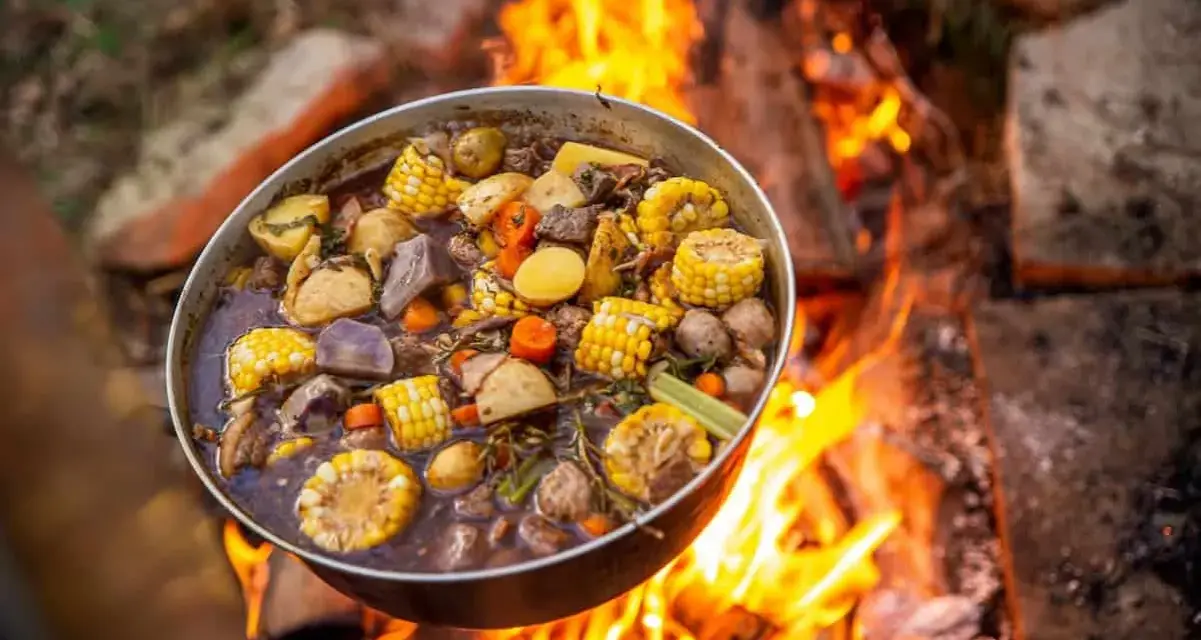
Good camp cooking is less about complicated recipes and more about meals that hold up when the weather turns, the stove is small, and everyone is hungry at different times. If you want camping meals that feel generous without turning the pitch into a kitchen, I focus on a simple mix of make-ahead breakfasts, low-fuss lunches, and one-pan dinners that suit UK campsites and family trips.
The quickest route to better camp food is a tight menu and the right ingredients
- Build every meal around one clear job: fuel the day, feed people fast, or use leftovers well.
- Keep a camp cupboard of oats, pasta, rice, tortillas, beans, tinned fish, onions, potatoes and hard cheese.
- Plan for the UK reality: wind, rain, limited worktop space, and a cool box that is not a fridge.
- Use low-wash-up dishes first, then layer in a few fresher ingredients for the first day or two.
- Keep chilled food below 5°C and separate raw meat from ready-to-eat food.
- For family camping, the best menu is usually the one that can be assembled quickly under pressure, not the fanciest one.
What makes camp food work at the pitch
I judge outdoor food by three things: how quickly it comes together, how little washing up it creates, and how forgiving it is when the weather or timing goes slightly wrong. A campsite dinner that needs six pans and perfect heat control may look good on paper, but it is usually the first meal to annoy everyone.
| Meal style | Best for | Why it works | Main trade-off |
|---|---|---|---|
| One-pot dinner | Arrival night, windy evenings, family trips | Fast, filling, and easy to scale up | Can feel heavy if you overdo pasta, rice or sauce |
| No-cook lunch | Walk days, beach days, late starts | No stove needed and minimal cleanup | Depends on sturdy ingredients and sensible packing |
| Make-ahead breakfast | Early departures, children, cold mornings | Speeds up the first hour of the day | Needs prep at home, which some campers forget to budget for |
| Foil packet meal | Campfire evenings or a simple gas stove setup | Compact, flexible, and easy to portion | Cooking times vary more than with a skillet |
That framework matters because it keeps you from packing ingredients that only look versatile. Once the structure is set, the next question is which foods earn space in the box in the first place.
The ingredients I keep in a camp cupboard
The Camping and Caravanning Club’s staple list is a useful reality check: bread, eggs, fruit, vegetables, cheese, potatoes, cereal, oats and pasta do a lot of the heavy lifting. I agree, but I also like to think in combinations rather than individual items, because good camp food is usually built from a small number of ingredients that can be reused in different ways.
| Ingredient | Why I pack it | Best use |
|---|---|---|
| Oats | Cheap, filling, and unaffected by a warm tent | Breakfast porridge, overnight oats, flapjack-style snacks |
| Pasta | Cooks quickly and stretches protein or vegetables | Hot dinners, cold pasta salads, next-day lunch boxes |
| Tortillas | Take less space than bread and survive the bag well | Wraps, quesadillas, breakfast roll-ups |
| Tinned beans or chickpeas | Reliable protein without strict chilling needs | Skillets, stews, pasta, wraps |
| Tinned fish | Fast protein for lunch or dinner | Salads, pasta, toast, rice bowls |
| Potatoes | Cheap, sturdy, and excellent for one-pan cooking | Hash, foil packets, breakfast skillets |
| Onions and garlic | Improve almost everything with very little effort | Base for sauces, stews and pan meals |
| Hard cheese | Travels better than soft cheese and adds instant flavour | Wraps, pasta, toast, gratin-style dishes |
| Apples, citrus and carrots | Last longer than delicate fruit and add crunch to lunch | Snacks, sides, picnic-style meals |
My rule is simple: pack one or two fresh ingredients for the first day, then lean on shelf-stable staples for everything else. That keeps the menu realistic, and it gives you enough flexibility to cook proper food instead of improvised leftovers.

Three recipes I would actually cook at camp
These are the kinds of recipes I trust on a campsite because they scale easily, do not need specialist equipment, and do not fall apart if dinner runs ten minutes late. None of them is precious; that is exactly the point.
Sausage, bean and tomato skillet
Serves 4. Prep time: 10 minutes. Cook time: 20 minutes. This is one of my favourite first-night dinners because it feels substantial without requiring much from you after the drive.
- 8 sausages, pork or vegetarian
- 1 tbsp oil
- 1 onion, sliced
- 1 red pepper, sliced
- 2 garlic cloves, chopped
- 1 tsp smoked paprika
- 2 x 400g tins chopped tomatoes
- 1 x 400g tin cannellini beans, drained
- 2 handfuls spinach
- Salt and black pepper
- Bread or rolls, to serve
- Brown the sausages in a large skillet or pan until they are well coloured.
- Add the oil, onion and pepper, then cook until softened.
- Stir in the garlic and paprika for 30 seconds.
- Add the tomatoes and beans, then simmer until the sauce thickens and the sausages are cooked through.
- Stir in the spinach at the end, season well, and serve with bread.
I like this dish because it is forgiving. If you need to stretch it, add more beans or serve it with toast. If the evening is colder than expected, it becomes even better.
Pesto pasta with chickpeas and courgette
Serves 4. Prep time: 10 minutes. Cook time: 15 minutes. This is a smart lunch or quick dinner when you want something fresh but still filling.
- 300g dried pasta
- 1 tbsp oil
- 2 courgettes, sliced into half-moons
- 1 tin chickpeas, drained
- 200g cherry tomatoes, halved
- 3 tbsp pesto
- Juice of half a lemon
- 50g hard cheese, grated, optional
- Salt and pepper
- Cook the pasta in salted water until al dente.
- Meanwhile, fry the courgette in oil until it starts to colour.
- Add the chickpeas and tomatoes, then warm through.
- Drain the pasta, reserve a splash of cooking water, and toss everything together with pesto and lemon juice.
- Use a little pasta water to loosen the sauce if needed, then finish with cheese if you are using it.
I prefer this over a cream-based pasta at camp because it is lighter, easier to store, and still tastes complete. It also works cold the next day, which is useful when breakfast starts late and lunch needs to be fast.
Read Also: Perfect Campfire Apple Crisp - No More Soggy Topping!
Breakfast hash with eggs and potatoes
Serves 4. Prep time: 15 minutes. Cook time: 20 minutes. This is the kind of breakfast that gets people moving without demanding too much attention.
- 500g waxy potatoes, diced small and pre-cooked or parboiled at home
- 1 onion, chopped
- 1 pepper or 200g mushrooms, sliced
- 4 eggs
- 4 rashers bacon or 100g chorizo, optional
- 1 tbsp oil
- Salt, pepper and parsley
- Heat the oil and cook the onion until it begins to soften.
- Add the potatoes and cook until crisp on the edges.
- Stir in the pepper or mushrooms, and bacon or chorizo if you are using it.
- Make four small wells in the hash and crack in the eggs.
- Cover the pan briefly until the eggs are set to your liking, then season and finish with parsley.
This is a strong breakfast for cold mornings because it combines protein, carbs and a little fat in one pan. It also uses potatoes well, which matters when you want a meal that feels like proper food rather than a snack stretched too far.
How I handle food safety when the fridge is a cool box
This is the part that is easy to ignore when the menu planning is fun, but it matters more than most people think. The Food Standards Agency is clear that chilled food should stay below 5°C, and a cool box is best treated as a short-term solution rather than a real fridge for an extended stay.
| Food-safety risk | What I do | Why it helps |
|---|---|---|
| Raw meat leaking onto other food | Pack it in sealed bags at the bottom of the cool box | Stops cross-contamination |
| Frequent opening of the box | Keep drinks and snacks in a separate bag or cooler | Reduces temperature swings in the main box |
| Warm food going into storage | Cool leftovers before packing them away | Slows bacterial growth |
| Overpacked perishables | Bring fewer fresh items and shop again if needed | Makes the menu safer and less stressful |
I also follow one simple rule from the Camping and Caravanning Club: keep drinks and snacks separate so the main cool box is not opened every ten minutes. That sounds minor, but it makes a real difference on hot days and it keeps the colder section useful for longer.
My practical approach is to cook the most fragile ingredients first, then move toward shelf-stable meals as the trip goes on. If the campsite has electricity, I would absolutely use a camping fridge; if it does not, I would keep the menu tighter rather than trying to force a full supermarket shop into a cool box.
The small habits that make camp cooking feel effortless
The biggest improvements usually come from boring decisions made before you leave home. I prep onions, peppers and potatoes in advance, I portion spices into small containers, and I think about how one ingredient can do two jobs. A bag of tortillas can become breakfast wraps, lunch quesadillas or a side for a stew; a tin of chickpeas can move from salad to pasta to skillet without any drama.
- Cook one meal at home before you leave if the first day is going to be long.
- Pack a breakfast that needs no chopping, and a lunch that needs no heat.
- Choose at least one dinner that can absorb extra vegetables, because campsite appetites are unpredictable.
- Keep one pan free for boiling water, because tea, coffee and washing up all need it at some point.
- Use hard cheese, citrus and herbs to lift simple food without carrying extra sauces.
- For families, let children assemble wraps, sprinkle cheese or choose fruit for lunch; involvement usually reduces resistance at mealtimes.
When I plan this way, the food stops being a problem to solve and becomes part of the trip’s rhythm. That is the real goal: meals that are easy to cook, pleasant to eat, and simple enough that you still have time for the walk, the beach, or the last bit of daylight before the tent zips shut.
