
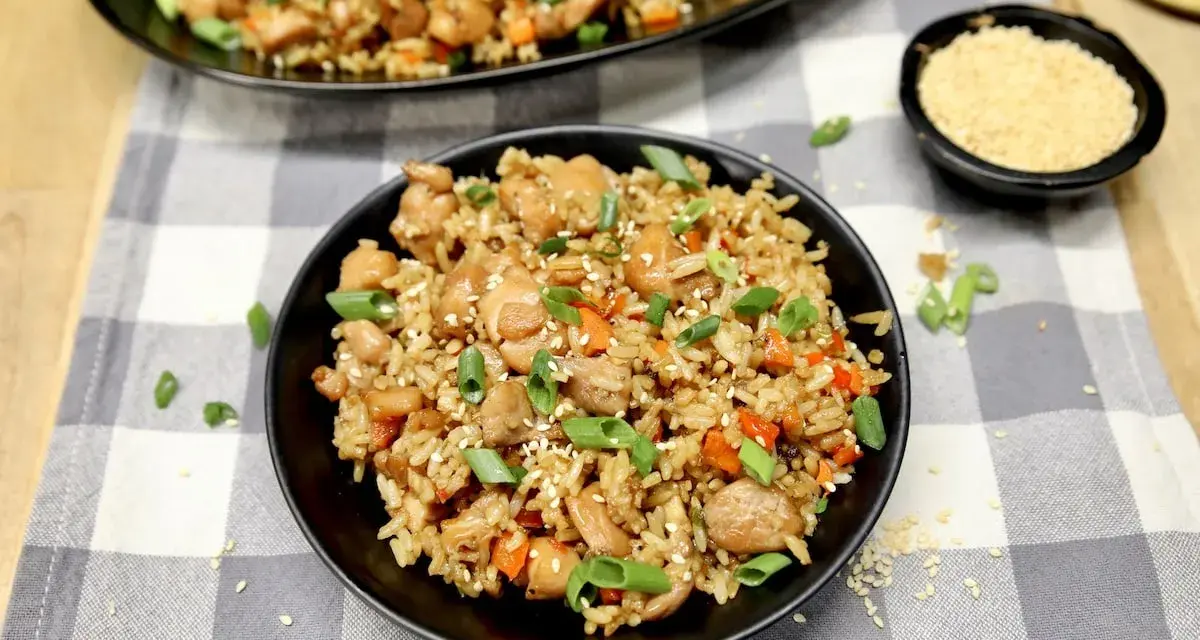
Cooking rice on a Blackstone is really about texture and timing. The best results come from chilled grains, enough oil to coat the surface, and a hot flat-top that can fry rather than steam. This guide shows how to cook rice on Blackstone in a way that works for camp cooking, family meals, and quick outdoor dinners.
What matters most before the rice hits the griddle
- Use cooked, chilled rice; fresh rice turns sticky and soft too easily.
- Run the griddle at medium to medium-high heat so the grains fry, not burn.
- Keep ingredients prepped before you start, because the cooking moves fast once the rice goes on.
- For a campsite, make the rice ahead, chill it quickly, and finish it on the flat-top in about 10 to 15 minutes.
- If you want plain rice, the griddle is the wrong tool for starting from raw grain.
Why chilled rice works better on a flat-top
The first thing I look at is moisture. A Blackstone gives you direct, dry heat, which is perfect for separating grains and adding a little toasted flavour, but it is not designed to trap steam the way a saucepan or rice cooker does. That is why cold, cooked rice performs so much better than fresh rice straight from the pot.
Long-grain rice, especially basmati, is my default for campsite cooking in the UK because it stays light and separate. Short-grain rice can work, but it is more likely to clump, and on a busy griddle that makes the job harder than it needs to be. Blackstone’s own recipe pages follow the same logic: chilled rice, medium to medium-high heat, and a fast stir-fry rather than a slow cook.
| Method | Best for | What you get | My take |
|---|---|---|---|
| Chilled cooked rice on the open griddle | Fried rice, quick camp meals, leftovers | Separate grains, light crisp edges, fast cooking | The best all-round choice |
| Raw rice directly on the griddle | Not much | Uneven cooking, dry outsides, underdone centres | I would not recommend it |
| Cooked rice finished in a covered pan on the griddle | Reheating or softening a batch | Softer texture, gentle heat, more steam | Useful only if you want a covered finish |
Once that rule is clear, the rest becomes much easier: choose the right rice, cool it properly, and use the griddle for frying rather than boiling. From there, the prep matters more than the technique.
What to prep before you heat the griddle
When I cook this outdoors, I set everything out first. By the time the griddle is hot, I want the rice broken up, the vegetables chopped, and the seasoning already mixed. That way I am not standing over the heat while the first batch starts to dry out.
| Ingredient | Amount for 3 to 4 servings | Why it helps |
|---|---|---|
| Cooked, chilled rice | 300 to 400 g | Loose grains fry cleanly and do not clump as easily |
| Neutral oil | 2 tbsp | Keeps the rice from sticking and helps it toast |
| Onion, pepper, or spring onion | 1 small onion or 1 cup chopped veg | Adds sweetness and freshness without making the dish heavy |
| Eggs | 2 | Gives the rice body and a classic camp-style finish |
| Soy sauce | 1 to 1.5 tbsp | Seasoning and colour without flooding the rice |
| Optional protein | 150 to 250 g cooked chicken, bacon, prawns, or ham | Makes it a full meal with very little extra work |
I also like to cool rice in a shallow tray so steam escapes quickly. The NHS advises cooling rice within 1 hour and storing it in the fridge for no more than 24 hours, which is the standard I follow when I batch-cook for a campsite. That matches the Food Standards Agency’s advice to chill rice quickly and keep it hot until serving or refrigerate it promptly.
If you are packing for a trip, a flat container is better than a deep tub because it keeps the grains loose. I would rather spend two extra minutes on prep at home than spend ten minutes breaking up a sticky block beside the van. With the kit ready, the actual cooking is straightforward.
The easiest Blackstone method for camp-style fried rice
- Preheat the griddle to medium-high heat and add 1.5 to 2 tbsp of oil. You want an immediate sizzle, not a smoky blast.
- Cook the aromatics first. Add chopped onion, spring onion whites, carrot, or pepper and cook for 2 to 3 minutes until they soften slightly. Move them to a cooler zone if your griddle has one.
- Add the chilled rice in a thin layer. Break up any clumps with your spatula, then let it sit for 30 to 45 seconds before tossing. That short pause helps the bottom side pick up a little colour.
- Season lightly with soy sauce, a small knob of butter, or a few drops of sesame oil. Add the sauce around the edges of the rice instead of dumping it in one spot.
- Scramble the eggs in an open patch on the griddle, then fold them through the rice. If you are adding cooked chicken, bacon, or prawns, combine them now.
- Finish and serve with spring onion greens or a little black pepper. The whole cook usually takes 10 to 15 minutes once the griddle is hot.
I usually cook in two smaller batches if I am feeding a family. Overcrowding is the fastest way to turn fried rice into steamed rice, and on a campsite that means you lose the texture you came for. If the rice looks dry, I add a teaspoon of oil, not a splash of water, because extra liquid works against the griddle’s strengths. That leads straight into the main limitation of the method.
Why raw rice is a poor fit for direct griddle cooking
I want to be blunt here: a Blackstone is excellent for finishing rice, but it is not a good tool for cooking raw grain from scratch. Raw rice needs controlled water absorption and trapped steam. A flat-top gives you neither, which is why the outside can dry out before the inside is ready.
If your goal is plain, fluffy rice rather than fried rice, cook it in a saucepan, rice cooker, or covered pot first, then bring it to the griddle only if you want to add butter, herbs, peas, or a little colour at the end. That is the cleanest way to keep the texture right. Once you accept that boundary, the common mistakes become much easier to avoid.
The mistakes that cause soggy or clumpy rice
- Using rice that is too fresh. Warm rice holds too much surface moisture and clumps as soon as it hits the metal.
- Adding too much sauce. A heavy pour of soy sauce or stock turns the rice soft and grey instead of lightly seasoned.
- Overcrowding the cooking area. One big mound steams itself; two smaller piles cook more cleanly.
- Stirring constantly. Let the rice sit briefly so it can pick up a little toast and lose excess moisture.
- Running the heat too high. If the griddle is smoking hard, the outside burns before the rice is properly heated through.
The fix is usually simple: colder rice, less liquid, more space, and a shorter cooking time. If the rice still clumps, I press it flat for a few seconds, break it apart with the edge of the spatula, and keep moving. Once those basics are under control, flavour variations become the fun part.
Camp-friendly flavour directions that still stay simple
I do not think this dish needs to be complicated. For camp cooking, the best versions are the ones that use a short ingredient list and ingredients you can pack without fuss. These are the combinations I reach for most often.
| Version | What to add | Why it works outdoors |
|---|---|---|
| Classic egg and spring onion | Eggs, soy sauce, spring onion, a little butter | Cheap, fast, and familiar for children and adults |
| Bacon and pea | Bacon lardons, frozen peas, black pepper | Uses ingredients that travel well in a cool box |
| Chicken and sweetcorn | Cooked chicken, sweetcorn, garlic, soy sauce | Turns leftovers into a full meal with very little effort |
| Vegetable and lemon | Pepper, courgette, herbs, lemon zest | Light, fresh, and useful when you want a simpler supper |
For a family campsite in the UK, I especially like basmati rice with peas, spring onions, and a little bacon. It is straightforward, it holds well if somebody is late to the table, and it does not need a long list of sauces. The griddle does the work; the flavour stays clean and easy to serve. That is the version I would make first if I wanted dinner with minimal cleanup.
The version I would make at a campsite
My practical campsite routine is simple. I cook the rice at home the day before, cool it quickly, and pack it in a shallow container. At the pitch, I heat the Blackstone to medium-high, fry a little bacon or onion first, add the rice, then fold in eggs and spring onions at the end. The whole thing is fast enough to keep everyone patient and forgiving enough that I do not need perfect conditions.
If I had to narrow it down to one rule, it would be this: treat the griddle as a finishing tool, not a rice boiler. Once you cook that way, the results are better, the texture is cleaner, and the meal feels right for outdoor cooking. For camping, that balance matters more than trying to force the Blackstone to do a job it was never really built for.
