
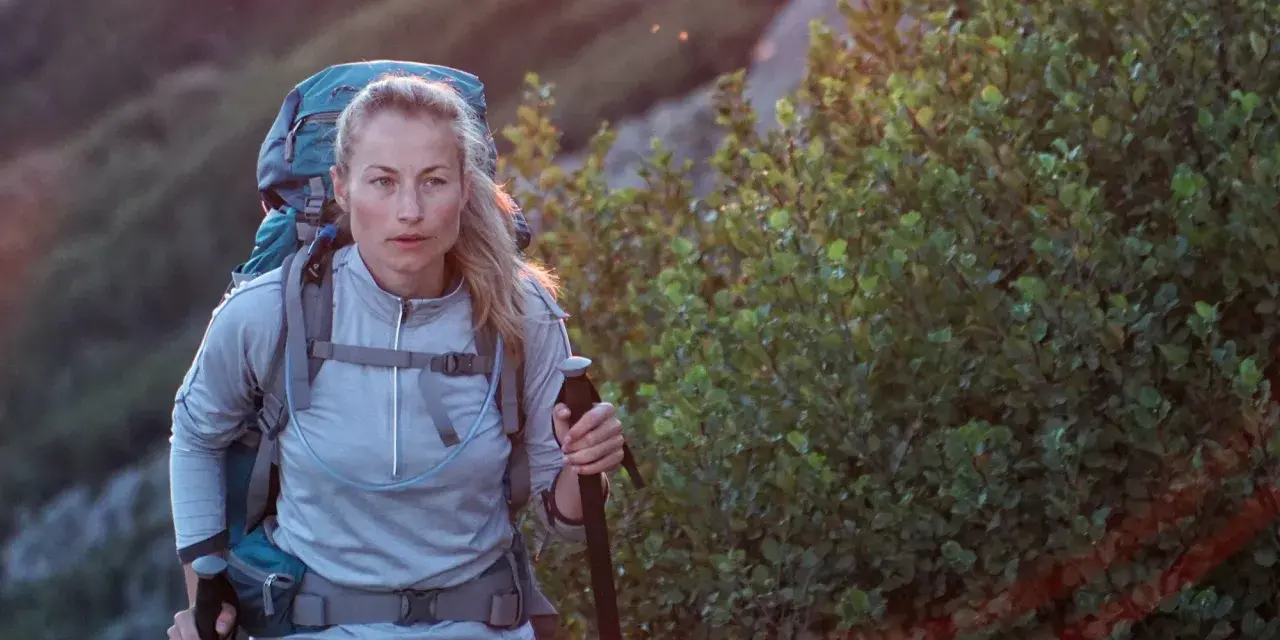
The fastest way to enjoy a first overnight walk is to keep the route short, the pack honest, and the camping rules clear
- Multi-day walking is about self-sufficiency: food, water, shelter, and weather protection all live in the backpack.
- For a first UK route, keep daily distances modest and build in easy exits if the weather turns.
- A 40-60 litre pack suits many two- to three-day trips, but fit matters more than brand or litres.
- The best kit is simple: a good sleep system, a waterproof layer, reliable shoes, and enough food you actually want to eat.
- In the UK, camping rules vary sharply by place, so permission and local guidance matter as much as the map.
What a multi-day walking trip really asks of you
A day hike asks you to carry water, snacks, and a spare layer. A multi-day walk asks you to carry the bits that let you repeat that effort tomorrow: shelter, sleep kit, cooking or cold meals, and enough backup clothing to cope with rain, mud, and a cold evening.
That is why I separate fitness from load management. You can be a decent walker and still struggle if the pack is badly fitted or filled with duplicates. Base weight, which is the gear you carry before food, water, and fuel, is the number I watch first; when it climbs, comfort drops quickly.
Once you accept that the trip is a system rather than a single long walk, the next question is whether the route itself matches that load.
Choose a route that matches your first pack
I choose routes in the UK by asking three questions: how far can I walk with the pack, where can I legally sleep, and what is the easy exit if something goes wrong? That is a better filter than starting with the most famous trail and hoping the logistics will sort themselves out.
| Trip type | Good target | What matters most | Who it suits |
|---|---|---|---|
| First overnight | 8-12 km / 5-7.5 miles a day | Easy terrain, low logistics, campsite near water | Beginners and anyone testing new gear |
| Weekend section | 12-18 km / 7.5-11 miles a day | Moderate climbs, one camp stop, one clear bail-out option | Walkers with a few loaded days behind them |
| Family walking holiday | 6-10 km / 4-6 miles a day | Facilities, short transfers, flexible route choices | Mixed-ability groups and families with children |
For a first outing, I like routes with campsite options, reliable transport, and a daily distance that leaves energy for camp chores. Sections of the South West Coast Path, the West Highland Way, the Pembrokeshire Coast Path, or Hadrian's Wall Path can all work well if you choose the right stretch and do not overreach on day one. Coastal routes can look gentle on a map and still punish you with wind and repeated climbs, so terrain matters more than the headline mileage.
With the route set, the kit list becomes much easier to trim.

Build the kit around sleep, weather, and feet
A first kit does not need to be fancy. It needs to keep you dry, warm, fed, and able to sleep, because those four things decide whether the next morning feels exciting or punishing.
| Item | Practical target | Why it matters |
|---|---|---|
| Backpack | 40-60 litres for most two- to three-day trips, with a hip belt and a fit that matches your torso | Moves weight onto the hips instead of dumping everything onto the shoulders |
| Shelter | Lightweight tent or tarp that you can pitch quickly in wind | Dry, reliable sleep is worth more than clever features |
| Sleep system | Sleeping bag or quilt rated for the coldest likely night, plus a mat with enough insulation | Warmth and recovery depend on it more than most beginners expect |
| Footwear | Broken-in boots or trail shoes matched to the terrain | Blisters and sore feet end more trips than bad weather does |
| Layers | Base layer, insulating midlayer, waterproof shell, spare socks | British weather changes quickly, especially on exposed ground |
| Navigation | Map, compass, offline phone map, power bank | Phones are useful, but batteries and signal are not guaranteed |
| Food and water | At least 2 litres of carry capacity, simple snacks, and a plan for refills or treatment | Energy drops fast when you eat too little or carry too little water |
R-value is the insulation rating of a sleeping mat; the higher it is, the better it protects you from cold ground. In shoulder seasons, that matters more than many beginners expect.
I would rather see someone carry one good fleece and a dry waterproof jacket than three “nice to have” tops. Packing light is not about suffering; it is about removing the items that never justify their weight once you are two hours into a wet climb.
Packing is the next place where beginners gain or lose a lot of comfort.
Pack so the load stays stable after hour five
The first kilometre tells you very little. Hour five tells you everything, which is why I care more about load placement than about whether the pack looked tidy on the bedroom floor.
Heavy items belong close to your back and around mid-height, so the centre of gravity stays stable. Bulky but light items can go low or on top, and anything you need in a hurry, such as a waterproof, map, snacks, or headtorch, should sit in an easy pocket rather than at the bottom of the bag. If your pack has load lifters, use them; they are the small straps at the top of the shoulder harness that pull the pack closer to your body and reduce sway.
- Do not pack a separate outfit for every mood swing in the weather.
- Do not buy a bigger pack just to avoid making decisions.
- Do not hang awkward items outside the bag unless you truly need them there.
- Do test the fully loaded pack on hills, stairs, or a local loop before you leave.
- Do trim duplicates first, especially in clothing and cook kit.
As a rough comfort rule, many walkers feel the strain once the total pack weight starts creeping towards about 20% of body weight, and beginners usually benefit from staying well below that if they can. The lighter the load, the less every hill feels like a negotiation.
Once the pack is under control, pacing and food become the next big lever.
Train, pace, and eat like someone who wants to enjoy the second day
You do not need to become an athlete to enjoy a multi-day walk, but you do need to know how your body behaves when it is tired, damp, and carrying weight. I like to do at least two or three loaded walks before a first overnight, even if they are only 6 to 10 kilometres, because they reveal what the pack is doing to the shoulders and feet.
The simplest pacing advice is also the best: start slower than feels necessary, especially on climbs. A steady rhythm saves energy far better than heroic bursts followed by long recoveries. I also prefer small, regular snacks instead of one big lunch, because waiting until you feel empty usually means you have already lost tempo.
- Eat before you are hungry, not after you are starving.
- Carry snacks that are easy to reach with one hand.
- Drink little and often, then top up whenever the route allows.
- Keep breakfast simple and reliable; cold oats, porridge, toast, or a hot drink with enough carbs all work.
- For family trips, reduce the distance before the morale drops, not after.
If a route looks fine on paper but day two is likely to be a grind, I shorten it. Good pacing is what turns the trip from a survival exercise into a walk you actually want to repeat.
The final piece is camping legally and responsibly, because that can change the whole shape of the trip.
Camp legally and leave the landscape undisturbed
This is the part people skip until it becomes a problem. In the UK, camping rules are not uniform, so I treat every route as a separate planning job rather than assuming the same answer everywhere.
| Situation | Practical choice | Why |
|---|---|---|
| England or Wales with no clear permission | Recognised campsite or explicit landowner permission | It avoids awkward surprises and keeps the trip straightforward |
| Scotland on land where access rights apply | Lightweight, low-impact camping in small numbers | It is generally allowed, but only if you behave responsibly |
| Busy valley, fragile ground, or family group | Campsite, bunkhouse, or a permitted pitch | Facilities and certainty usually beat stealth camping |
| Open moorland in a place that explicitly allows backpack camping | Follow the local rules closely | These areas often have extra expectations about where and how you pitch |
For me, the rule of thumb is simple: camp discreetly, arrive late, leave early, keep well away from roads, buildings, and livestock, and never leave a trace that tells the next walker you were there. Use a stove rather than an open fire when possible, take waste out with you, and keep to the Countryside Code principles of respecting others, caring for the environment, and taking responsibility for your own actions.
Once those basics are automatic, the final review after each trip becomes the fastest way to improve the next one.
What I would change after one honest night on the trail
After every first trip, I review only three things: what I carried but never used, what hurt, and what I ran out of too early. That tells me more than any gear catalogue, because the answer is usually simple: cut a layer, improve a fit, or bring a better snack.
- Remove one comfort item before buying anything new.
- Fix one fit problem, usually shoes, socks, or shoulder and hip adjustment.
- Keep one route note for next time, such as a water source, windy ridge, or better campsite.
- Repeat the same distance before increasing ambition.
The best multi-day walking trips are not the most extreme ones; they are the ones where the route, pack, and camping plan all disappear into the background so the landscape can do the real work. Start lighter than your instincts suggest, choose a route that matches your confidence, and let the next overnight be a little easier than the first.
