
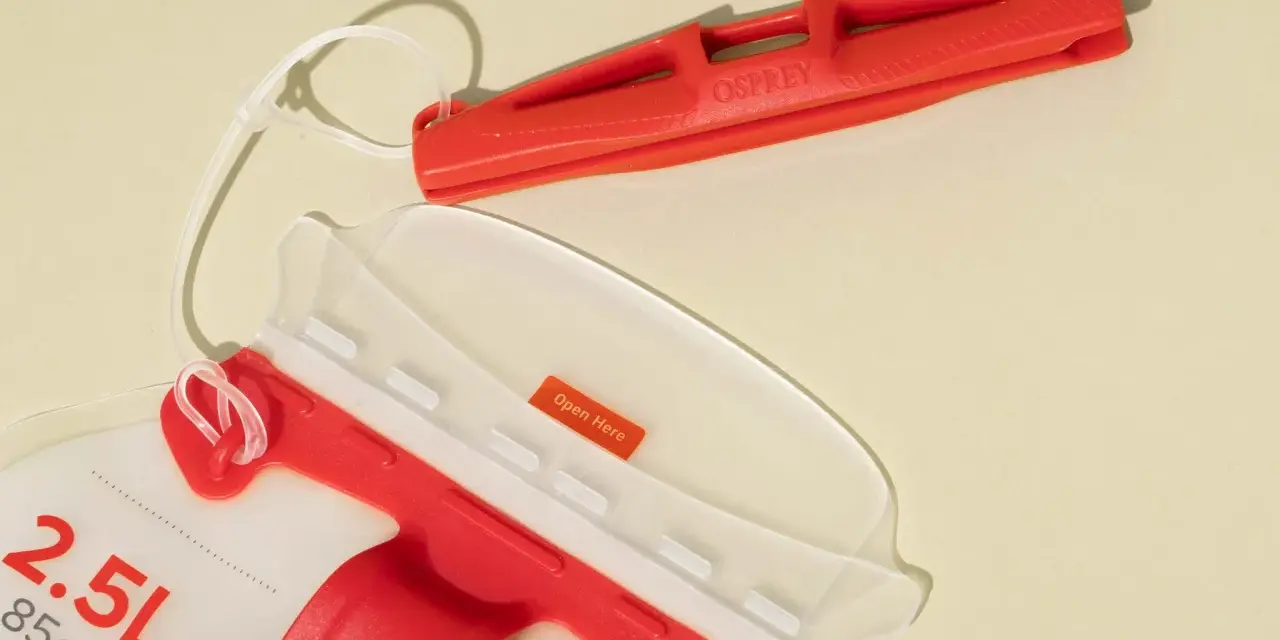
The practical version of the answer at a glance
- A hydration pack combines a carry system with a water reservoir, usually called a bladder, plus a tube and bite valve.
- It is most useful when you want to drink often without stopping, especially on hikes, trail runs, cycles, and longer family days out.
- Fit matters more than capacity for most people; a pack that bounces quickly becomes annoying.
- For many users, 1.5L to 3L of water is enough, but the pack itself may be much larger if you also need snacks, layers, or a map.
- Cleaning and fully drying the reservoir matters if you want the water to taste fresh and the kit to last.
What a hydration pack actually is
At its core, a hydration pack is a bag designed around one job: carrying water in a way that makes drinking easy while you are moving. Inside the pack is a flexible reservoir, often called a bladder, and a tube that ends in a bite valve, so you can take a sip without reaching for a bottle. That small difference changes the feel of an outdoor day more than people expect, especially when the route is long, the ground is uneven, or your hands are already busy with poles, a pushchair, a bike, or snacks for the children.
There are two common shapes. A hydration vest sits close to the body and is built to reduce bounce, which is why runners and fast hikers like it. A more traditional hydration backpack gives you a little more storage and is usually the better choice when you want space for a waterproof jacket, lunch, first-aid items, or extra kit for a family walk. The reservoir is the key feature, but the rest of the pack determines whether it feels like a useful tool or just another bag.
If you want the short answer in plain English, it is a hands-free drinking system built for movement. That leads naturally to the real question people ask next: when does it actually earn its place over a normal bottle?
Where it earns its place on UK days out
In the UK, I think hydration packs make the most sense on outings where the weather, terrain, or pace makes stopping awkward. A breezy coastal walk, a Lake District ridge, a summer bike ride, or a trail run can all be more comfortable when water is always within reach. The same is true on family adventures where you do not want to keep opening and closing a rucksack every fifteen minutes.
Here is where I would reach for one first:
- Trail running and fast walking - the pack stays close to the body, and you can drink without breaking rhythm.
- Cycling - especially on longer rides, when taking a hand off the bars repeatedly is inconvenient.
- Longer hikes - ideal when you want water plus a few essentials, but not a full daypack.
- Warm, exposed routes - even in the UK, a sunny climb or sheltered valley can leave you thirstier than expected.
- Family days out - useful when one bag has to cover water, snacks, a spare layer, and small extras.
On the other hand, I would not recommend one for every walk. If you are only heading out for half an hour on a flat path, a bottle is simpler, lighter, and cheaper. The trick is matching the gear to the kind of day you actually do, not the one you imagine doing once a year.

How to choose the right size and style
When I help someone choose a hydration pack, I start with three things: how long they are out, how much they need to carry, and how much movement they can tolerate before the pack starts feeling fiddly. Capacity is useful, but it should not be the only number you look at.
For the water itself, many packs use reservoirs in the 1.5L to 3L range. That is enough for most day use without turning the pack into a heavy slab on your back. The pack volume is separate from that reservoir, and it can range from a very small running vest to a larger hiking pack with room for layers and food. In practical terms, I usually think about it like this:
- 2L to 5L of pack space - best for running, short fast hikes, and minimalist use.
- 6L to 12L of pack space - a good middle ground for trail walks, longer rides, and simple day trips.
- 10L to 20L or more - better when you need extra clothing, food, or family kit as well as water.
Fit is just as important. A good hydration vest should feel snug without pinching, and it should not bounce when you jog or descend a hill. For hiking, I am happy with a slightly more relaxed fit if it still sits close enough to the body to stay stable. Features such as adjustable sternum straps, stretch pockets on the front, and breathable back panels sound minor, but they are the details that decide whether the pack disappears into the background or becomes irritating by mile two.
Once you know the shape and size that suits your outings, the next decision is whether you truly need a hydration pack at all, or whether a simpler option would do the job better.
Hydration pack vs bottle or daypack
The easiest way to judge the right option is to compare what each one does well. I do not think of hydration packs as automatically superior; they are simply better for certain kinds of movement.
| Option | Best for | Main advantage | Main trade-off | Typical UK price |
|---|---|---|---|---|
| Hydration pack | Running, cycling, hikes, active days out | Hands-free sipping and stable carry | More cleaning and more fit sensitivity | About £30 to £200 |
| Water bottle | Short walks, casual outings, everyday use | Cheap, simple, easy to clean | You need to stop or slow down to drink | About £5 to £30 |
| Daypack with a reservoir sleeve | Longer hikes, family trips, mixed kit loads | More room for layers, lunch, and extras | Usually heavier and less streamlined | About £40 to £150 |
My rule of thumb is straightforward. If drinking while moving is the main problem, the hydration pack solves it cleanly. If carrying other gear matters more, a daypack with a reservoir sleeve may be the smarter purchase. If you only need water for a short outing, a bottle still wins on simplicity.
This is also where budget matters more than people admit, because the right pack is not the one with the most features, but the one that feels easy enough to use every time you leave the house.
How to use, clean, and store it properly
A hydration pack only stays pleasant to use if you treat the reservoir well. I always recommend a quick check before the first outing: fill it, close it properly, turn the pack upside down over the sink, and make sure the bite valve is working before you head out. It sounds basic, but it saves the annoying moment when you discover a leak on a damp footpath.
- Fill the reservoir with the amount of water you actually need, not the maximum if you do not need it.
- Push the tube into place and route it so it sits comfortably on your shoulder strap.
- Test the bite valve at home, then adjust the straps until the pack feels stable.
- After use, empty the reservoir completely and rinse it straight away if you used sports drink.
- Wash with mild soap and warm water when needed, then let everything dry fully before storing it.
Drying matters. A pack that is put away damp is much more likely to smell stale or develop residue in the tube and corners of the reservoir. Some reservoirs are dishwasher-safe, but not all are, so I would check the manufacturer instructions rather than assuming. If you use electrolyte drinks, clean the pack more carefully, because sugar and flavouring are what make storage become a chore later.
Once the routine is simple, the pack becomes genuinely low-maintenance. The remaining question is whether it is worth the money for the way you actually spend time outdoors.
The trade-offs I would weigh before buying one
For me, the value of a hydration pack comes down to convenience versus complexity. A good one makes drinking so easy that you do it more often, which is useful on longer or warmer outings. But you are also accepting another piece of kit that needs fitting, filling, cleaning, and drying, so it should earn its space.
Here is how I would think about the trade-offs:
- Comfort versus capacity - a larger pack carries more, but too much unused space can make it shift around.
- Speed versus simplicity - a reservoir is faster on the move, but a bottle is still easier to handle and wash.
- Price versus frequency of use - if you only go out occasionally, a premium model is hard to justify.
- Versatility versus specialisation - a running vest is brilliant for movement, but less useful if you want one bag for everything.
If I were advising a UK walker or family that gets out regularly, I would say this: choose a hydration pack if you often spend more than an hour moving, especially on uneven ground, in warm weather, or with hands-full moments along the way. Choose a bottle if your outings are short and simple. That decision alone removes most of the guesswork and keeps the kit list honest.
In the end, the best pack is the one that fits the pace of your outings, disappears once you put it on, and makes it easier to keep moving without thinking about your next drink.
