
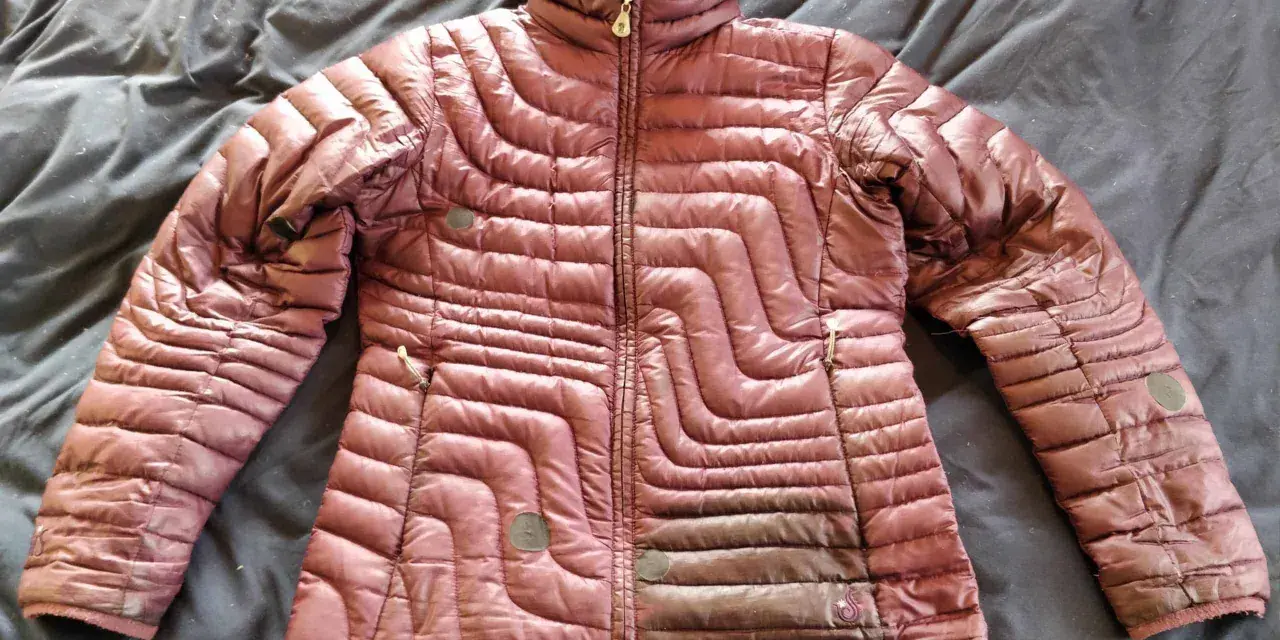
Knowing how to wash a down jacket correctly matters because the warmth is built into the structure of the fill, not just the shell. A careless wash can leave the feathers clumped, the shell greasy, and the jacket far less efficient on cold, wet trips. In this guide, I explain the safest routine, the shortcuts I avoid, and the drying stage that makes the biggest difference.
What you need to get right before you wash down
- Use a front-loading machine if you can, or a clean bath for hand washing.
- Choose a cleaner made for down, not standard detergent, fabric softener, or bleach.
- Wash the jacket alone on a gentle cycle, usually cold or up to 30°C if the label allows it.
- Dry on low heat with clean tennis balls or dryer balls until every baffle feels fully dry.
- Fix small tears first and follow the care label if the jacket has a membrane, taped seams, or a dry-clean-only instruction.
Why down needs a gentler wash
Down works because each cluster creates tiny air pockets that trap heat. If dirt, sweat, sunscreen, or campsite grime build up, those clusters stop lofting properly and the jacket feels flatter and colder than it should. Regular detergent can make the problem worse because it leaves residue and strips away the natural oils that help the fill stay springy.
There is also the outer shell to think about. Many jackets use a DWR finish, short for durable water repellent, which helps rain bead off instead of soaking straight into the fabric. A good wash should clean the jacket without killing that finish, and a careful dry can help the loft recover rather than settle into stubborn clumps. Once that is clear, the preparation becomes much easier to judge.
What to check before you start
I always start with the care label, because the label beats any generic advice. If it says cold wash, use cold. If it warns against tumble drying, believe it. If the jacket has loose stitching, a tiny tear, or feathers escaping from a seam, repair that first; washing can turn a small problem into a bigger one.
For visible marks, I dab a little down cleaner on the stain rather than using a strong stain remover. That keeps the treatment close to the problem area without loading the fabric with harsh chemicals.
| Use | Avoid | Why it matters |
|---|---|---|
| Down-specific cleaner or a mild technical wash | Standard powder detergent | Technical cleaners rinse cleaner and are less likely to leave residue on the fill. |
| Closed zips and fastened Velcro | Loose fasteners | This reduces abrasion inside the drum and protects the shell. |
| Front-loading machine or a roomy bath | Centre-agitator washer | Less twisting means less stress on baffles and seams. |
| One jacket at a time | A mixed heavy load | The jacket needs room to move and rinse properly. |
If you are stuck without a technical cleaner, a small amount of mild liquid detergent without bleach or fabric softener is a better fallback than powder, but I would still choose a down-specific wash first. I also like to clean the machine drum or run an empty rinse if the washer has old detergent residue, because hidden soap is a common reason down feels sticky after washing. That sets up the actual wash cycle, which is where the routine needs to stay calm and simple.

The washing method that works for most jackets
For most down jackets, I prefer a gentle machine wash in a front-loader. Hand washing is a good fallback, but a machine gives a more even rinse if the jacket fits comfortably and the care label allows it. If your home machine is a top-loader, I would use a laundrette with a front-loader or switch to hand washing in the bath.
- Zip every closure, fasten the Velcro, empty the pockets, and turn the jacket inside out if the label suggests it.
- Put the jacket in the drum by itself and add the measured amount of down cleaner to the detergent drawer or directly into the machine, following the bottle instructions.
- Choose a gentle cycle with cold water or up to 30°C if permitted, then use the lowest sensible spin. Extra spin can help, but I would rather repeat a gentle rinse than force a harsh cycle.
- If the jacket still feels soapy after the first cycle, run another rinse rather than hoping the dryer will sort it out. Soap trapped in the fill is one of the fastest ways to lose loft.
- For hand washing, soak the jacket in a bath of lukewarm water and cleaner, press the water gently through the fabric, and never wring or twist it.
The key is restraint. Down does not need agitation; it needs enough water movement to release sweat and dirt, then a thorough rinse so the fill and shell are clean rather than coated. Once that is done, drying becomes the real test of whether the jacket is saved or slightly ruined.
How to dry it without ruining the loft
This is the stage people rush, and it shows. A jacket that comes out of the washer looking clean can still be useless if the fill stays damp inside the baffles. I dry down on low heat whenever the care label allows it, using clean tennis balls or wool dryer balls to break up clumps and push air back through the fill.
Expect the process to take time. A lightweight jacket might be ready in around an hour to 90 minutes; a bulky winter piece can take closer to three hours, sometimes longer. I stop the dryer every 20 to 30 minutes, pull the jacket out, and massage the clumps with my hands before putting it back in. The jacket should feel evenly puffy, not just warm on the outside.
If you do not have a tumble dryer, hang the jacket in a warm, shaded, well-ventilated room and keep fluffing it by hand as it dries. That works, but it is slower and less predictable, so I treat it as a second choice rather than the ideal route. Fully dry means the thickest baffles feel light and springy, not cool, dense, or slightly heavy. Once the loft has returned, the next question is whether the jacket should have been washed at home at all.
When I would leave it to a specialist
Some jackets are better off with a professional cleaner, and I say that without hesitation. If the garment has a dry-clean-only label, a bonded membrane, severe staining, damaged baffles, persistent mildew, or so much wear that the down is leaking, home washing is a gamble rather than a routine.
- Choose a specialist if the jacket is expensive, rare, or heavily insulated.
- Choose a specialist if you cannot tumble dry it properly.
- Choose a specialist if the fill has started to migrate or clump unevenly even before washing.
- Choose a specialist if the jacket has leather trims, fur trim, or other delicate mixed materials.
A good cleaner that handles outdoor gear can often restore both cleanliness and loft more safely than a rushed wash at home. If the jacket is worth keeping for another few seasons of camping and cold-weather travel, that extra care can be money well spent. From there, the best savings come from how you store and wear it between washes.
The small habits that keep a down jacket warm for longer
I do not wash down on a fixed schedule. I wash it when it actually needs it: when sweat has built up, when the shell feels grimy, when the jacket smells stale after a wet trip, or when the loft has started to look tired. For many people that means a few times a year, not after every outing.
- Air the jacket after a damp hike before stuffing it away.
- Store it loosely hung or in a large breathable bag, not compressed in a stuff sack.
- Brush off mud and spot-clean small marks early.
- Keep wet jackets away from direct radiators or high heat sources.
- Never put it away even slightly damp, because mildew can form inside the baffles.
- Check seams and baffles before and after washing so small repairs are not missed.
The jackets that last longest are usually the ones that are dried properly, stored properly, and washed only when the fabric and fill genuinely need it. If I were packing for a wet week in the UK or a cool family camping trip in the mountains, that is the routine I would trust: gentle clean, patient dry, and careful storage between adventures.
