
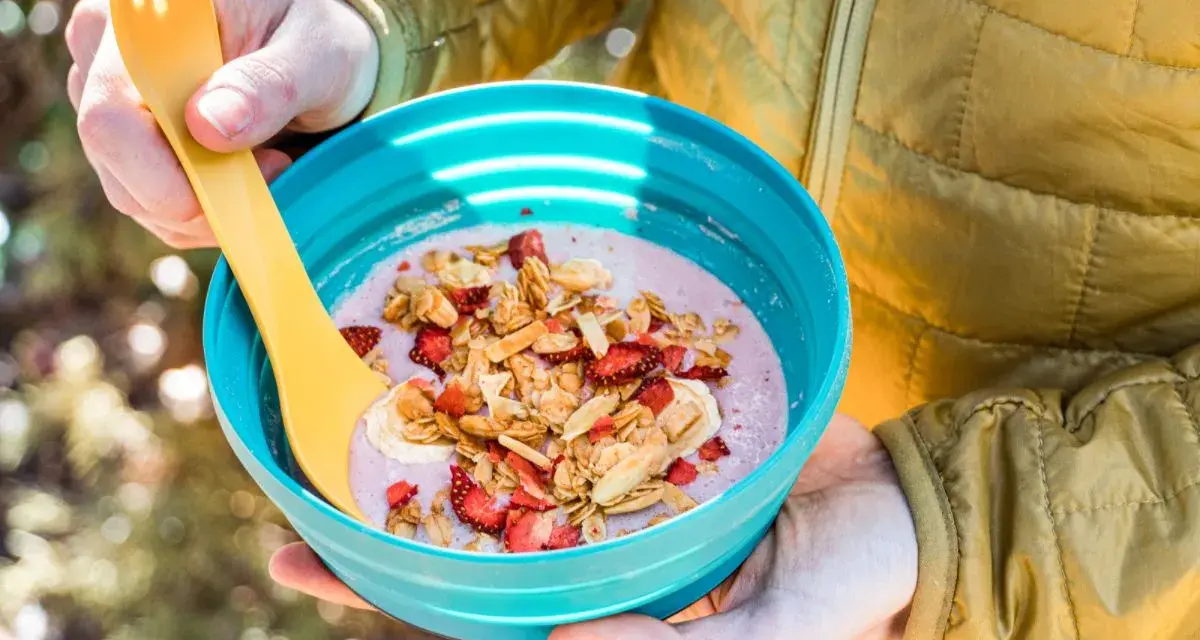
These camping breakfast ideas are built for mornings when you want something filling without turning the campsite into a kitchen. I focus on meals that work with a small stove, a limited cool box, and the sort of weather you actually get on a UK trip. You will find quick no-cook options, one-pan favourites, make-ahead shortcuts, and a simple menu that keeps family mornings calm.
The essentials that make campsite breakfasts work
- Keep the ingredient list short: oats, bread, eggs, fruit, cheese, and beans cover most mornings.
- Plan for one cold breakfast and one hot breakfast, then keep a backup that only needs boiling water.
- Five to 15 minutes and one pan is usually the sweet spot for camp cooking.
- Make-ahead prep at home saves fuel, cleaning time, and morning stress.
- On many UK campsites, a stove is more reliable than an open fire, so build the menu around what the site actually allows.
What makes a campsite breakfast worth cooking
On camp, breakfast has one job: give you enough energy to walk, bike, pack the tent, or sit through a wet morning without reaching for biscuits an hour later. That is why I like breakfasts that combine protein, carbs, and one fresh element; they feel complete without becoming complicated.
My rule is simple. If a breakfast needs more than two pans, a long shopping list, or a full wash-up session before coffee, it is probably too fussy for camping. The best options are the ones you can make in 5 to 15 minutes, even when the kettle is already in use and somebody is asking for toast at the same time. Once that is clear, the cooking setup becomes much easier to choose.

The best campsite breakfasts by cooking setup
Before choosing a recipe, I look at the gear first. A breakfast that works on a two-ring gas stove is not the same thing as one that depends on a grill, and it helps to match the idea to the kit rather than the other way around.
| Cooking setup | Best breakfast types | Typical time | Why it works | Main limitation |
|---|---|---|---|---|
| No-cook | Overnight oats, yogurt pots, fruit and granola, breakfast bars | 3-5 minutes the night before | Zero morning effort and very little washing up | Needs cool storage for dairy and fruit |
| Boiling water only | Porridge, instant oats, sachet coffee, mug breakfasts | 3-7 minutes | Ideal when you only want a kettle and a bowl | Less texture and fewer hot, crisp elements |
| One-pan stove | Eggs, beans on toast, hash, bacon rolls, skillet wraps | 8-15 minutes | Most flexible option for real campsite mornings | Needs heat control and a little more cleaning |
| Campfire or grill | Toasties, sausages, flatbreads, foil breakfasts, crumpets | 10-20 minutes | Fun for a slower morning and bigger groups | Depends on fire rules, weather, and safe cooking space |
If I am packing light, I default to the one-pan stove category. It gives me the best balance of flavour, speed, and control, and it still leaves room for one cold breakfast if the weather turns or the gas runs low. That is where the real meal ideas start to matter.
Seven breakfasts I would happily make on a campsite
These are the breakfasts I keep coming back to because they are practical, not just photogenic. They also scale well for families, which matters more than people think when everyone wakes up at different times.
- Overnight oats with berries and honey. Mix oats, milk or yogurt, and a little honey in jars before bed. They are ready in the morning, cost very little, and give you a clean first breakfast after a late arrival. I like them most for day one, when nobody wants to cook.
- Bacon, egg, and cheese wraps. Scramble or fry the eggs, warm the wrap, and roll everything together. This is the breakfast I use when we need something portable, because it is easy to eat outside the tent without cutting a pile of plates and knives into the morning.
- Beans on toast with fried eggs. This is still one of the best UK camping breakfasts because it is cheap, filling, and familiar. A tin of beans, good bread, and a couple of eggs can feed people properly in about 10 minutes, which is hard to beat on a damp morning.
- Potato and sausage hash. If you pre-cook the potatoes or use leftover cooked veg, this becomes a strong one-pan breakfast that feels substantial. It is especially useful on the second or third day, when you want something warmer and more savoury than cereal.
- Yogurt pots with granola and fruit. This is the no-cook option I recommend most for families. It works well when the weather is warm, or when you want the breakfast to happen before everyone is fully awake.
- Cheese toasties with tomato chutney. A toastie maker is not essential, but if you have one, it turns a simple breakfast into something people remember. The filling is flexible, the prep is fast, and leftover cheese disappears quickly.
- Porridge with banana and peanut butter. This is the best cold-weather breakfast in the list. It takes only a few minutes, uses a small amount of fuel, and keeps people full for a long walk or a slow pack-up.
I would rather pack five good breakfast staples than chase a dozen recipes that all need different ingredients. Once you know which dishes you actually enjoy, the next win is packing them in a way that makes the morning easier.
How to pack breakfast so the morning stays easy
The simplest way to reduce campsite stress is to prep the awkward bits at home. I portion oats into jars, pre-mix any dry ingredients, grate cheese before departure, and keep a separate breakfast bag so I do not have to dig through the whole cool box for one item.
| What to pack | Rough amount for 4 people | Where it helps |
|---|---|---|
| Oats | 300-400g | Overnight oats or porridge for two breakfasts |
| Eggs | 8-10 | Wraps, fried eggs, scrambled eggs, toast toppings |
| Bread or wraps | 1 loaf or 6 wraps | Toast, toasties, bacon rolls, egg wraps |
| Fruit | 6-8 pieces | Fast sides, snacks, and no-cook breakfasts |
| Cheese | 200-300g | Toasties, wraps, and savoury breakfasts |
| Backup staples | 1-2 tins of beans, one jar of peanut butter or jam | Easy fallback when plans change |
For chilled food, I keep raw meat and dairy separate, use ice packs or a proper cool bag, and try to use the most fragile items early in the trip. That matters more on family camping trips, where breakfast can get delayed by weather, a missed wake-up, or a very slow trip to the shower block. With the box packed properly, you can start thinking about a menu instead of improvising every morning.
A simple two-day menu that works for families
When I am planning a short trip, I like to think in pairs: one cold breakfast, one hot breakfast, and one backup. That mix gives you flexibility without overpacking, and it keeps everyone fed even if the weather changes between dinner and dawn.
| Morning | Menu | Time | Why I like it |
|---|---|---|---|
| Day 1 | Overnight oats, fruit, and coffee or tea | 5 minutes in the morning | Perfect after arrival, when the kit is still being organised |
| Day 2 | Beans on toast with eggs, or bacon and egg wraps | 10-15 minutes | More filling before a walk, bike ride, or long drive home |
| Backup | Porridge, granola, or flapjacks with fruit | 3-7 minutes | Works when the weather is poor or the cool box is nearly empty |
If I am feeding children, I make sure at least one option can be eaten with hands and one can be served quickly in bowls. That small decision avoids a lot of morning friction, and it is usually enough to keep the whole campsite breakfast calm rather than chaotic. From there, the only real question is what you want to keep in the breakfast box for the next trip.
The breakfast box I would keep ready for the next trip
The pattern that keeps working for me is straightforward: one cold breakfast, one hot one-pan breakfast, and one no-drama backup. That combination covers late starts, wet weather, hungry children, and the mornings when nobody wants to wash three pans before 9 a.m.
If you build your breakfast box around oats, bread, eggs, beans, fruit, cheese, and one or two make-ahead items, you already have most of the trip solved. If you want to tighten it even more, add a small bottle of oil, salt, pepper, and a thermos of hot water; those tiny extras make eggs, beans, and porridge easier without adding much weight. The rest is just matching the meal to the weather, the stove, and how much effort you want to give the day before the day has even started.
