
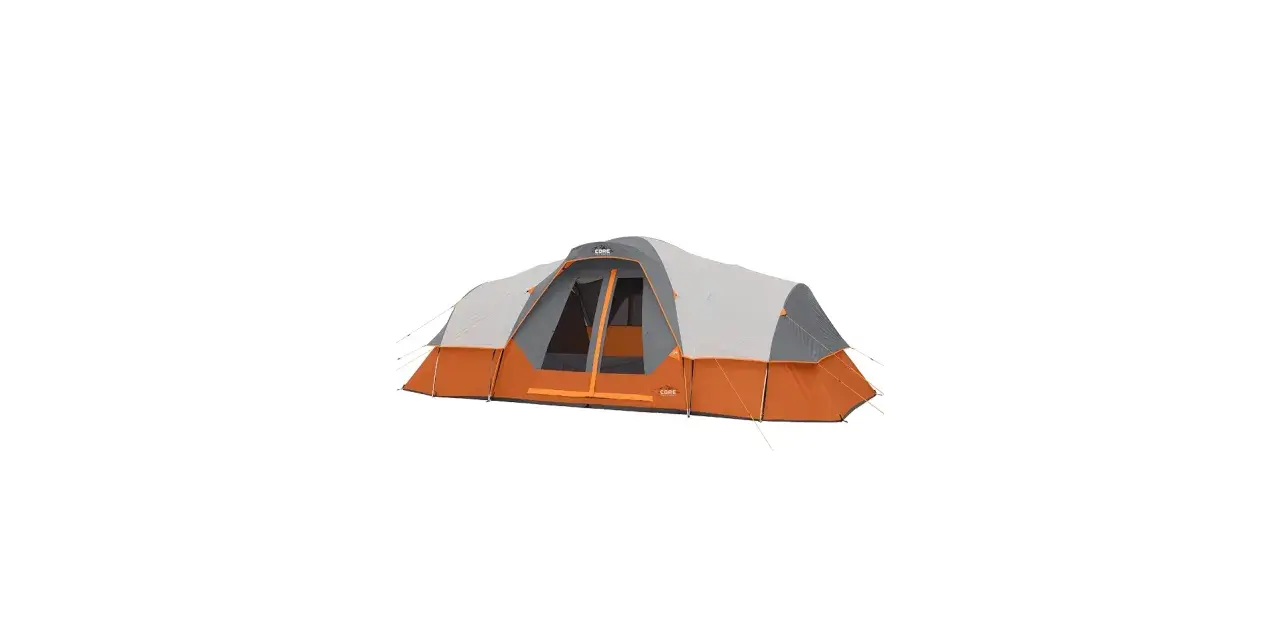
Core tents sit in a very specific part of the market: roomy, easy-to-pitch family tents that are designed to make camping less fiddly. For relaxed site-based trips, festivals, and short breaks, that can be exactly what many campers want. So, are Core tents good quality? In my view, yes for the right kind of camping, but they are best understood as value-driven family tents rather than rugged, all-weather expedition shelters.
What matters most about Core tent quality
- Core is strongest on fast setup, generous interior space, and family-friendly convenience.
- Core's own FAQ says its tents are water-resistant up to 1200mm, not fully waterproof.
- Most Core models are 3-season tents, so they suit spring, summer, and early autumn better than winter use.
- The full-rainfly versions are the safest choice if you camp in changeable British weather.
- Build quality is generally good for the price, but not in the same category as premium storm-ready tents.
What Core tents do well
The first thing Core gets right is practicality. Many of its instant models are pitched in about 60 seconds to 2 minutes, and that matters more than people admit. When you arrive late, the weather is turning, or the kids are already asking where they can put their bags, a tent that goes up quickly feels higher quality than one that looks more expensive but wastes an hour of your evening.
I also like the way Core focuses on liveability. Tall cabin-style shapes, storage pockets, room dividers, electrical ports, and decent ventilation all make the tent feel usable instead of cramped. For family camping, that is real quality. A tent does not need premium fabric to be useful if the layout, airflow, and headroom are well thought through.
There is another part of the story that matters for budget-minded buyers: Core tends to offer a lot of usable space for the money. That makes the brand appealing for weekends away, road trips, and car-based camping where comfort matters more than shaving every gram from the pack. That said, good cabin comfort is only one side of the equation, and weather resistance is where the verdict becomes more nuanced.
Where the quality ceiling shows
The clearest limit is weather performance. Core's own FAQ says the tents are water-resistant to 1200mm, not fully waterproof. In practical terms, I would treat that as suitable for normal rain and sensible campsite use, not as a license to ignore pitch choice, guylines, or site selection. If you camp in the UK, that distinction matters because a dry forecast can become a wet night very quickly.
Core also positions most of its tents as 3-season models, which is the right honest category for them. They are built for spring, summer, and autumn use, not snow, freezing temperatures, or harsh winter wind. RV.com described the instant line as well made with strong flooring and rain and wind protection, but also noted that these tents are not all-season shelters. That is the right way to read the brand: solid for the intended use, limited if you push beyond it.
In simple terms, I would not buy Core for exposed ridge camping, repeated winter trips, or long stretches of miserable coastal weather. The poles, fly coverage, and fabric can do a decent job when the tent is pitched properly, but they are not a substitute for heavier-duty construction. If your idea of camping includes proper British rain, gusty sites, and shoulder-season misery, the quality bar needs to be higher.

Which Core tent style fits UK camping best
Not every Core tent is trying to do the same job. If you are choosing one for UK use, the style matters as much as the brand name. Here is the cleanest way I would split them.
| Core tent style | Best for | Strengths | Trade-offs |
|---|---|---|---|
| Instant cabin | Weekend breaks, festivals, family car camping | Fast pitch, tall walls, easy access, very livable | Bulkier to store, less forgiving in strong weather |
| Straight wall cabin with full rainfly | UK family camping and longer site stays | Better coverage, more usable interior space, stronger all-round balance | Slower to pitch than instant models |
| Extended dome | Couples or smaller families | Lower profile, easier to transport, decent weather shape | Less standing room than a cabin tent |
| Dome without full rainfly | Very fair-weather trips | Simple and lightweight for the size | Least forgiving in real rain and wind |
For most British family campers, I would shortlist the full-rainfly cabin tents first. They give you the best balance of comfort and coverage, which is usually more valuable than shaving a minute or two off setup. If you camp in places like Cornwall, the Lakes, or anywhere with exposed pitches, extra fly coverage is worth more than a flashier layout.
That leads naturally to the more important buying question: not which Core tent looks best on paper, but which details actually separate a decent tent from a frustrating one.
What I would check before buying one
When I assess a tent like this, I ignore the marketing language and check the practical details that affect real camping. These are the points I would look at first.
- Rainfly coverage - Full coverage matters if you camp in mixed weather, because it shields more of the tent body from wind-driven rain.
- Seam sealing - Taped seams and sensible waterproofing do more for comfort than flashy extras.
- Ventilation - Mesh panels and roof vents help reduce condensation, which is a bigger issue in the UK than many beginners expect.
- Floor strength - A good floor protects the tent from damp ground and rough pitches, and it makes the tent feel sturdier underfoot.
- Pole and hub design - Instant setups are convenient, but they are also the parts most people stress if they pitch in the wind or fold them badly.
- Warranty and returns - Core's current product pages show a 1-year warranty and 30-day returns, which is sensible for this price bracket.
I would also keep an eye on whether a tent includes an electrical port, storage pockets, or a room divider. Those are not just comfort features; they make family camping calmer because gear stays organised and the living space feels less chaotic. Once you know what to look for, the next step is making the tent work better in British conditions.
How to make a Core tent last longer in British weather
Good tents fail early when they are used badly, so a little care goes a long way. I would always pitch Core on a footprint or groundsheet that is slightly smaller than the tent floor, because that helps keep water from collecting underneath. I would also tension the guylines properly, even on a calm evening, because a tent that is only loosely pegged can flap, sag, and wear itself out faster.
Drying the tent fully before storage matters just as much. Packing a damp tent away for a week is one of the fastest ways to shorten its life, and it is especially risky if you camp often in the UK. I would also replace flimsy pegs with stronger Y-pegs or steel pegs if the ground is hard or the pitch is exposed. Small upgrades like that make a bigger difference than most people expect.
If you plan to use the tent more than a handful of times each year, a light seasonal reproofing routine is worth it too. That does not turn a mid-range tent into a premium one, but it does help the fabric and seams stay more dependable through repeated rain and packing cycles. Good habits do not change the design, but they absolutely change how long the design stays useful.
Who should buy Core and who should look elsewhere
Core makes sense for campers who want comfort, speed, and space without paying for a heavy-duty premium shelter. I would recommend it for families, first-time buyers, festival campers, and anyone who mostly does car camping on managed sites. If your trips are short, social, and focused on convenience, the brand does its job well.
I would be more cautious if you camp regularly in exposed coastal wind, persistent rain, or colder shoulder-season conditions. In those situations, the limit is not just price; it is the tent category itself. A value family tent can be very good at what it was designed for and still be the wrong tool for difficult weather. That is where many buyers misread quality.
My own line is simple: if you want a roomy tent that gets you camp-ready fast and gives you a comfortable place to sleep and eat, Core is a credible option. If you want a shelter that shrugs off rough weather with minimal compromise, I would keep looking and spend more.
The buying rule I would use in 2026
If I were choosing a Core tent now, I would start with the full-rainfly models and ignore the temptation to buy the cheapest or fastest-looking version. That is the cleanest way to get the best balance of comfort and weather protection. For UK camping, especially on damp or breezy sites, the extra coverage is the difference between "fine" and "glad I chose this one."
My verdict is this: Core tents are good quality for family and car camping, with solid convenience features and honest value, but they are not premium storm tents. Choose them for spring-to-autumn trips, regular campsite use, and quick setups. Pass on them if your camping life involves winter, exposed ground, or weather that punishes anything less than serious construction.
That is the simplest and most useful answer I can give: Core is a smart buy when the job is comfortable 3-season camping, and a weak choice when the job is demanding weather protection.
