
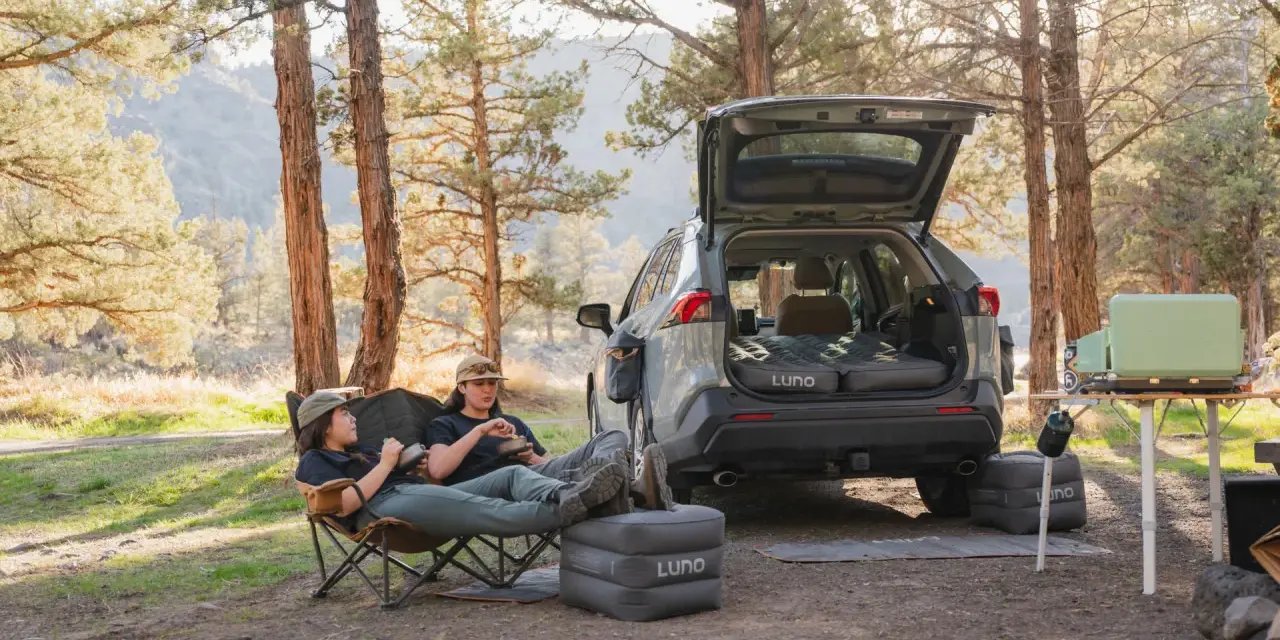
A car camping trip works best when a few small systems are already sorted: a flat sleep space, enough airflow, a place for dirty gear and a plan for food that does not require half the boot to be emptied at dusk. The best car camping hacks are the small changes that stop the setup from feeling improvised and let you wake up rested instead of cramped.
I have written this for UK trips, so I am factoring in damp mornings, changeable weather, family kit and the reality that overnight rules vary from place to place. The aim is simple: spend less time wrestling with gear and more time actually enjoying the stop.
The few changes that make the biggest difference
- Sort the sleep system first: flat surface, proper cushioning, blackout coverage and a crack of ventilation.
- Divide the boot into zones so you can reach food, clothes and lights without unpacking everything.
- Buy practical upgrades before decorative ones; a fan, shades and storage boxes usually beat gimmicks.
- Plan for condensation and drizzle, not just sunshine, because British nights are rarely dry and still.
- Keep meals simple and cleanup even simpler with pre-packed ingredients and a rubbish bag within reach.
- Check local overnight rules before you arrive, especially if you are relying on a lay-by or car park.
Get the sleeping setup right before anything else
Comfort starts with geometry. If the bed is too short, too bumpy or too warm, everything else feels worse. I always measure the boot with the seats folded before I buy anything, because even a good mattress is useless if it does not fit cleanly under the hatch.
For most cars, the sweet spot is a flat base plus 5-8 cm of cushioning. That can be a folding foam mattress, a self-inflating mat or a simple DIY platform, depending on how often you travel. If you are alone, sleeping diagonally buys precious length; if two people are sharing the space, the mattress has to fit the car, not the other way around.
| Sleep option | Best for | Typical UK cost | Main trade-off |
|---|---|---|---|
| Folding foam mattress | Regular car campers who want a stable, quiet bed | £30-£120 | Bulkier to store |
| Self-inflating mat | People who want easy packing and decent comfort | £35-£120 | Usually less plush than foam |
| Inflatable air bed | Occasional trips and taller vehicles | £20-£80 | Can shift or lose air overnight |
| DIY plywood platform | Frequent trips and larger boots | £40-£150 in materials | Needs tools and planning |
Window covers matter more than people expect. A reflective screen or blackout curtain helps with early sunrise, street lights and privacy, and it also makes the space feel calmer at bedtime. I also crack opposite windows by 1-2 cm and use mesh screens when I can, because a tiny amount of airflow is usually enough to cut condensation and stuffiness without turning the car into a wind tunnel.
If you do only one thing before your first night, make the sleeping area flat and dark. Once that is solved, the rest of the setup becomes much easier to organise.

Turn the boot into zones, not one big pile
The boot gets messy fast when everything lands in one heap. I separate gear into four zones: sleep, kitchen, wash and emergency. That sounds fussy until the second night, when being able to find a head torch without moving a stove and three coats saves real time and patience.
| Zone | What goes in it | Why it matters |
|---|---|---|
| Sleep kit | Sleeping bag, pillow, eye mask, earplugs, spare socks | Makes bedtime fast and keeps the essentials together |
| Kitchen kit | Stove, gas, mug, kettle, sponge, tea towels, lighter | Stops meal prep from becoming a search mission |
| Wash kit | Wet wipes, soap, microfibre towel, toothbrush, bin bags | Keeps hygiene simple when water is limited |
| Emergency kit | Power bank, torch, first aid kit, hi-vis vest, tyre inflator | Helps if the weather turns or the car needs attention |
Clear storage boxes work well because you can see what is missing at a glance. Packing cubes are useful for clothes; dry bags are better for anything that must stay dry. For a weekend, I like one box per category and a separate grab bag with the things I need before breakfast.
If you are travelling with children, give each child a small kit of their own. A head torch, a snack pouch and a warm layer in one labelled bag will prevent more arguments than any amount of pep talk.
Once the boot is divided into zones, you can start spending money only where it changes the trip rather than where it just adds clutter.
Spend money on the upgrades that genuinely improve the night
Not every accessory earns its place. The useful purchases are the ones that fix a repeated problem rather than adding clutter. If I were starting from scratch, I would buy in this order: blackout covers, a decent fan, storage boxes and then comfort extras.
| Upgrade | What it solves | Typical UK cost | When it is worth it |
|---|---|---|---|
| Window mesh screens | Bugs and airflow | £10-£25 | Warm evenings and humid nights |
| Blackout blinds or reflective shades | Light and privacy | £10-£30 | Anywhere with streetlights or early sun |
| USB or 12V fan | Stale air and heat buildup | £15-£35 | Summer and shoulder-season trips |
| Power bank | Dead phone, torch or fan battery | £20-£60 | Always useful |
| Sleeping bag liner or extra blanket | Cold evenings and early mornings | £15-£35 | Spring, autumn and damp coastal trips |
| Fold-flat table or crate | Food prep and surface space | £15-£45 | If you cook beside the car |
The cheapest gear is not always the best buy, but decorative extras are rarely the answer either. I would rather have one good fan and one solid shade than fairy lights that look nice for an hour and do nothing for sleep.
That thinking becomes even more important once British weather gets involved, because moisture and temperature will expose weak choices very quickly.
Plan for condensation, drizzle and cold mornings
British weather is what exposes weak car camping setups. Condensation builds quickly in a sealed vehicle, wet boots make the whole space smell, and a mild evening can turn chilly by 3 a.m. I treat moisture control as a comfort issue and a cleanliness issue.
My basic rule is simple: let air move, keep wet things separate and avoid creating extra damp inside the sleeping area. A microfibre towel is worth carrying because it wipes glass fast, dries quickly and takes very little space. A dry bag for spare layers is just as useful, especially if someone in the family comes in with damp clothes after a walk on the beach or in the woods.
- Crack opposite windows by 1-2 cm for airflow.
- Use mesh screens so ventilation does not invite insects in.
- Keep boots, coats and umbrellas in a separate container or bag.
- Pack one dry layer per person for the morning, not just the night.
- Use a hot water bottle or pre-warmed sleeping bag if the temperature drops.
REI’s car-camping advice lines up with my own on one point that matters here: I never sleep in a vehicle with the engine running. If the cabin needs warming, I do it before bed and then switch off, rather than trying to solve temperature with idling fuel and noise.
Once warmth and dryness are under control, food becomes the next area where simple systems save effort. That is where a lot of trips either stay easy or turn annoying.
Keep meals simple enough to clean up in five minutes
Food gets messy when every meal turns into a cooking project. I prefer a simple rhythm: one easy breakfast, one cold lunch and one dinner that uses the same pan every time. That keeps cleanup short and stops the car from smelling like old cooking oil.
For most trips, I pre-chop at home and bring ingredients in meal-sized containers. Freezing part of the cooler contents is a useful trick because it doubles as ice and buys you extra time before food warms up. If you are only away for one night, that can be enough to keep everything fresh without overpacking refrigeration.
| Food habit | Why it helps | Easy example |
|---|---|---|
| Pre-chop at home | Less mess and less faff at camp | Onions, peppers, salad leaves |
| Freeze part of the cooler load | Works as an ice pack and keeps food colder | Water bottles or a meal portion |
| Use one-pan meals | Fewer dishes to wash | Pasta, rice, stir-fry, soup |
| Pack a separate snack bag | Stops everyone rummaging through the main food box | Fruit, nuts, bars, crackers |
I budget about 2 litres of drinking water per adult per day, more in hot weather and more again if you are cooking or washing up. For family trips, that number climbs quickly, so I always keep extra water in the boot rather than assuming a tap will be nearby.
If you want the kitchen side to stay easy, keep the menu boring in a good way. The fewer ingredients you need, the faster the setup, the cleanup and the morning exit all become.
Choose a place that keeps the trip relaxed, not risky
In the UK, overnight vehicle stays are mostly about permission and signage. A campsite is the least stressful option, a published stopover or landowner-approved pitch can work well, and a random lay-by is never something I would assume is fine without checking the local rules first.
I would also avoid anything that feels like improvisation in someone else’s space. If a car park sign says no overnight stays, I do not test the boundary. If a place allows parking but not camping, I keep the setup fully contained and skip chairs, awnings and anything that makes the stay look like a pitch rather than a pause.
- Read the signs as soon as you arrive.
- Check local byelaws if the site is not obviously a campsite.
- Keep noise and light low, especially near homes or other campers.
- Leave early and take all rubbish with you.
- For Europe trips, verify the rules again when you cross a border; they change quickly.
For a first family trip, a legal pitch is usually worth the fee because it removes uncertainty and gives you toilets, water and a simpler morning. Once that part is sorted, the final gains come from habits, not purchases.
The habits I would keep on every trip
The best trips are usually the ones that feel boring at the start because the annoying parts were handled in advance. I test the setup at home, pack the same way every time and keep one small emergency kit permanently in the car so I am never rebuilding the whole system from scratch.
- Do a 10-minute dry run in the driveway before the first trip.
- Keep keys, torch and phone charger in one fixed place every time.
- Store one towel, one bin bag and one spare layer where you can reach them at night.
- Leave a little empty space so changing clothes does not mean dismantling the bed.
- Pack an extra set of dry socks for each person, even in summer.
If I had to narrow all of this down, I would start with a flat bed, sensible airflow and a boot that has a clear place for everything. Those three choices solve most of the friction, which is why the most useful tricks are usually the quiet ones rather than the flashy ones. Get those right and the trip feels less like a compromise and more like a simple, reliable way to travel.
