
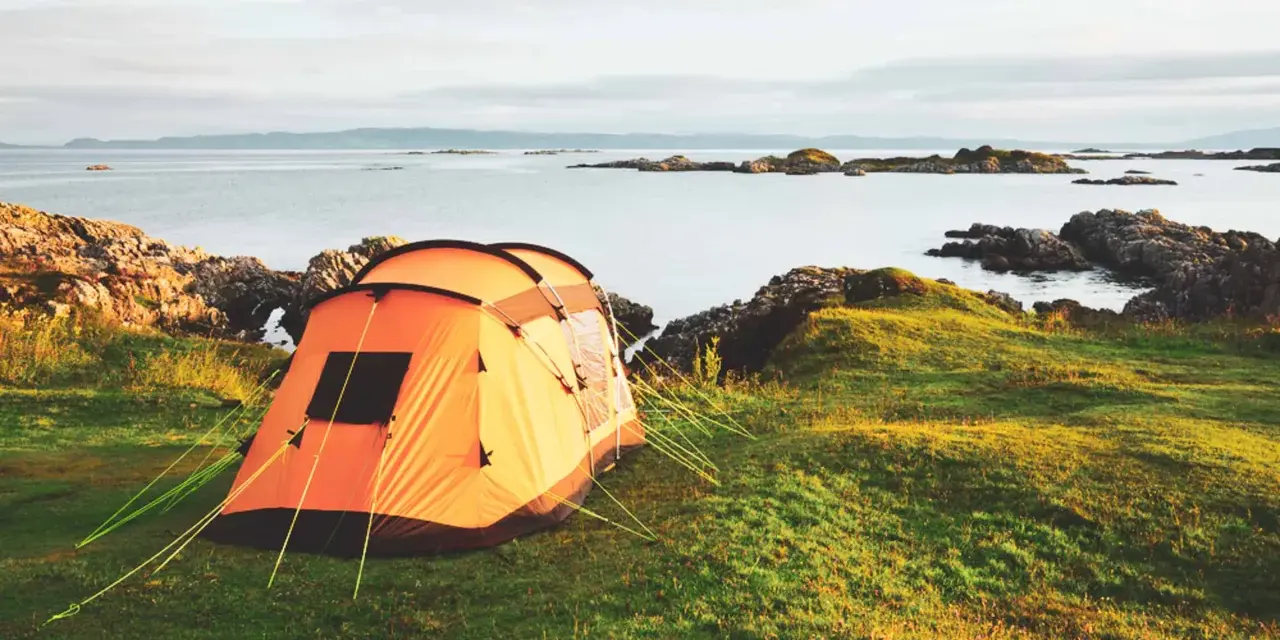
A good tent break in the UK comes down to more than a scenic field. The best tent camp sites are the ones that match the weather, the ground under your feet, and the kind of trip you actually want to have. In this guide, I break down which UK locations work best for tents, what to check before booking, and where the legal and practical differences really matter.
The main things that decide whether a tent pitch works
- Scotland is the easiest place for true wild camping on most unenclosed land, as long as you follow the Scottish Outdoor Access Code.
- In England and Wales, I treat camping without permission as off-limits unless local guidance clearly says otherwise.
- Flat ground, decent drainage, and a little shelter from wind matter more than fancy extras.
- Basic tent pitches on UK booking platforms can start around £8-£12 a night, while well-equipped sites often sit around £20-£40+.
- The most reliable UK camping destinations are still the Lake District, Cornwall, Devon, Wales, Northumberland, and Dorset.
What makes a tent site actually work
For tents, the ground matters more than the brochure. I would rather stay on a plain-looking field that drains well than on a dramatic slope that turns into a sponge after one shower. The strongest sites usually get four basics right: shelter, drainage, spacing, and access to water and toilets.
| Check | Why it matters | What I look for |
|---|---|---|
| Flat, firm ground | Better sleep, easier pitching, less sliding at night | A level grass pitch or a gently raised meadow |
| Drainage | Stops puddles forming under the groundsheet | Ground that does not hold water after rain |
| Wind cover | Helps with stability and keeps guy lines under control | Natural shelter without feeling cramped |
| Pitch spacing | Reduces noise and gives you a bit of privacy | Enough room to cook and move around comfortably |
| Facilities | Makes wet, cold, or family trips much easier | Clean loos, water, and a washing-up area at minimum |
| Access | Loading and unloading is far less painful in bad weather | A short walk from parking to pitch |
I also pay attention to the things that look nice but do not automatically make a site better. A café, a playground, or a fire pit can be useful, but they do not fix a poor pitch. If the grass sits in a hollow or the whole field faces the wind, the trip will feel harder no matter how pretty the setting is. That is why I always check the actual pitch first and the extras second.
Where the best UK tent camping is concentrated
The Camping and Caravanning Club’s UK destination list lines up closely with the places I would shortlist first: the Lake District, Devon, Wales, Cornwall, Northumberland, and Dorset. Those areas work because they combine established camping infrastructure with the kind of scenery that still feels worth the drive.
| Region | Best for | What makes it strong | What to watch out for |
|---|---|---|---|
| Lake District | Walking, lakeside views, mixed-ability hikes | Huge range of campsites, dramatic scenery, easy day walks from basecamp | Busy school holidays and fast-changing weather |
| Cornwall | Beach trips and family holidays | Excellent coastal access and a strong choice of established sites | Peak-season traffic and higher prices in the most popular areas |
| Devon | Coast plus countryside | A good balance of beaches, moors, and family-friendly campsites | The best sites book quickly for school breaks |
| Wales | Mountains, coast, and quieter rural stays | Great variety, from big views to compact family fields | Remote roads can slow travel more than expected |
| Northumberland | Space, quiet, and big skies | Often less crowded than the headline destinations, with beaches and heritage nearby | Cooler evenings and more exposed pitches |
| Dorset | Coastal breaks with easy day trips | Strong access to the Jurassic Coast and plenty of established camping options | Holiday periods can feel busy on smaller roads |
For me, the real question is not just where the landscape is best, but where the landscape matches the trip. A family with young children usually gets more value from a beach base in Cornwall or Devon. A walker often gets more from the Lake District or Wales. Someone who wants fewer people around may prefer Northumberland, where the scale of the place is a big part of the appeal.
If you are leaning toward a wilder setting, remember that Scotland sits in a different category. VisitScotland notes that wild camping is legal on most unenclosed land there when you follow the Scottish Outdoor Access Code and leave no trace. That makes Scotland the easiest place in the UK to plan a genuine back-to-nature tent trip without having to build the whole stay around a formal campsite.
How to pick between a quiet field and a full-service park
Not every good campsite suits every trip. A solo hiker usually wants a simple, quiet pitch; a family with young children often values hot showers and a playground more than a wild setting. The right choice depends on what you want the trip to feel like once the tent is up.
| Type | Best for | Strengths | Trade-offs |
|---|---|---|---|
| Traditional campsite | Most campers | Clear rules, toilets, showers, and a predictable setup | Can feel busier and less secluded |
| Farm or pop-up field | Quiet weekends and budget trips | Simple, scenic, and often calmer than larger parks | Fewer facilities and more exposure to weather |
| Wild-style pitch | Experienced campers | More space, more privacy, and a stronger feeling of escape | More planning and more responsibility |
| Family holiday park | Children and mixed groups | Play areas, cafés, pools, and indoor backup | Less of a nature-first feel and usually a higher price |
I think short-run tent fields are one of the most underrated options in the UK. They usually feel less crowded than full holiday parks, but they still remove the awkwardness of improvising your own pitch. If you want a softer entry into camping, or if you are taking children for their first proper night in a tent, that middle ground often works better than either extreme.
What to check before you book
The cheapest pitch is not always the best value. I would rather pay a little more for a site with good drainage, a sensible layout, and rules that match the kind of stay I want. At the moment, basic tent pitches on UK booking platforms can start around £8-£12 a night, while better-equipped sites are commonly closer to £20-£40+ depending on the location and the season.
- Check the pitch size. Make sure the site can actually fit your tent, guy lines, car, and any porch or kitchen shelter you plan to bring.
- Look at the ground description. Grass is fine if it drains well; soft mud or a steep camber will make setup annoying very quickly.
- Read the facility list closely. Clean toilets matter more than most marketing copy, and showers matter even more on multi-night family stays.
- Confirm the fire policy. Some sites allow fire pits, some allow raised braziers only, and some do not want open flames at all.
- Check noise and arrival rules. Quiet hours, late arrivals, and vehicle access can make a big difference if you arrive with tired children.
- Think about the weather. If the forecast looks uncertain, a site with hard paths, a covered washing-up area, and decent drainage will save the trip.
- Book earlier for peak dates. For Easter, May half-term, summer weekends, and bank holidays, I usually book 4-8 weeks ahead, sometimes sooner for coastal sites.
One detail I never ignore is the cancellation policy. UK weather can change the value of a booking overnight, especially on exposed coastal or upland pitches. If the site is expensive or the trip is tied to school holidays, flexible terms can matter more than a small discount.
The small details that make a tent weekend feel effortless
When I strip away the noise, the decision usually comes down to three things: do I want scenery, simplicity, or comfort; how much weather risk am I willing to accept; and how much driving am I prepared to do once I arrive. If you answer those honestly, the right place tends to reveal itself quickly.
- Choose the Lake District or Wales if walking is as important as the campsite itself.
- Choose Cornwall or Devon if you want beaches, family energy, and a fuller holiday feel.
- Choose Northumberland or Dorset if you want strong scenery with a little more breathing room.
- Choose a simple farm site or pop-up field if peace matters more than facilities.
- Choose Scotland if you want the closest thing to true wild camping and are comfortable handling the extra responsibility.
My own rule is simple: I book the least complicated legal option that still gives me the landscape I want. That keeps the trip relaxed, and with tents, relaxed usually means better sleep, fewer surprises, and a much easier morning pack-down.
