
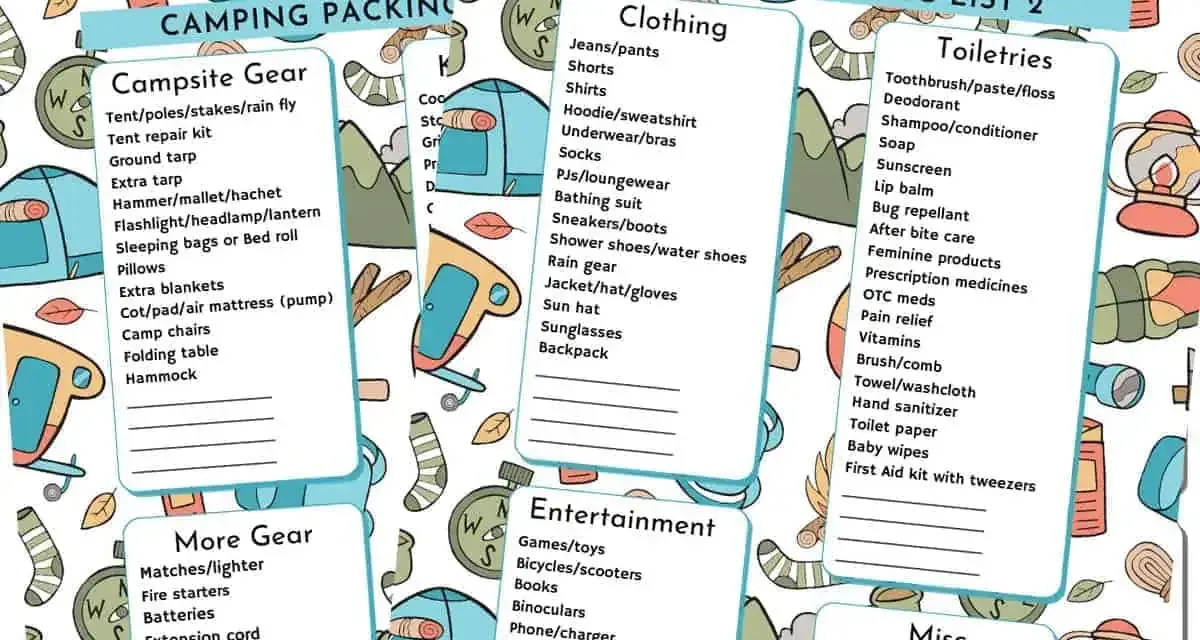
A good free camping checklist is less about collecting gadgets and more about choosing a small set of items that keep you warm, dry, fed, and easy to move at first light. In the UK, that also means thinking about where you are allowed to camp, how wet the ground will be, and whether your kit works for a quiet night away from a formal pitch.
This guide covers the practical kit I would trust, what to leave behind, and the rules that matter before you leave the road. I’ve kept it focused on camping tips for a no-fee overnight rather than a heavy expedition loadout, so you can use it for a simple solo night or a relaxed family adventure.
What matters most for a low-cost night outdoors
- Start with legality. In the UK, “free” does not always mean “allowed anywhere”.
- Protect sleep first. A warm bag and an insulated mat matter more than most extras.
- Keep the kit multifunctional. Every item should earn its weight.
- Pack for wet weather. A dry layer, a headtorch, and a simple shelter change the whole experience.
- Plan for clean exit. Waste, food scraps, and toilet needs should already have a solution.
- Make it easy on yourself. The best cheap camp is usually the one with the least friction.
What a free camp really means in the UK
“Free” usually means no pitch fee, not no rules. In Scotland, the Scottish Outdoor Access Code allows responsible lightweight camping on most unenclosed land, but campers are still expected to keep numbers small, stay for short periods, and leave no trace. In England and Wales, the situation is different: you usually need the landowner’s permission, and local restrictions can override the assumptions people make about quiet countryside.
That distinction matters because the checklist starts before you pack. I ask three questions: is camping allowed here, is there a permit or seasonal restriction, and can I leave without disturbing people, livestock, or fragile ground? If the answer to any of those is unclear, I treat it as a planning problem rather than a place to improvise. Once the location is sorted, the gear list becomes much easier to trim.
The practical takeaway is simple: a legal, low-impact camp is easier to enjoy, easier to repeat, and less likely to create awkward conversations with landowners or other visitors. Once that’s settled, the real work becomes choosing the right kit.
The core kit that earns its place
When I strip a kit back, I sort everything into four jobs: shelter, warmth, light, and hygiene. If an item does not help with one of those jobs, it has to justify its weight some other way. That simple filter saves more money than most people expect, because it stops “just in case” clutter from turning into duplicate gear.
| Item | Why it matters | Cheap or light approach |
|---|---|---|
| Shelter | Keeps wind and rain off you, which is the difference between camping and just being outdoors at night. | Use a tent you already own, borrow one, or buy second-hand before chasing a premium model. |
| Sleeping bag or quilt | Your main defence against a cold, miserable night. | Choose a bag suited to the season rather than the coldest possible one if you only camp in mild weather. |
| Sleeping mat | Insulation from the ground matters as much as the bag above you. | Even a modest foam mat is better than skipping this item entirely. |
| Waterproof layer | UK weather changes fast, and wet layers drain heat quickly. | Bring a reliable shell, not a fashion piece that soaks through after one shower. |
| Headtorch | Hands-free light makes setup, cooking, and toilet trips much safer. | One good torch is enough; bring spare batteries or a full charge. |
| Navigation | Helps you find the site, leave in daylight, and avoid wandering into private or unsafe ground. | Offline maps on your phone plus a paper backup is a sensible minimum. |
| Water containers | You need enough capacity to carry what you will drink and cook with. | One sturdy bottle and one collapsible bottle often cover the basics. |
| Food kit | A meal does more than fill a gap; it keeps morale up and helps you warm up. | One mug, one spoon, one pot, and simple food are enough for most overnight trips. |
| Hygiene and waste kit | Stops a tiny camp from becoming a mess. | Pack a trowel, toilet paper, hand sanitiser, a sealable rubbish bag, and a zip bag for small items. |
| Power and repair | A dead phone or a torn strap turns into a real problem when you are far from facilities. | A small power bank, tape, and a few repair basics go a long way. |
If I am walking in, I prioritise the sleep system and weather protection first. If I am driving close to camp, I may add a small comfort item, but I still keep the spine of the kit the same. That is what makes the setup easy to repeat rather than a one-off experiment.
A one-night packing list that actually works
For a simple overnight, I like to pack by function rather than by room in the house. It makes it obvious when I have forgotten a whole category instead of just a random object.
- Shelter: tent, tarp, or bivvy; pegs; guylines; groundsheet if your setup needs one.
- Sleep: sleeping bag or quilt, insulated mat, and a small pillow or a spare fleece stuffed into a sack.
- Clothing: one dry base layer, warm mid-layer, waterproof jacket, and at least one spare pair of socks.
- Water and food: enough water for the walk in plus the night, a simple dinner, breakfast, and a snack you actually want to eat.
- Light and navigation: headtorch, phone with offline maps, compass if you know how to use it, and a charged power bank.
- Safety: small first-aid kit, blister care, whistle, emergency contact details, and any personal medication.
- Hygiene: toilet paper, trowel, hand sanitiser, and a bag for rubbish and used hygiene items.
- Camp comfort: sit mat, mug, spoon, tea or coffee, and something dry to wear when you stop moving.
For family trips, I add one extra warm layer per child, one extra snack, and a second light source in case a torch is dropped or lost. Children do not need luxury kit, but they do need backup for the things that can turn a pleasant evening into a bad one very quickly.
For an overnight in the UK, I also start with at least 2 litres of water per person if there is no reliable refill point, and I go higher in warm weather. That is one of the few areas where being slightly over-prepared is usually worth the weight.
What I leave behind to stay lean
Free camping gets expensive when the kit starts copying itself. One mug is enough. One pot is enough. One sleeping system is enough. The more I strip the list back, the more obvious it becomes that many items are nice-to-haves, not essentials.
| What to skip | Why I skip it | Better substitute |
|---|---|---|
| Bulky camp chair | Comfortable, but often unnecessary for one night. | A sit mat or a lightweight foam pad. |
| Multiple cooking pots | They add weight and clutter without adding much value. | One small pot, one mug, one spoon. |
| Glass bottles and heavy crockery | They break, rattle, and weigh more than they should. | Reusable plastic, titanium, or aluminium items. |
| Full-size toiletries | They are too large for an overnight and too easy to spill. | Small decants or solid toiletries. |
| Fire pit or BBQ | Bulky, risky, and often unnecessary. | A stove, if local rules allow cooking that way. |
| Extra outfits “just in case” | People usually bring more clothing than they will use. | One dry sleep set and one weather layer that can do multiple jobs. |
| Oversized cool box | Only really makes sense when you are car camping near a base. | Shelf-stable food and a simple meal plan. |
| Too many gadgets | Everything needs charging and creates another failure point. | One phone, one torch, one power bank. |
This is the point where I usually see first-timers overpack for reassurance. The irony is that a lighter, simpler load tends to feel more secure because it is easier to manage, faster to set up, and less likely to fail in bad weather. Less kit can genuinely mean more confidence.
Camp cleanly and quietly so you are not a problem
The Countryside Code still matters even when the campsite is informal. Respect for people, livestock, and wildlife is not an optional extra; it is part of making sure these places stay usable for everyone else. I also think this is where a lot of “free camping” fails in practice: the gear may be fine, but the behaviour is sloppy.
- Pitch on durable ground. Avoid fragile vegetation, boggy hollows, and places that will be damaged by one wet night.
- Keep the footprint small. The more your camp spreads out, the more obvious and disruptive it becomes.
- Cook with a stove if possible. Open fires can spread fast and leave a lasting mark; I only use them where local guidance clearly allows it and conditions are safe.
- Plan for the toilet before you need it. In Scotland, the Access Code advises camping hygiene such as carrying a trowel, using it well away from water, and keeping the area clean.
- Pack out everything. Food scraps, wipes, bottle tops, tea bags, and tiny bits of foil all count.
- Keep noise low. Quiet camps are easier to tolerate and less likely to bring complaints.
- Manage dogs properly. Keep them under control near livestock and nesting birds, and do not assume open countryside means open rules.
For toilet needs, I follow a simple distance rule: stay at least 30 metres from lochs, rivers, and burns, which is the kind of practical threshold that helps prevent pollution. If you are camping near sensitive land or there are toilets available, I use them rather than improvising.
Those habits are not about being fussy. They are what turn a camp from “I got away with it” into “I could do that again next month.”
The final checks before you step off the road
The last part of the checklist is not gear at all. It is the boring admin that stops a good idea from becoming a stressful one.
- Check the weather twice. I care more about wind and rain timing than the headline temperature.
- Know your exit. If the plan changes at midnight, I want an obvious way out.
- Save offline maps. Battery-saving mode is useful, but a downloaded map is better.
- Tell someone where you are going. A simple area, route, and return time is enough.
- Confirm parking and access. A perfect sleep system does not help if the car ends up somewhere it should not be.
- Test the shelter at home. The first time you learn how poles, pegs, and zips work should not be in the rain.
- Carry a small backup. A spare lighter, a second charging cable, or a basic repair patch can save the night.
If it is your first time, choose a place with a simple approach, a clear retreat route, and no pressure to make the trip feel dramatic. That one choice lowers risk more than any expensive upgrade. Good planning is quiet, and that is usually what you want.
The leanest kit is the one you can trust at 2 a.m.
My rule is simple: do not compromise on shelter, insulation, light, or the ability to clean up after yourself. Everything else is comfort. A lean kit keeps costs down, but it also makes setup faster and mistakes less likely, which matters more than people think on a damp UK evening.
- Keep the system small enough to carry without resentment.
- Choose items that do more than one job.
- Practice once at home before depending on the kit outdoors.
That is the difference between a cheap night out and a good one: the first is bare bones, the second is prepared. If the list feels short, that is usually a sign it is working.
