
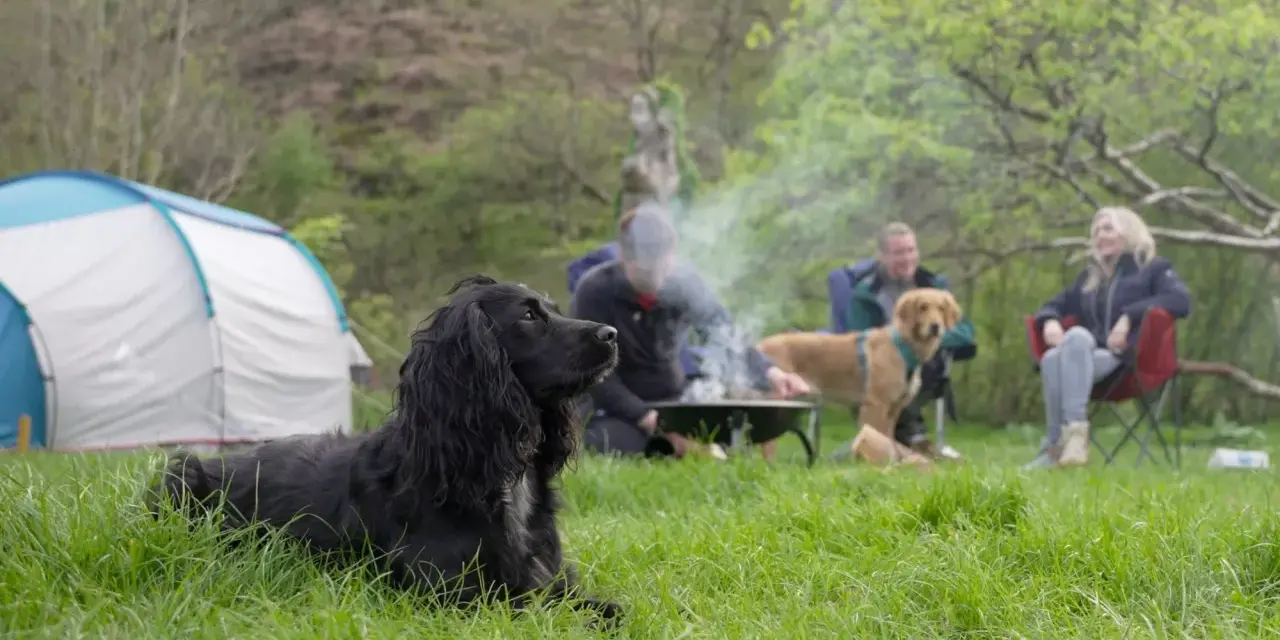
Dog camping works best when the trip feels calm from the start: the right site, a sensible kit, and a routine your dog already understands. I focus on the details that matter most in the UK, where wet grass, livestock, shared spaces and changeable weather can turn a fun weekend into a stressful one if you are not prepared. The good news is that a few practical habits make a much bigger difference than expensive gear.
The essentials at a glance
- Choose a campsite with clear pet rules, especially around leads, livestock and shared spaces.
- Check your dog’s ID, recall and comfort with tents, car travel and new noises before you leave.
- Pack for dryness, visibility and rest, not just food and bowls.
- Keep the campsite routine predictable so your dog knows where to sleep, drink and settle.
- Prepare for rain, cold and hot ground, because British weather can change the whole trip.
Choose a site that works for dogs, not just for people
The easiest trips start with a campsite that actually suits a dog’s needs. I look beyond the pitch photo and check the practical rules first: are dogs allowed on all pitches, must they stay on a lead, and are there limits on the number of dogs per booking? If those answers are vague, I treat that as a warning sign rather than a small detail.
Blue Cross reminds owners that many UK campsites sit near farmland, so livestock and public footpaths matter as much as the pitch itself. That means I want clear lead rules, sensible access to walks, and enough space that my dog is not constantly squeezed past other tents, barbecue smoke or excited children.
- Ask about lead rules before booking, not after arrival.
- Check the surroundings for livestock, roads, lakes or busy footpaths.
- Choose a quieter pitch if your dog is noise-sensitive or easily overstimulated.
- Look for practical extras like water taps, dog-wash areas and shaded spots.
- Confirm the accommodation type if you are not in a tent, because pods and glamping units often have stricter rules.
If the site feels designed for a relaxed stay rather than a crowded weekend, the rest gets easier. Once that choice is made, the next step is getting your dog ready for the change in routine.
Get your dog ready before the first night
I would never assume that a dog who is fine at home will automatically settle in a tent or caravan. New smells, thin walls, unfamiliar sounds and a different sleeping setup can be enough to unsettle even a confident dog. The smartest preparation is short and boring: a few practice car rides, a tent or crate at home, and a couple of nights where your dog learns that the bed, blanket or mat is a familiar place to rest.
GOV.UK says all dogs in the UK must be microchipped and registered by eight weeks old, but I still check the chip details and collar tag before every trip. If your phone number is old, the dog is one step away from becoming hard to identify if they slip a collar or bolt through a gate.
I also like to rehearse the behaviours that matter most on site. A strong recall, a reliable “leave it” and a calm “settle” cue are worth more than fancy accessories. If your dog is anxious, young, elderly or still learning manners, keep the first trip short and close to home. A one-night test is a far better idea than a full week in a new environment.
Health matters too. Make sure flea and tick protection is current, nails are trimmed enough for better footing, and any medication is packed in its original container. From there, the trip becomes much simpler if the kit is organised properly.

Pack for comfort, not just survival
For a typical UK weekend, I think in terms of comfort, visibility and backup. If you need to buy most of the basics, a solid dog kit usually costs around £60 to £120; if you already own a good harness, bed and bowls, topping up may be much cheaper. The point is not to overbuy. It is to avoid the classic mistake of bringing food and forgetting the things that keep a dog dry, calm and easy to manage.
| Item | Why I pack it | Typical UK price |
|---|---|---|
| Secure harness | Better control than a collar alone, especially if your dog pulls when excited. | £20-45 |
| Lead and backup lead | One can get muddy, dropped or damaged, and a spare saves the day. | £10-25 |
| Collapsible bowl | Light, easy to clean and useful on walks as well as at camp. | £5-15 |
| Fresh food and treats | Sticking to familiar food reduces the chance of stomach upset. | Varies by size |
| Dog bed or foam mat | Keeps your dog off cold, damp ground and helps them settle faster. | £25-60 |
| Microfibre towel | Drying muddy paws before they enter the tent makes a huge difference. | £5-12 |
| LED collar or clip light | Useful when it is dark, foggy or you need a quick toilet break before bed. | £8-20 |
| Dog first-aid basics | Tweezers, saline wipes and a few bandages help with small issues. | £5-15 |
| Dog coat or rain jacket | Helpful for short-haired, older or very small dogs in cold, wet weather. | £15-35 |
I keep all of it in one separate bag so I am not hunting for a bowl while a wet dog waits at the door of the tent. A long line can also be useful, but I treat it as supervised training gear, not a licence to let the dog wander. That distinction matters more than most people think, which leads straight into how camp life should actually run.
Keep the campsite calm and predictable
The best camping routine for a dog is boring in the right way. I arrive, give the dog a toilet break, offer water, set up the sleeping area, and then keep the first hour quiet. That order helps the dog understand that the campsite is not a place to explode with excitement every time someone zips a bag or opens a car door.
During the day, I keep food, rubbish and cooking smells out of reach. Many dogs are more tempted by scraps than by strangers, and once one campsite snack turns into a habit, it is hard to undo. A short lead near the tent and cooking area is usually easier than trying to correct behaviour after the dog has already rehearsed the wrong thing.
- Use a familiar blanket or mat so the sleeping spot feels like home.
- Give water often, especially after travel or longer walks.
- Keep meals on a routine if your dog has a sensitive stomach.
- Clean paws before bed so mud does not become a sleeping problem.
- Watch the dog’s energy; tired and overstimulated are not the same thing.
I would not leave a nervous dog alone in a tent and hope they “get used to it”. That usually creates more barking, pacing or scratching, not less. A predictable routine does more for peace at camp than any amount of wishing.
Plan for rain, cold and summer heat without overpacking
British weather is the real test. A dog that is comfortable on a dry afternoon can struggle once the ground is wet, the wind picks up or the tent becomes stuffy after breakfast. I try to solve those problems with small, sensible choices rather than heavy gear. A dry sleeping surface, a towel that actually absorbs water, and a bit of shade go further than people expect.
For cold or damp nights, an insulated mat is worth more than a second blanket because it stops the ground from draining body heat. For hot weather, I think about airflow, shade and timing: longer walks early, quiet rest in the middle of the day, and plenty of fresh water. I also use a simple hand test on hot surfaces; if I would not want to put my hand on the ground for long, I do not want my dog crossing it for extended stretches either.
Rain needs a slightly different response. I pack extra towels, dry the dog before they enter the tent, and avoid letting wet kit pile up in the sleeping area. If your dog hates being soaked, a lightweight coat can help, but it is not a miracle fix. The real solution is keeping the dog warm, dry and moving at a sensible pace.
Once weather is under control, the remaining problems are usually caused by avoidable mistakes rather than bad luck.
Avoid the mistakes that cause most bad nights
Most rough camping experiences with dogs come from a handful of predictable errors. The good news is that they are easy to avoid once you know what they look like. I see the same issues again and again: a dog that has not practised settling, a campsite booked without checking lead rules, and a kit that looks complete until the first wet evening exposes what is missing.
- Assuming a friendly dog will also be calm in a new setting.
- Forgetting to check the microchip, ID tag and contact number before departure.
- Changing food too quickly and then dealing with an upset stomach in a tent.
- Leaving towels, shoes or food where the dog can raid them.
- Expecting off-lead freedom on a site that clearly requires leads.
- Ignoring livestock, wildlife or busy footpaths near the campsite.
- Skipping a torch or LED light and then trying to manage toilet breaks in the dark.
The pattern is simple: the smaller the oversight, the bigger the annoyance once you are already on site. A little planning keeps those annoyances from becoming the main event.
What I would do on a first weekend away with a dog
For a first trip, I would keep everything modest. One night is enough to learn whether the dog settles, how wet the pitch gets, whether the lead routine works and whether the sleeping setup is comfortable. I would choose a quiet site, bring familiar food, keep walks short, and avoid stacking too many new experiences into the same weekend.
If the first night goes well, that is your cue to build gradually rather than making the next trip twice as ambitious. Add one new variable at a time: a busier campsite, a longer walk, or an extra night. That approach gives you a dog that stays comfortable and a trip that actually feels like a break. If I had to reduce the whole subject to one principle, it would be this: keep the setup simple, keep the routine familiar, and let the dog do less, not more, on the first outing.
