
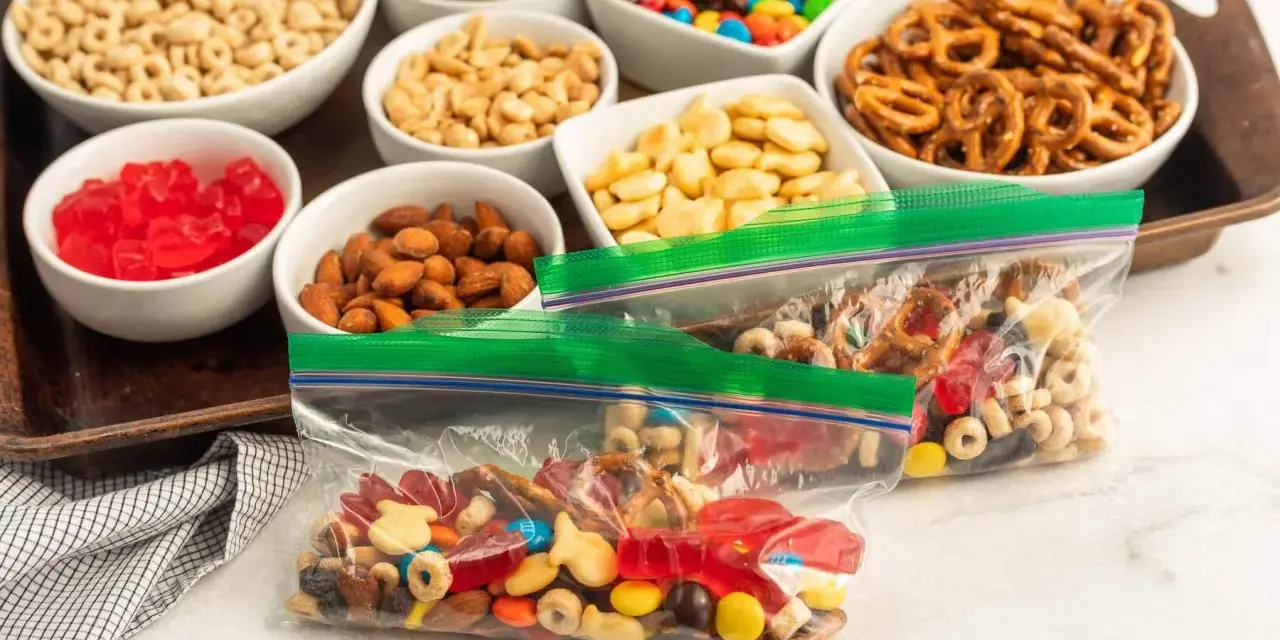
The best trail mix bar ingredients are the ones that travel well, stay satisfying, and do not fall apart when they sit in a rucksack or glove box for a few hours. For camping, I look for a balance of oats, nuts, seeds, dried fruit, and a binder that keeps the bar tidy without making it heavy or overly sweet. This guide breaks down the ingredient groups, the ratios that work, and the swaps I would actually use for camp cooking in the UK.
Key ingredients that make camp bars hold together
- Use oats or another grain base for structure and bulk.
- Pair nuts and seeds for crunch, protein, and steady energy.
- Add dried fruit for chew and a bit of natural sweetness.
- Choose a sticky binder such as honey, golden syrup, nut butter, or seed butter.
- Keep melt-prone add-ins modest if the bars will sit in warm weather.
- Think about who will eat them before you choose the flavour profile.
Build the bars from five ingredient groups
When I make camp-friendly snack bars, I think in layers rather than in a single “recipe.” The structure comes from the dry base, the crunch comes from nuts and seeds, the chew comes from fruit, and the binder does the hard work of locking everything together. That is why the most reliable bars are simple at the core and only lightly decorated at the edges.
| Ingredient group | What it does | Best camp-friendly choices | What I limit |
|---|---|---|---|
| Base | Gives the bar body and prevents it from becoming too dense | Rolled oats, porridge oats, crisp rice, wholegrain flakes, small pretzel pieces | Too much fine flour or very powdery cereal |
| Nuts | Adds protein, fats, crunch, and staying power | Almonds, cashews, peanuts, hazelnuts, pecans | Huge chunks that make the bar fragile |
| Seeds | Rounds out the texture and adds smaller, more even crunch | Pumpkin seeds, sunflower seeds, sesame, hemp seeds | Seeds that go stale quickly if poorly stored |
| Dried fruit | Gives chew, sweetness, and a softer bite | Sultanas, raisins, cranberries, chopped apricots, apple pieces | Fresh fruit or anything with a lot of moisture |
| Binder | Holds the whole bar together | Honey, golden syrup, maple syrup, peanut butter, almond butter, sunflower seed butter | Too little binder, or a binder that sets too hard |
That table is the real starting point. Once the five groups are in place, the next question is not flavour but survival: will the bar still behave after a warm drive, a damp morning, or a few hours in the top of a daypack?
Choose ingredients that survive a campsite
For camping, I am stricter about texture than I am about trends. A bar can look great in a kitchen and still be annoying outdoors if it melts, crumbles, or turns sticky in the wrong weather. In practice, that means choosing ingredients that are sturdy at room temperature and avoiding anything that needs careful chilling to stay presentable.
- Use whole oats rather than very fine crumbs. They give the bars a stronger internal structure.
- Prefer dried fruit over fresh fruit. Fresh fruit adds water, and water is the enemy of shelf life.
- Choose nuts that keep their crunch. Almonds, cashews, and peanuts are reliable; delicate toppings are not.
- Be cautious with chocolate in warm weather. A small amount is fine, but large chunks soften quickly in a hot car or tent.
- Salt matters more than people expect. A little salt keeps the sweetness from becoming flat, especially in a long day outdoors.
If I want a bar that feels more like a British flapjack, I reach for golden syrup and sultanas. If I want something lighter and less sweet, I lean on nut butter, seeds, and a smaller amount of fruit. That choice leads naturally into the part most readers really want: how much of each ingredient to use.

A practical ingredient formula for 10 to 12 bars
I measure these bars by weight because cups can vary a lot once the nuts are chopped and the fruit is sticky. This is a dependable starting point for a 20 cm square tin and gives you a tray that slices into 10 to 12 bars, depending on how generous you are with the knife.
| Ingredient | Amount | Why I use it |
|---|---|---|
| Rolled oats | 150 g | Main structure and bulk |
| Mixed nuts, roughly chopped | 100 g | Crunch and lasting energy |
| Seeds | 40 g | Smaller crunch and extra richness |
| Dried fruit | 60 g | Chew and natural sweetness |
| Nut butter or seed butter | 120 g | Sticky binder and flavour base |
| Honey or golden syrup | 80 g | Helps the bars set and keeps them cohesive |
| Salt | 1/2 tsp | Stops the flavour from tasting one-dimensional |
| Optional extras | 25 to 30 g | Dark chocolate, coconut flakes, cocoa nibs, or crisp rice for texture |
My rough rule is simple: keep the dry mix around three parts to one part binder by volume, then adjust from there. If you want a firmer bar for a hike, press the mixture harder and add a little more oats; if you want a softer campsite snack, let the binder run slightly higher. Once that base formula is stable, the fun part is choosing a flavour direction.
Mix-and-match combinations that work for families and hikes
Not every bar needs to taste the same. For family camping, I like combinations that are easy to understand, easy to eat, and not so sweet that they feel like dessert at breakfast. The trick is to build around one clear flavour idea instead of throwing in every snack cupboard ingredient at once.
| Style | Ingredients that fit | Why it works outdoors |
|---|---|---|
| Classic sweet-salty | Oats, almonds, pumpkin seeds, cranberries, honey, a few dark chocolate chips | Balanced, familiar, and easy to pack for all ages |
| Fruity breakfast bar | Oats, cashews, sunflower seeds, sultanas, chopped apricots, maple syrup | Feels lighter and pairs well with tea or coffee at the campsite |
| Nut-free school-safe version | Oats, sunflower seeds, pumpkin seeds, raisins, sunflower seed butter, golden syrup | Useful when you need a safer option for mixed groups |
| Savoury-leaning trail bar | Oats, sesame, sunflower seeds, a little pretzel, tahini, a pinch of smoked paprika | Better for people who want a snack, not a sweet treat |
| High-energy walking bar | Oats, peanuts, hazelnuts, raisins, peanut butter, honey, salt | Dense enough to carry well on long walks or ferry days |
Those combinations are useful because they solve a real campsite problem: one bar has to suit different appetites without needing refrigeration or complicated prep. The same idea matters again when allergies or dietary preferences enter the picture, because a bar that is good on paper is not good if half the group cannot eat it.
Adapt the mix for allergies and different diets
This is where a lot of home recipes become too casual. At camp, you rarely want a bar that only works for one person, so I try to build in flexibility from the start. The best version is the one that still tastes good after you remove a major ingredient group.
- For nut-free bars: swap nuts for sunflower seeds, pumpkin seeds, sesame, or puffed rice, and use sunflower seed butter instead of peanut or almond butter.
- For vegan bars: use maple syrup or brown rice syrup rather than honey, and check that any chocolate is dairy-free.
- For gluten-free bars: choose certified gluten-free oats and avoid regular pretzel pieces or malted cereals.
- For lower-sugar bars: cut back on dried fruit a little, add more seeds, and lean on salt and spice for flavour.
- For a richer bar: increase the nut butter slightly and add more nuts or coconut, but keep the extra weight in check if you are carrying them all day.
If I want the bars to feel more British, I often use porridge oats, sultanas, mixed seeds, and golden syrup. That gives you a flavour profile close to a sturdy flapjack, but with enough variation to feel more like a proper trail snack. After the swaps come the mistakes, and those are what usually decide whether a tray slices neatly or turns into crumbs.
Avoid the mistakes that make bars crumble or turn sticky
Most bad snack bars fail for boring reasons. They are either too dry, too soft, or cut before they have settled. I do not see that as a recipe problem so much as a ratio problem, which is good news because ratios are easy to fix once you know what went wrong.
| Mistake | What happens | Better fix |
|---|---|---|
| Too much dry mix | The bars fall apart as soon as you lift them | Add more binder or press the mixture more firmly into the tin |
| Only using large pieces | The texture feels uneven and the bars break around the bigger chunks | Chop part of the nuts and fruit so the mix locks together better |
| Too much chocolate or soft candy | The bars turn messy in warm weather | Keep melty add-ins small or leave them out for summer trips |
| Cutting too early | Edges squish and the bars look ragged | Let the tray cool fully before slicing, then chill briefly if needed |
| Skipping salt | The flavour tastes flat even if the sweetness is right | Add a small pinch more salt and taste the mix before pressing it down |
What I would pack for a family weekend away
For a family camping trip, I like a bar that is predictable, sturdy, and not too sweet. My default mix is porridge oats, chopped almonds, pumpkin seeds, sultanas, sunflower butter, honey or golden syrup, and a little salt. It is simple enough to make in one bowl, but it still tastes deliberate rather than thrown together.
- Line the tin with parchment so the bars lift out cleanly.
- Separate layers with baking paper if you are stacking them in a container.
- Keep a few bars in a day bag and the rest sealed until needed.
- Cut them smaller for children so the bars are easier to hold and less crumbly.
If I had to choose just one takeaway, it would be this: start with oats, nuts, seeds, dried fruit, and a reliable binder, then adjust the mix for weather, diet, and travel time. That is the difference between a snack that merely exists and one you are happy to pack again on the next trip.
