
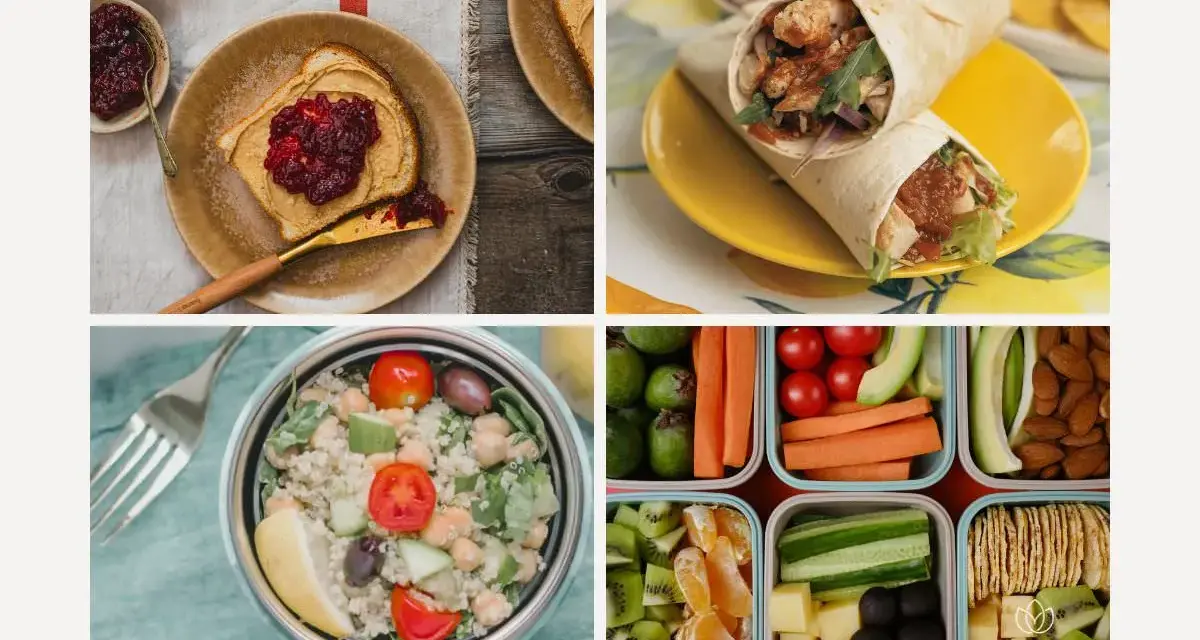
A good hike lunch should be easy to carry, quick to eat, and satisfying enough to keep you moving without feeling heavy. In this guide I’m focusing on practical hiking lunch ideas for UK walks, from simple cold wraps to proper camp-cooked lunches you can make with a stove or flask. I’ll also cover food safety, family-friendly swaps, and the small packing details that stop a decent lunch from turning soggy by midday.
The quickest way to choose a trail lunch that works
- Build around carbs, protein, and a little fat so the meal actually keeps you going.
- Use sturdy formats like wraps, flatbreads, oatcakes, and well-packed sandwiches.
- Keep chilled fillings cold with a cool bag and ice packs, especially in warm weather.
- Choose low-mess food if you are walking with children or stopping only briefly.
- Use a flask or stove lunch when cold weather or a long break makes the extra weight worthwhile.
What makes a good lunch on the trail
When I plan lunch for a walk, I try to keep it simple: one main item that gives energy, one ingredient that makes it feel like a real meal, and one format that will still look appealing after an hour in a rucksack. That usually means carbs for fuel, protein for staying power, and just enough fat to make the food satisfying.
That balance matters more than people think. A lunch that is all bread and jam may be fine for a short stroll, but on a longer hill day it can leave you hungry again too quickly. I want something I can eat with cold fingers, from a bench, a stone wall, or the boot of the car, without a pile of wrappers or a lot of fiddly assembly.
- Best carb bases: wraps, pittas, granary bread, oatcakes, couscous, pasta salad, rice-based pots.
- Best proteins: cheese, hummus, tuna, chicken, eggs, beans, chickpeas, nut or seed butter.
- Best texture helpers: apple slices, cucumber, grated carrot, pickles, roasted peppers, salad leaves.
If the route is steep, long, or cold, I also plan for one extra snack beyond lunch. That keeps me from overeating at the stop and then running empty an hour later, which is where a lot of trail hunger problems start. With the basics covered, it becomes much easier to choose the right format for the day.

My go-to trail lunches when I want real food, not just snacks
The best packed lunches are usually the ones that travel flat, stay tidy, and still taste good when they are eaten cold. I lean on these combinations again and again because they are practical first and pleasant second, which is exactly the right order for the trail.
| Lunch idea | Why it works | Best for |
|---|---|---|
| Cheddar, chutney, and apple sandwich | Sharp cheese and sweet chutney give it real flavour, while apple adds crunch without much fuss. | UK day walks, autumn rambles, and anyone who wants a classic lunch that feels substantial. |
| Hummus, carrot, cucumber, and feta wrap | It is bright, filling, and easy to eat one-handed if you keep the wetter ingredients under control. | Vegetarian lunches and warmer days when you want something fresh but still satisfying. |
| Peanut butter, banana, and oat wrap | Cheap, compact, and naturally sweet, with enough staying power for a long climb. | Family hikes, fast lunches, and walkers who prefer food that is hard to knock out of shape. |
| Tuna, sweetcorn, and lemon mayo tortilla | Protein-heavy and easy to batch-prepare, as long as it is kept chilled until lunch. | Shorter hikes, cooler weather, or days when you are carrying a cool bag anyway. |
| Cheese, pickle, and oatcakes | No cutlery, no slicing, very little mess, and the oatcakes hold up well in a pack. | Quick stops, windy viewpoints, and people who want lunch to be more like a sturdy snack plate. |
| Couscous, chickpea, and herb salad pot | Light, spoonable, and surprisingly filling when dressed with olive oil, lemon, and salt. | Longer walks, campsite lunches, or days when you want something closer to a meal bowl. |
| Bakery pasty or sausage roll with fruit | It is not fancy, but it is robust, easy to carry, and very forgiving if the walk runs long. | Shorter family outings, coastal walks, and days when convenience matters more than prep. |
If I had to narrow this down to a single rule, it would be this: choose food that still feels appetising after being carried for a while. That is why wraps and oatcakes often outperform delicate bread rolls, and why wetter fillings need a bit of planning. From there, the next question is not what to eat, but how to pack it so it survives the walk.
How I pack food so it survives the hike
The Food Standards Agency’s picnic advice matches the way I pack for walks: chilled fillings go into a cool bag with ice packs, the bag stays closed until I need it, and I keep it out of direct sun whenever I can. That matters most for meat, eggs, dairy, mayo-based fillings, and anything that really should stay cold rather than merely “probably fine”.
- Separate wet and dry ingredients if there is any risk of sogginess.
- Wrap sandwiches tightly or use a rigid lunch box so they do not get crushed.
- Use a cool bag for perishables and keep it shaded.
- Pack toppings separately and add them just before eating if they make bread soft.
- Carry wipes and a small rubbish bag so lunch does not become a mess in your pack.
I also like to think in layers. The driest items sit closest to the base of the lunch box, softer fillings stay in the middle, and anything that leaks gets its own container. That tiny bit of effort saves the whole meal. It also means I can pack lunch the night before without waking up to a collapsed sandwich or a wet paper bag.
For warmer days, I am stricter. If I would not happily leave a filling sitting in the sun on a picnic table, I do not leave it sitting in my pack either. On the other hand, when the weather is cool and the walk is short, a simple sandwich or wrap can be perfectly practical. The real trick is matching the food to the conditions rather than pretending every lunch works everywhere.
When a hot lunch is worth carrying a stove or flask
For most day hikes, I still prefer no-cook food because it is faster and lighter. But on cold, wet, windy days, a hot lunch can completely change the mood of a walk. I think of it as a comfort decision as much as a food decision: sometimes the extra weight of a flask or stove earns its place very quickly.
| Format | What I carry | Best for | Main trade-off |
|---|---|---|---|
| No-cook lunch | Wrap, sandwich, oatcakes, fruit, snacks | Short walks, summer hikes, lightweight packing | Fast and simple, but less comforting in bad weather |
| Thermos lunch | Food flask with soup, stew, dhal, or pasta | Winter walks, family outings, seaside stops | Heavier than cold lunch and needs prep at home |
| Stove lunch | Small burner, pot, fuel, spoon | Campsite lunches, long breaks, multi-day trips | More time, more washing up, more gear |
| Cold-soak meal | Jar or pot with couscous, noodles, or hummus mix | Warm weather and ultralight trips | Convenient, but the texture is not for everyone |
When I do cook at lunch, I keep it basic. Couscous with olive oil, herbs, salt, and chickpeas is hard to beat because it is quick, cheap, and easy to bulk out. Instant noodles can work too, especially if I add spring onion, a little cheese, or a boiled egg packed separately. A flask of thick vegetable soup with a buttered roll is another strong option for cold weather, and it feels more like a proper break than a snack stop.
The point is not to turn a hill walk into a gourmet project. It is to decide whether the day calls for speed or comfort. Once that is clear, the meal choice gets much easier.
Family-friendly swaps that prevent lunchtime complaints
When I’m packing lunch for a family walk, I assume the meal will be opened on a windy bench, eaten in stages, and judged by the least hungry person in the group. That means low mess and familiar flavours matter more than clever combinations. It also means I want every item to be easy to share or divide.
- Use mini wraps or quartered sandwiches instead of large, awkward portions.
- Keep dips separate so children can choose how much they want.
- Choose fruit that travels well, such as apples, satsumas, grapes cut in half, or berries in a rigid tub.
- Offer one familiar backup item like crackers, a flapjack, or a plain cheese sandwich.
- Use nut-free alternatives where needed, such as sunflower seed butter or hummus.
I also like lunchboxes that can become “build your own” meals without any actual assembling in the field. A box with bread, cheese, cucumber sticks, crackers, and fruit gives everyone some control, which usually means less waste. For picky eaters, that matters. So does avoiding sauces that smear over everything the moment the pack starts bouncing around.
If you are buying food from a bakery or cafe before the walk, read the label or ask what is in it, especially if anyone in the group has allergies. On family days out, the safest lunch is often the one that is simple enough to understand at a glance and flexible enough to suit different appetites.
The mistakes that ruin a perfectly good trail lunch
I see the same lunch problems over and over again, and most of them are easy to avoid once you know what to watch for. The biggest mistake is usually not the food itself, but the gap between the food and the conditions it has to survive.
- Too much moisture: tomatoes, cucumbers, and soft salads can turn bread to mush if they are packed carelessly.
- Too little protein: a sweet snack-only lunch can leave you hungry again before the route is halfway done.
- Overly fragile bread: soft rolls and thin sliced bread collapse faster than wraps, pittas, or oatcakes.
- Not enough food: a hard walk often needs lunch plus another snack, not lunch by itself.
- Ignoring the weather: chilled fillings need actual chilling, not optimism.
- Too much fuss: if a lunch takes five tools and three containers to eat, I usually stop making it.
The easiest fix is to plan lunch as part of the route, not as an afterthought. A windy clifftop, a shaded woodland stop, and a campsite table all suggest slightly different food. If I am honest, that is where most disappointing hiking lunches go wrong: the meal was fine at home, but it was never really designed for the trail.
The small extras that make lunch worth carrying
Before I leave the car park, I like to check a few tiny details that make the meal feel far more polished than it really is. None of them are glamorous, but they matter once you are tired, hungry, and sitting somewhere cold.
- Water: at least one bottle, and more if the day is warm or steep.
- Napkin or paper towel: useful for oily fingers, damp benches, and a quick clean-up.
- Spork or small knife: especially handy for cheese, fruit, or a flask meal.
- One sweet backup: a flapjack, biscuit, or chocolate bar can rescue a slow afternoon.
- One salty backup: nuts, crisps, or oatcakes are good when the walk has been more demanding than expected.
- Rubbish bag: wrappers, peel, and napkins should come back out with you.
If I want a walk to feel easy, I pack lunch that I can eat without effort, clean up in seconds, and trust not to fall apart before I sit down. That is the standard I use for every hike, whether it is a short family outing or a full day in the hills, and it is usually enough to turn a basic meal into something that genuinely improves the day.
