
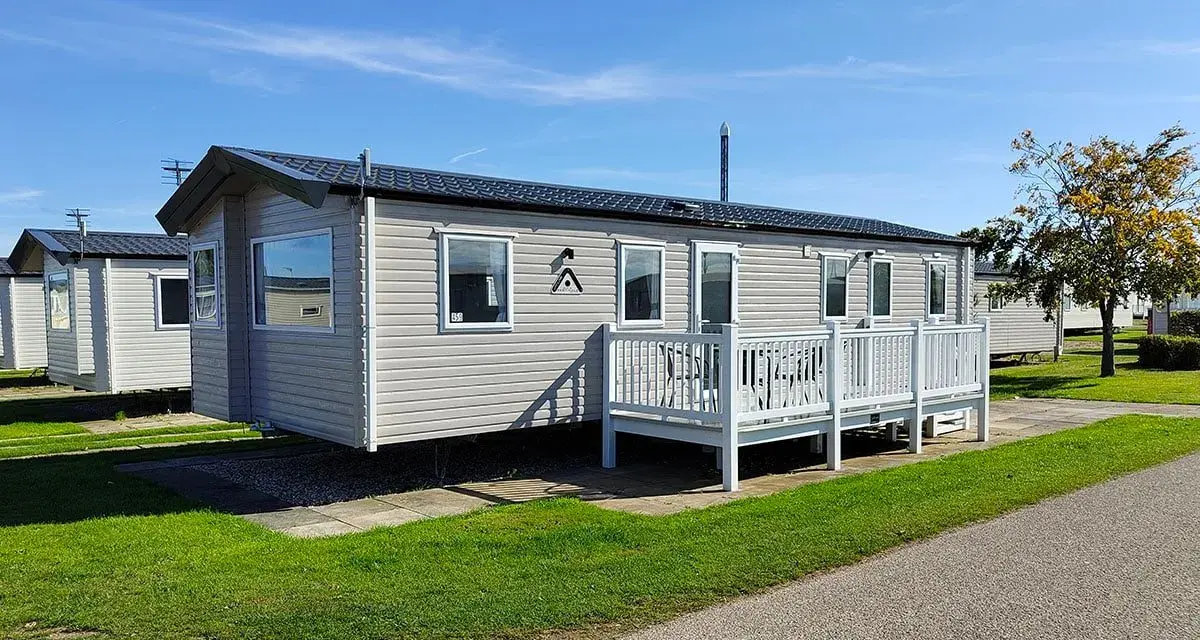
A location vacances mobil home is best understood as a self-catering base inside a holiday park: you get bedrooms, a kitchen, a living space, and the relaxed rhythm of a campsite without giving up a proper bed or indoor heating. For UK holidays, that mix works especially well for coast breaks, family stays, and walking trips where the destination matters as much as the accommodation. In this guide, I focus on the destinations that suit this kind of stay, the features worth paying for, and the booking details that usually decide whether the trip feels easy or awkward.
The best mobile-home break is the one that fits your trip style, not just the cheapest rate
- Coastal parks are the strongest choice for beach holidays, but they also sell out fastest in peak weeks.
- Inland destinations such as the Lake District or North Wales work better when walking, scenery, or quieter evenings matter more.
- The real value comes from the unit layout, on-site facilities, and extra fees, not the headline nightly price alone.
- In 2026, some UK operators still advertise deposits around £25 and selected breaks from about £89, but only on specific dates and unit types.
- For families, dog owners, and multi-generational groups, the park rules matter almost as much as the region.
Where a mobile-home stay works best across the UK
| Destination | Why it works | What to watch |
|---|---|---|
| Cornwall and Devon | Strong beach holidays, surf, family attractions, and plenty of holiday parks close to the coast. | High demand in school holidays, traffic on narrow roads, and premium pricing for the best units. |
| North Wales | Useful if you want coast and mountains in the same trip, with good options for active families. | Weather can change quickly, and some parks are more car-dependent than the photos suggest. |
| Lake District | Best for walking, lake views, and a slower pace when you want the accommodation to act as a calm base. | Not ideal if your idea of a holiday is a classic beach week, and roads can feel busy in high season. |
| Norfolk and Suffolk | Wide beaches, cycling routes, and a quieter East Anglian feel that suits families and couples well. | Some parts feel remote, and the evening entertainment scene is smaller than in the big resort areas. |
| Yorkshire Coast and Northumberland | Good value, big skies, long coastal walks, and a strong sense of space that suits low-key breaks. | Water is cooler, the weather is less predictable, and not every park has premium extras. |
| Pembrokeshire and the Gower | Excellent for dramatic coastline, outdoor days, and holiday parks that feel close to nature. | Popular parks book early, and the best seaview units are usually the first to disappear. |
If I were choosing purely on trip style, I would pick the coast for a short family break, the lakes or North Wales for an active week, and the east coast when I want better space for the money. That is the destination layer; the park layer matters just as much, because a great region can still feel frustrating if the site layout is wrong for your trip.
What a mobile-home holiday really gives you
In the UK, you will often see this stay marketed as a caravan holiday, a holiday home, or a mobile home on a holiday park. The label changes, but the promise is similar: a private, self-catering unit with enough space for a couple or family to settle in properly, plus shared facilities such as a pool, play area, shop, or evening entertainment.
What I like about it is the balance. You are not tied to restaurant timetables, and you are not camping in the strict sense unless you want to be; at the same time, you still feel close to the coast, countryside, or woodland around the park. That makes it a strong option for travellers who want more comfort than a tent and more space than a hotel room, especially when the weather is uncertain or the trip includes children. Once that base is clear, the next question is which part of the UK gives you the kind of trip you actually want.
How I choose the right park for the kind of trip you want
For families
I look for an indoor pool, a simple playground, a short walk to the beach, and enough bedrooms to avoid sofa-bed compromises. Children’s clubs and evening entertainment can help, but only when they fit your family rhythm; otherwise they are just extra noise. For young children, I would usually rank a wet-weather pool above a glossy brochure promise.
For couples
Quieter parks with a good view, a compact but sensible kitchen, and easy access to a pub, town, or coastal path usually beat a bigger resort with more going on. Couples often get more value from location and calm than from a huge entertainment schedule. If you are planning a walking break, I would also pay attention to how soon you can get onto the route you actually want to walk.
For walkers and cyclists
Look for secure storage, simple parking, and access to trails rather than just a scenic postcode. A park that is ten minutes closer to the route you want can be better value than one that sits directly by the sea but traps you in traffic every day. I also check whether there is proper drying space, because wet boots and damp jackets matter more than decorative furniture after a long day outside.
For dog-friendly stays
A pet-friendly label is not enough on its own. I check whether dogs are allowed in every unit type or only selected ones, whether they can enter indoor spaces, and whether there are easy walks without long drives. A good dog-friendly park makes the logistics feel invisible; a weak one makes every simple outing feel like a negotiation.
Once the park style is clear, the booking page becomes much easier to read, because you know which details are essentials and which are just decoration.
What the booking page should tell you before you pay
| Check | Why it matters | My rule of thumb |
|---|---|---|
| Sleeping layout | A good layout matters more than extra square metres if you are sharing with children or another couple. | Make sure the unit sleeps everyone properly without relying on a sofa bed unless you are comfortable with that trade-off. |
| Linen and towels | These are often extra or only partly included, especially on budget breaks. | Assume nothing is included until the listing says it clearly. |
| Heating and cooling | UK weather can change fast, and coastal parks often feel cooler at night. | For spring, autumn, or exposed sites, heating matters more than decor. |
| Parking and access | Unloading luggage, food, bikes, and beach gear is far easier when parking is close. | If you travel with children or a lot of kit, close parking is worth paying for. |
| Wi-Fi and signal | Not essential for every trip, but very important if you plan to work remotely or keep children entertained on rainy days. | Check whether the park promises Wi-Fi or simply says signal may vary. |
| Deposit and damage policy | This is where surprise charges tend to appear after checkout. | Know the amount, how it is taken, and when it is released. |
| Arrival and departure times | A tight window can remove half a day from a short break. | Compare times before you compare prices. |
| Facility opening dates | Pools, restaurants, and entertainment programmes may not run at full pace outside peak season. | If the facilities matter, verify they are open for your dates, not just listed on the site. |
I read a booking page as much for what it leaves out as for what it promises. If the layout, fees, or facility dates are vague, I treat that as a sign to keep looking rather than a detail I can safely ignore. The price only becomes meaningful once those basics are clear.
Where the value really comes from in 2026
In 2026, some major UK operators still lead with low deposits around £25 and selected short breaks from about £89, but those figures usually sit on specific dates, basic units, and quieter periods. That makes them useful as a starting point, not as a guarantee of what your trip will cost. Once you move into school holidays, sea-view units, bigger layouts, or parks with strong leisure facilities, the total can rise quickly.
When paying more is worth it
I am usually willing to spend more when the upgrade changes the holiday rather than just the photo. That means an extra bedroom instead of a sofa bed, a better shower if the trip is long, an indoor pool if the weather is unpredictable, or a quieter pitch if I want to sleep well. Those are the upgrades that reduce friction. A fancier sofa or a slightly better view rarely matters for long.
Read Also: Pyrenean Haute Route Camping - Master the HRP Bivouac!
When the cheapest option is good enough
The cheapest unit can be perfectly fine for a short break when you plan to spend most of the day outside, especially on a warm coastal trip. It is also easier to justify if you are booking midweek or outside school holidays. In that case, I would rather keep the base price low and spend the difference on food, attraction tickets, or a better location near the route or beach I actually want to use.
For me, the cleanest way to judge value is to compare the total stay cost, not the headline nightly rate. Once you add the extras that matter to your group, the real winner is usually the one that makes the holiday smoother, not the one that looked cheapest in the search results.The details that make the week feel effortless
If I were booking this kind of trip for myself, I would choose the region first, then the park facilities, then the exact unit. That order stops you from falling for a glossy photo before checking whether the site actually suits your plans.
For a beach week, I would prioritise direct access, parking, and a simple walk to the sand. For a walking holiday, I would care more about storage, heating, and route access than entertainment. For a family break, I would always value indoor space and rainy-day options over the biggest deck or the prettiest brochure image.
That is the real logic behind a good mobile-home holiday: choose the place that removes friction, and the rest of the trip has a much better chance of feeling relaxed, practical, and worth repeating.
