
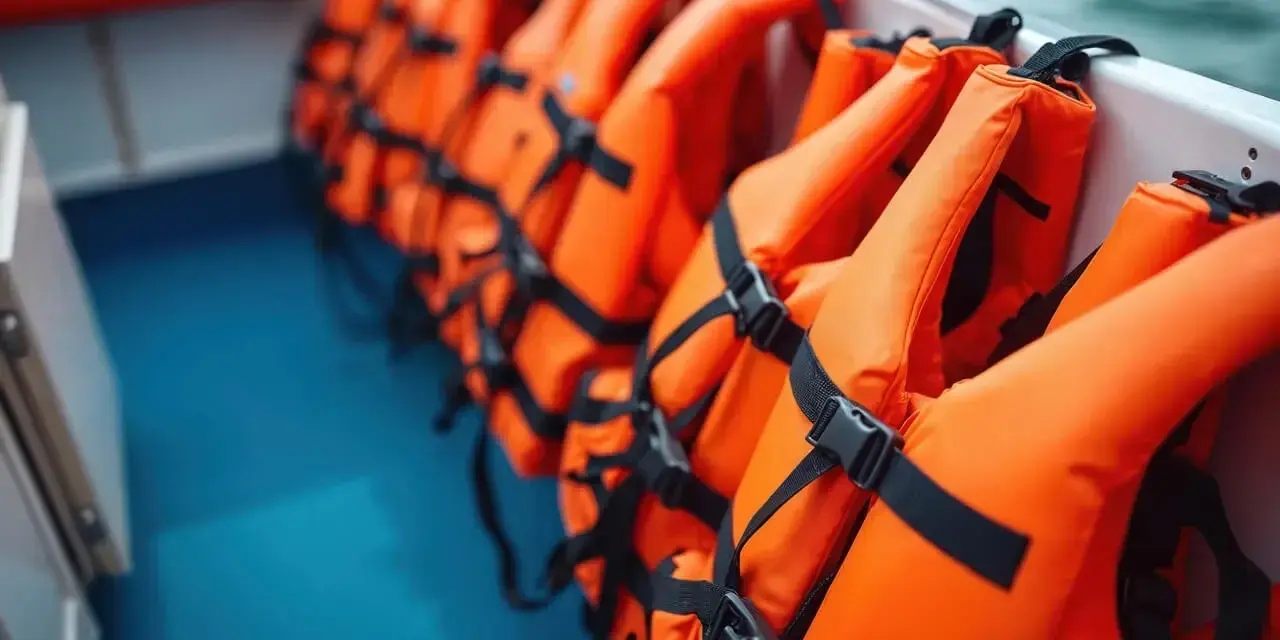
A Type III life jacket sits in the sweet spot for paddling: enough flotation to keep you supported, but cut low enough to let your shoulders and arms work. For kayaks, canoes, and SUPs, that comfort matters because the best PFD is the one you keep on for the whole session, not the one you leave in the hatch. This guide explains what the category means, how it maps to UK labels, which features actually help on the water, and when you need more than a simple buoyancy aid.
The practical takeaway for paddlers
- Type III is a flotation aid for calm water and quick rescue, not a jacket built to keep an unconscious wearer face-up.
- In UK shops, the closest everyday match is usually a 50N buoyancy aid rather than a heavy offshore lifejacket.
- For kayaking and canoeing, cut-away shoulders, a high-cut front, and a snug fit matter more than extra padding.
- If your paddling gets exposed, cold, tidal, or offshore, move up to a higher-buoyancy option.
- Inspect foam, webbing, buckles, and stitching regularly; inflatable models need proper servicing.
What the Type III category really means
In practical terms, Type III gear is made for activities where movement is part of the job: canoeing, kayaking, fishing, waterskiing, and similar sports. It is intended for calm inland water or situations where rescue is likely to be quick, so the design can stay more flexible and less bulky than a full offshore jacket. That comfort is the reason paddlers like it, but it is also the reason I would not treat it as a one-size-fits-all safety solution.
The trade-off is straightforward. A Type III vest gives you flotation, but it is not built to reliably turn an unconscious person onto their back. That is fine on a sheltered lake when you are alert, mobile, and close to shore. It is not fine when the water is cold, the conditions are messy, or help is a long way off. That difference is what drives the choice in the next section.
How the UK equivalent usually reads on the label
UK buyers usually do not shop by the US Type III label. They more often see ISO 12402 ratings, and for paddling the closest everyday match is usually a 50N buoyancy aid. There is no perfect one-to-one translation, but this is the most useful way to read the labels when you are choosing kit for a canal, lake, or gentle river session.
| Label you may see | Typical buoyancy | Best use | Main strength | Main limitation |
|---|---|---|---|---|
| Type III / flotation aid | 70N, or about 15.5 lb | Calm water, fast rescue, active boating | Comfortable enough to wear while paddling | Not designed to keep an unconscious wearer face-up |
| ISO 12402-5 level 50 | 50N | Sheltered waters and watersports where help is close | Light, simple, easy to move in | Less reserve buoyancy than a lifejacket |
| ISO 12402-4 level 100 | 100N | Sheltered and calm waters | More lift without jumping straight to offshore bulk | Still not the best choice for rough or remote water |
| ISO 12402-3 level 150 | 150N | Coastal and offshore use | Designed to support the wearer more decisively in serious conditions | Bulkier and less free-moving for paddling |
For a relaxed paddle on a lake, canal, or quiet river, I usually want the lightest jacket that still fits properly and stays put. Once the route gets more exposed, colder, or less forgiving, I start moving up the buoyancy scale rather than hoping comfort will make up the difference. That leads straight to the features that matter most in a paddling vest.

Which features matter most on the water
When I choose a paddling vest, I look first at how it moves, not how it looks on a rack. The jacket has to let you rotate your torso, reach forward, and paddle for an hour without rubbing your arms raw. If it fights your stroke, you will stop wearing it, and that defeats the point.
- Cut-away shoulders and arms so you can paddle and swim without constant chafing.
- A high-cut front so you can lean forward in the boat or on the board without the vest digging into your stomach.
- Snug side adjustment so the jacket hugs the body instead of floating up around your ears after a capsize.
- Bright colours that are easier to spot from shore, another boat, or a rescue team.
- A clean exterior with few snag points, especially if you paddle around branches, rigging, or busy launch areas.
- Pockets that stay useful instead of getting in the way; one small pocket for a whistle, phone, or rescue tool is usually enough for most paddlers.
Touring kayaks, sea kayaks, and sit-on-tops often benefit from completely cut-away arms because the movement is repetitive and the trip lasts longer. Whitewater jackets usually go bulkier and higher cut at the front because the water is more aggressive and the need for security increases. The right feature set depends on the boat and the water, not on fashion, which is why fit matters next.
How to fit it so it stays where it should
A paddling vest should feel secure before you leave the bank. The easiest test is simple: put it on over the layers you will actually wear, fasten everything, then lift from the shoulders. If the jacket rides up, slides around, or twists easily, the size or adjustment is wrong. I would rather see a slightly boring fit than a roomy one that looks comfortable but shifts the moment you enter the water.
Straps should be tightened with movement in mind. If you are wearing a buoyancy aid, the side adjusters or chest strap need to hold it close enough that it does not creep upward. If you are using an inflatable model, follow the manufacturer’s donning instructions exactly, because the device only works as intended when it sits correctly on your body. For any model that specifies a crotch strap, use it. That is one of the easiest ways to stop a jacket from climbing when the water starts moving.
The most common mistakes are dull but expensive: buying too large, testing the vest only in a shop, loading the pockets with heavy items, and forgetting that winter layers change the fit. If the jacket feels fine only when you stand still, it is not ready for a capsize. A few minutes of fitting now is better than discovering the problem in cold water later.
When to choose something more protective
For sheltered paddling, a buoyancy aid is often the right balance of freedom and security. That changes when the water gets colder, rougher, more tidal, or more remote. In those conditions, I would rather give up a little comfort and move to a jacket with more buoyancy and more self-righting support, especially if there is any chance of prolonged immersion or delayed rescue.
A simple rule helps here. If you are a strong swimmer, the session is close to shore, and rescue is likely to be fast, a Type III-style vest or 50N aid usually makes sense. If you are paddling offshore, crossing exposed water, dealing with rough weather, or wearing bulky clothing that changes how you float, I would step up to a 100N or 150N lifejacket instead. The higher the consequence of a capsize, the less attractive a minimalist jacket becomes.
This is also where family outings deserve honest planning. On a calm holiday lake or canal, comfort helps children and casual paddlers keep their gear on. On a windy day with cold water and a lot of traffic, the safer choice may be the more protective jacket even if it feels less relaxed. The water decides more than the brochure does.
Care, checking, and replacement
Foam buoyancy does not usually fail overnight, but it does age. Over time the foam compresses, the shell gets tired, and buckles or webbing start to show wear. Before every season, I check the outer material, stitching, zips, and fasteners, then I look for hard spots, flattened foam, or anything that feels brittle. If the jacket no longer feels buoyant or the fabric is clearly breaking down, replacement is cheaper than pretending it still has years left in it.
Inflatable and hybrid models need a different habit. Check the cylinder, inflation head, indicators, and oral tube, and service the jacket according to the maker’s schedule. A clean-looking jacket is not automatically a ready jacket. If you have ever left one packed in a damp gear bag for months, you already know why inspection matters.
I also keep paddling kit away from direct sun and rinse it after saltwater use. That does not make it indestructible, but it slows the kind of wear that creeps up on people. In safety gear, boring maintenance is a feature, not a chore.
The launch checklist I would use on a UK paddle
Before I push off from a canal bank, slipway, or beach, I run the same short check. It takes less than a minute and catches most of the avoidable problems.
- Check that the vest matches the water: 50N for sheltered paddling, more buoyancy if the route is exposed or remote.
- Do the shoulder-lift test and tighten every strap over the layers you are actually wearing.
- Make sure the jacket does not block your stroke or rub your arms when you reach forward.
- Look for broken buckles, frayed webbing, compressed foam, or a cylinder that needs attention.
- Use a bright colour or reflective detail if you want to be easier to spot from shore.
- Carry a means of calling for help on longer or colder trips, and tell someone ashore where you are going.
If you remember only one thing, make it this: choose the jacket you will actually wear, fit it tightly enough that it stays in place, and match it to the water rather than to the label. For most paddlers, that is the difference between kit that looks right and kit that genuinely helps when the weather or the current changes.
